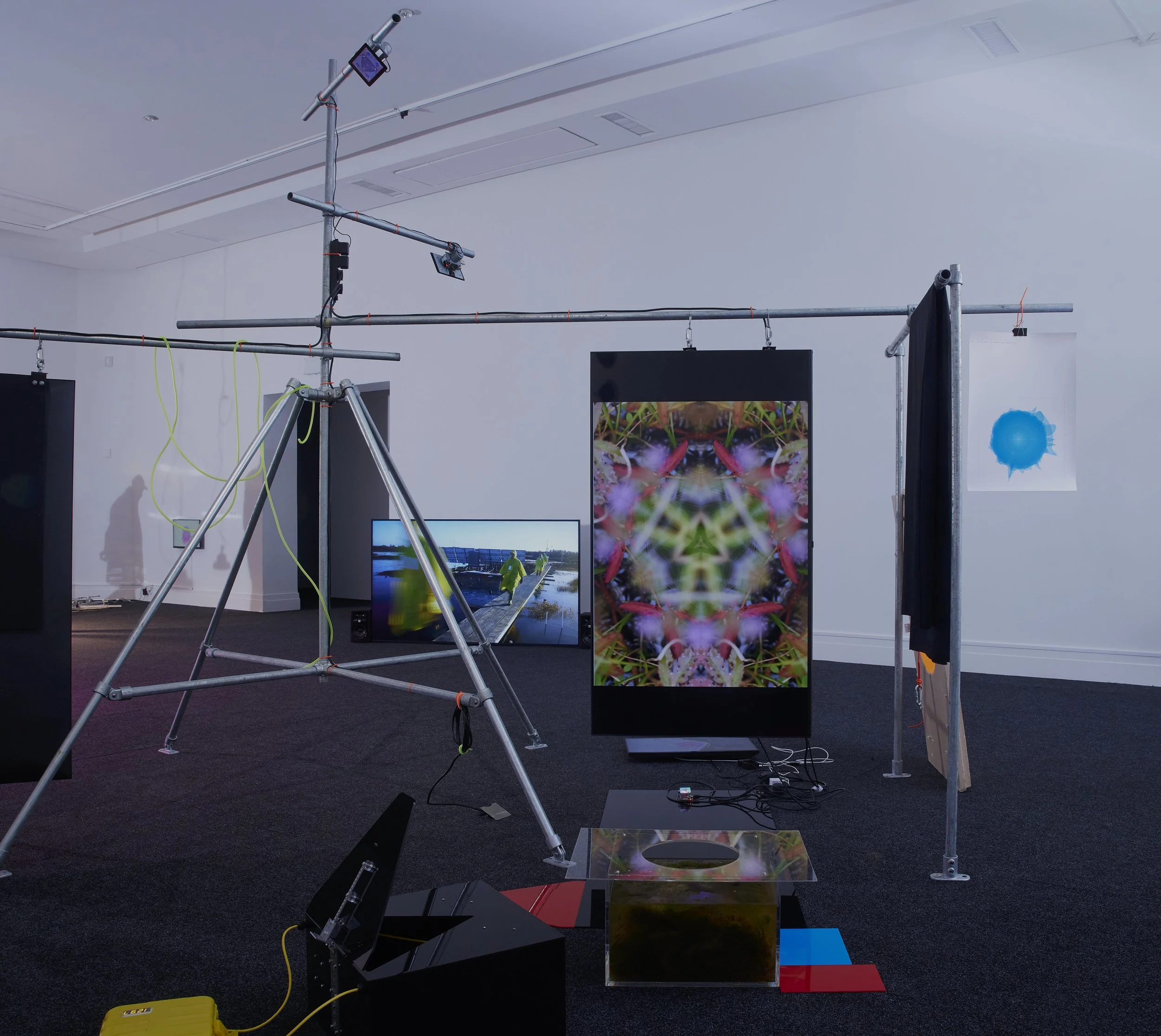
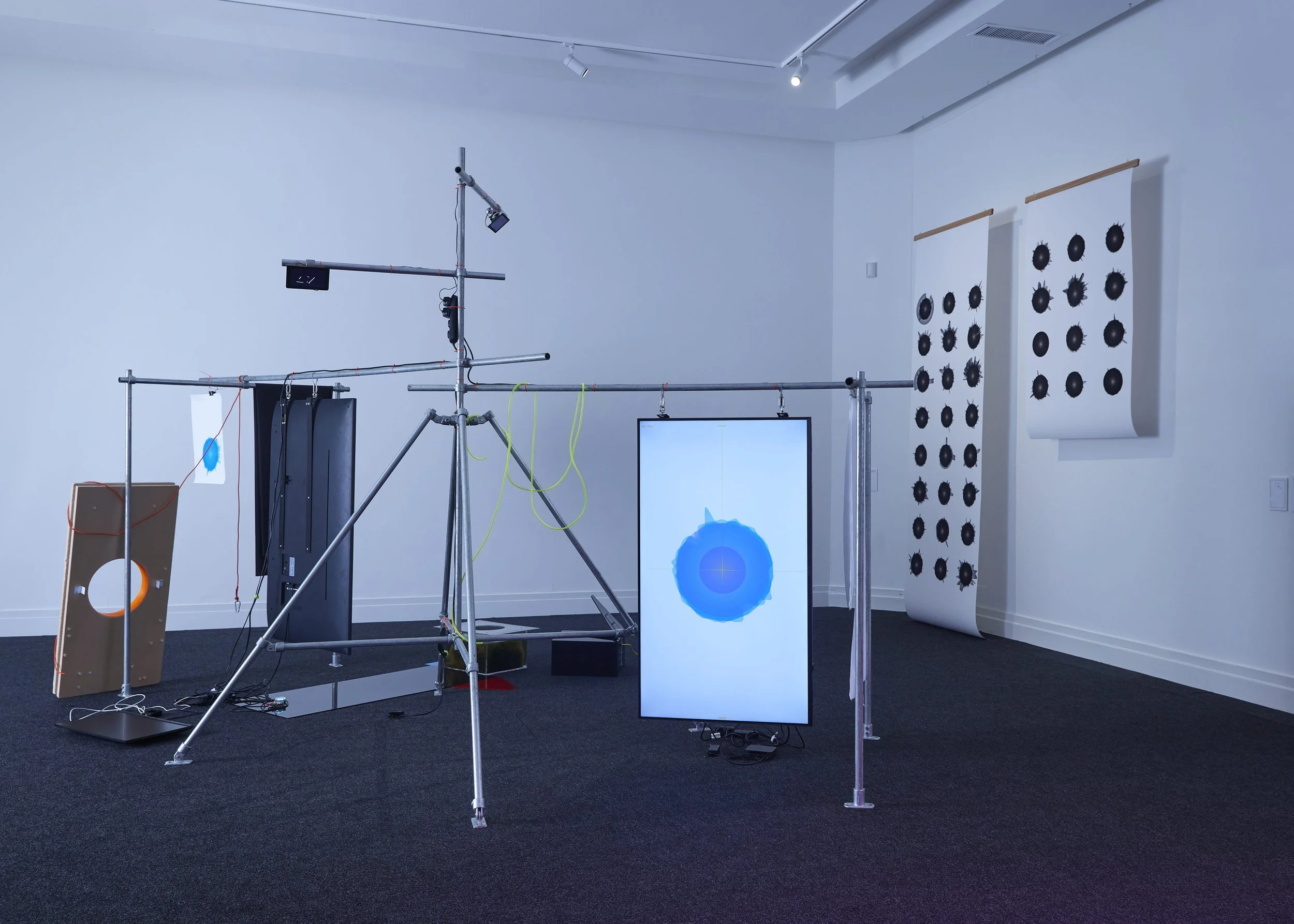
Inhale Exhale – Ecologies That Refuse to Behave, a solo exhibition by artist Fiona Mc Donald, unfolds as a constellation of works where peatlands, sensors, and slow code converge in quiet insurgency. Across the project, Mc Donald hijacks the instruments of climate science—flux towers, CO2 sensors, automated chambers—and redirects them toward ecological intimacy.
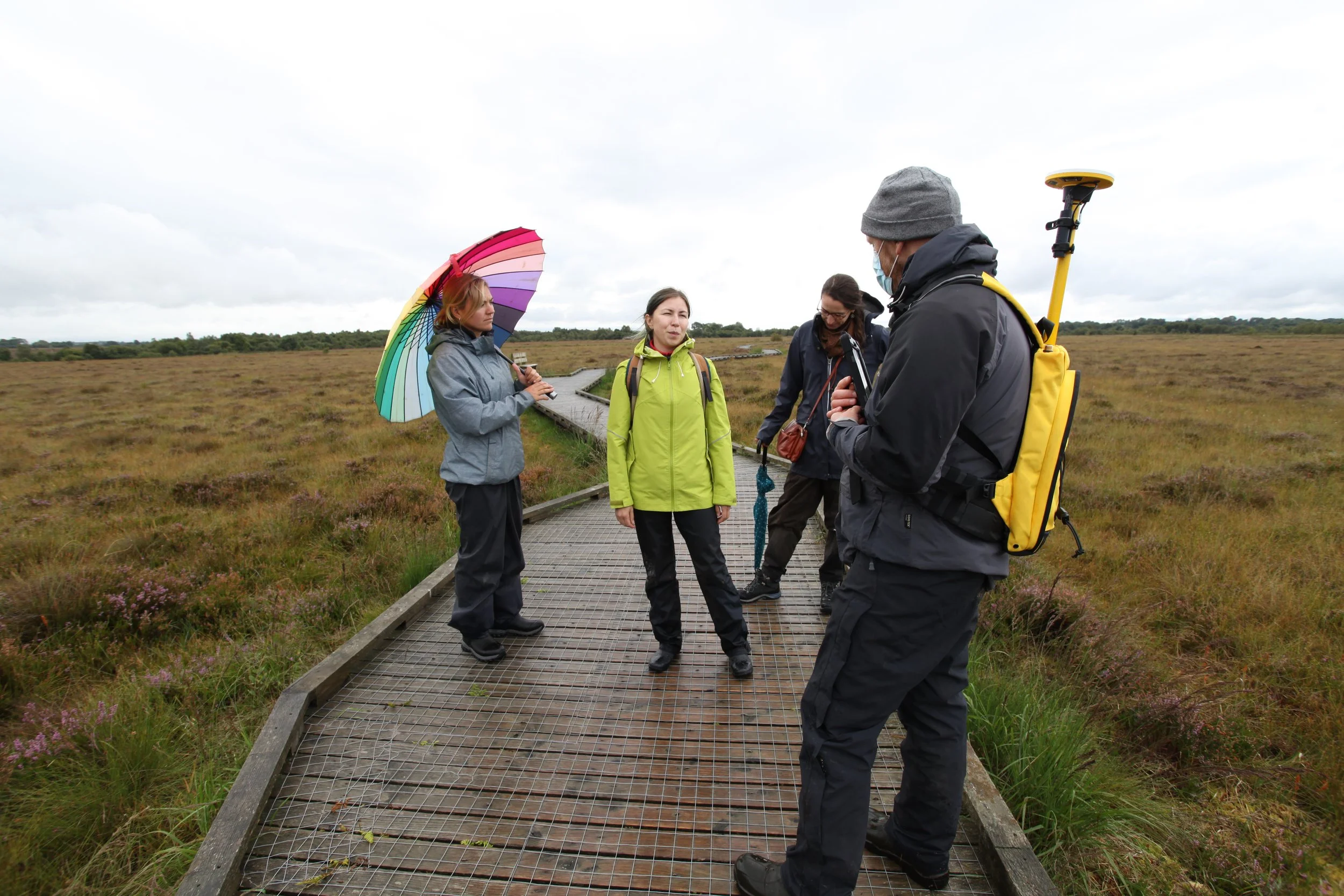
Developed through years of durational, embodied research with Ireland’s National Parks and Wildlife Service (NPWS), these technologies become collaborators, shaped through shared data practices, mutual trust, and sustained attention in the field.
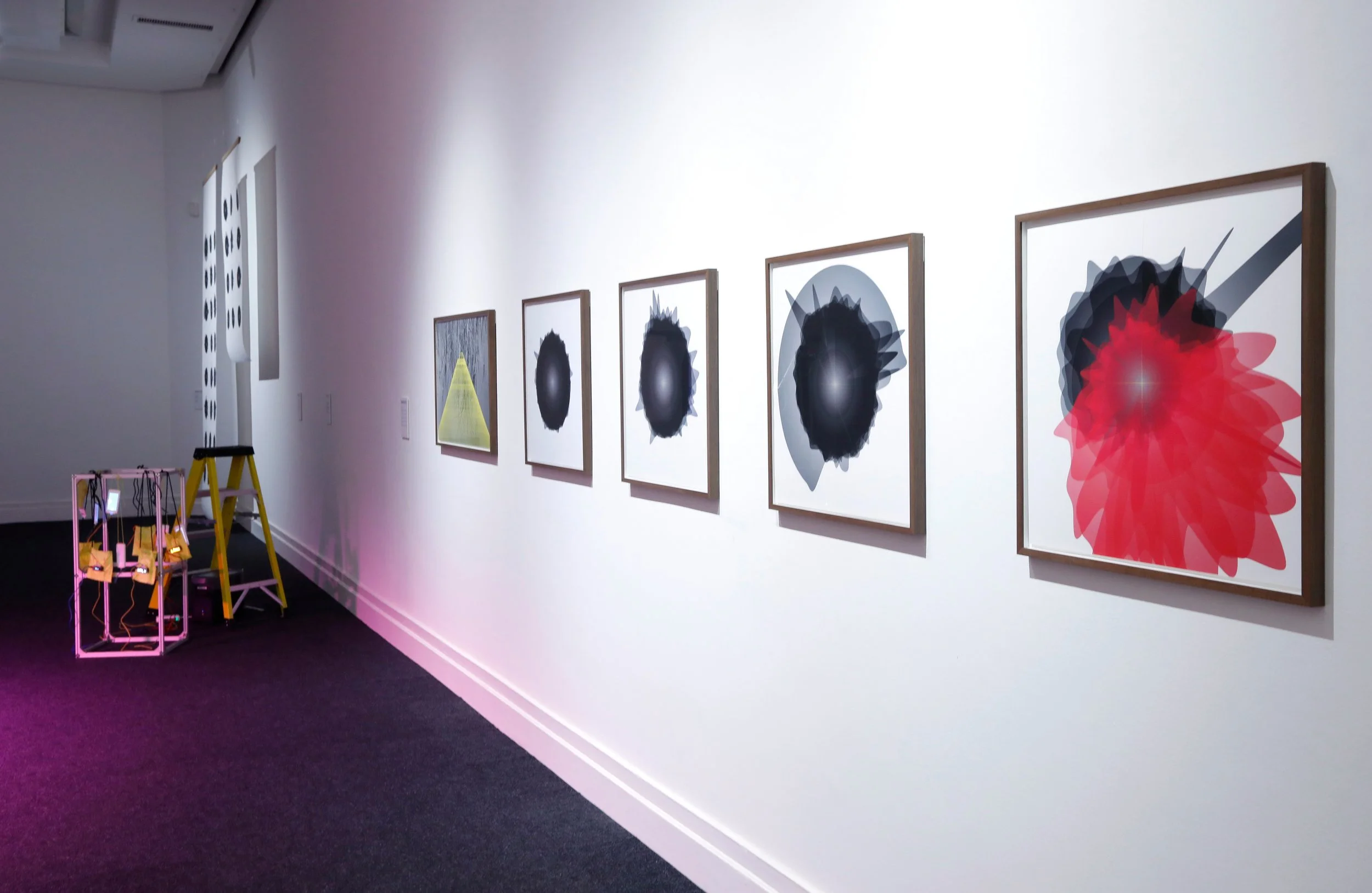
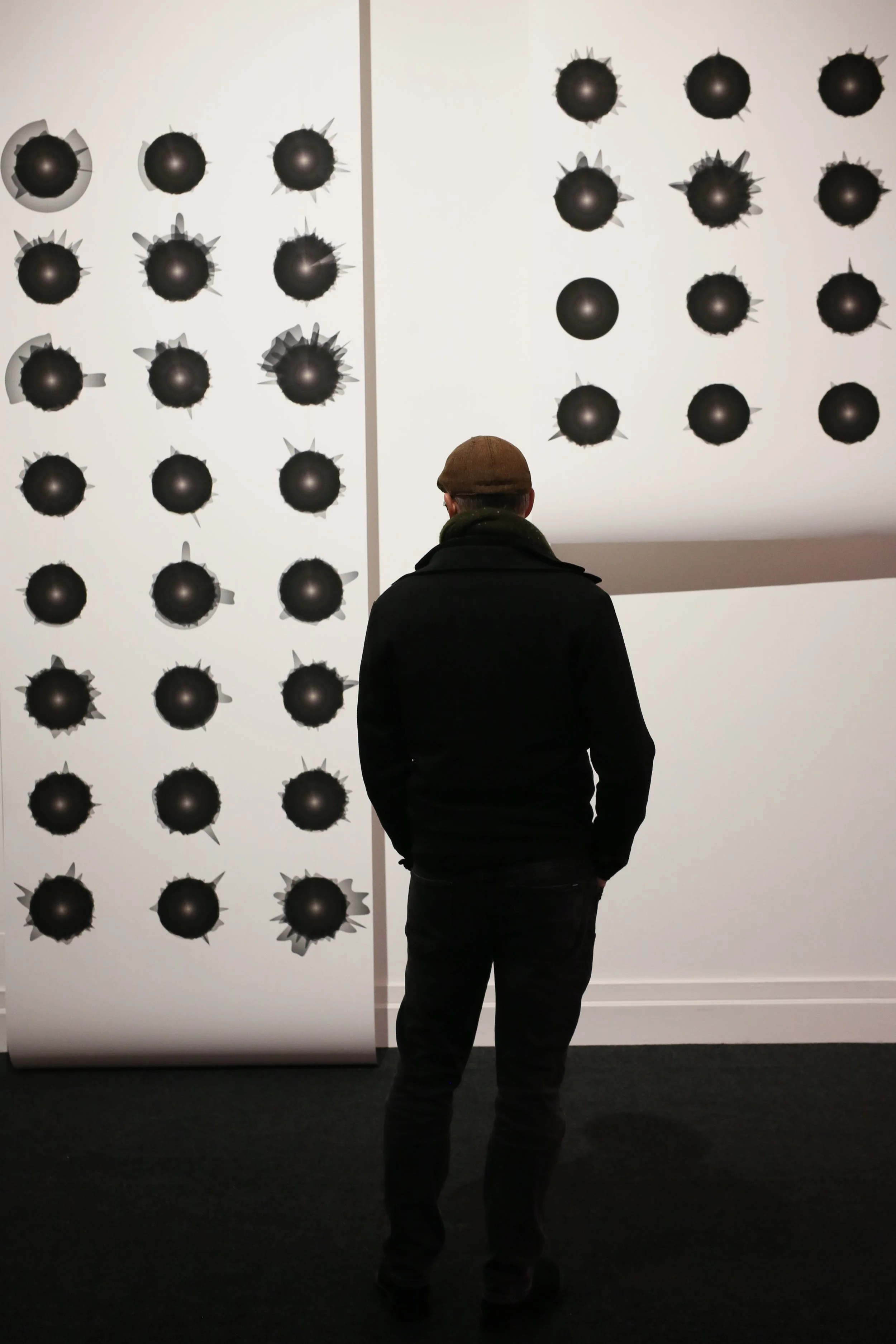
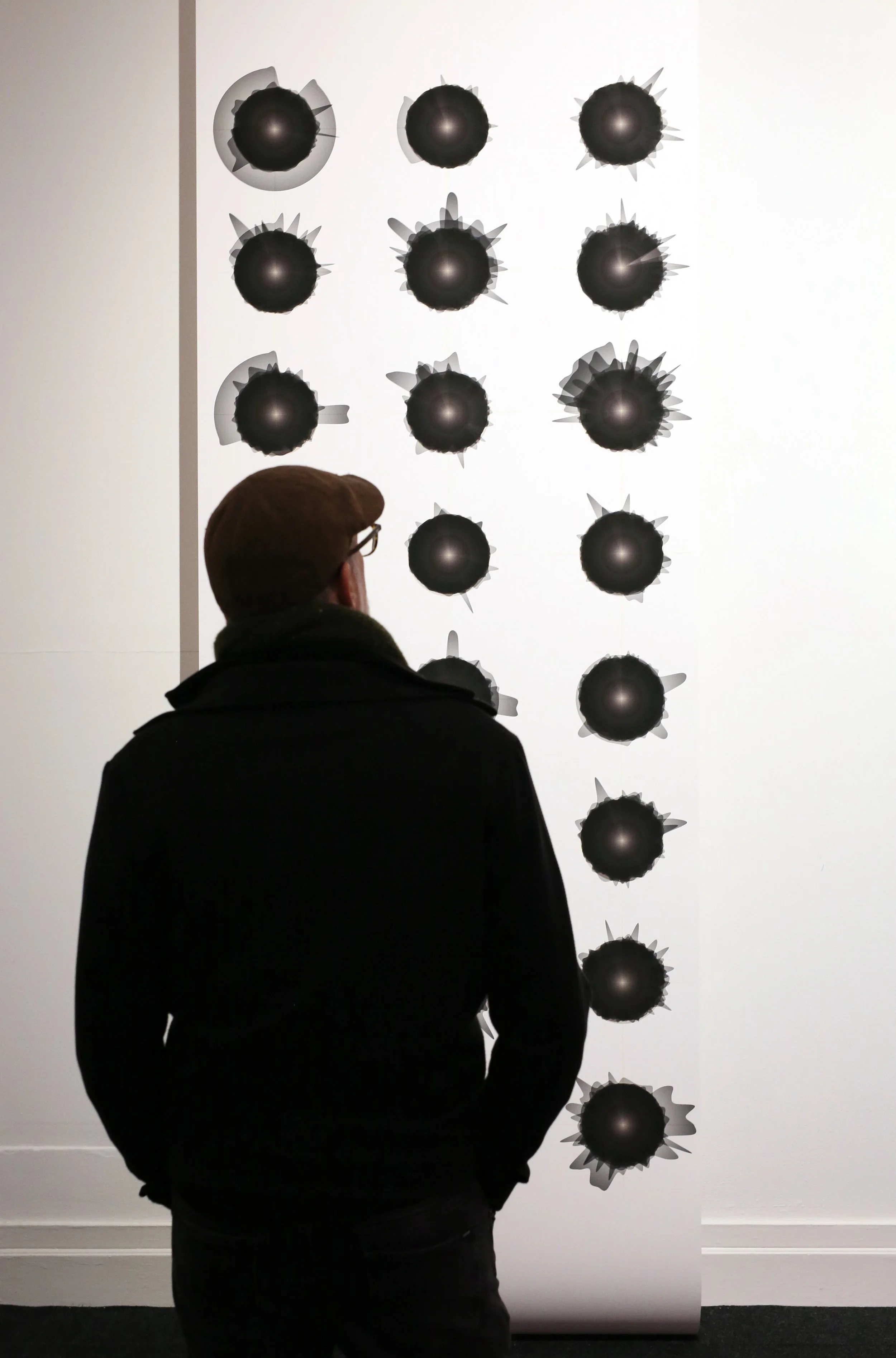
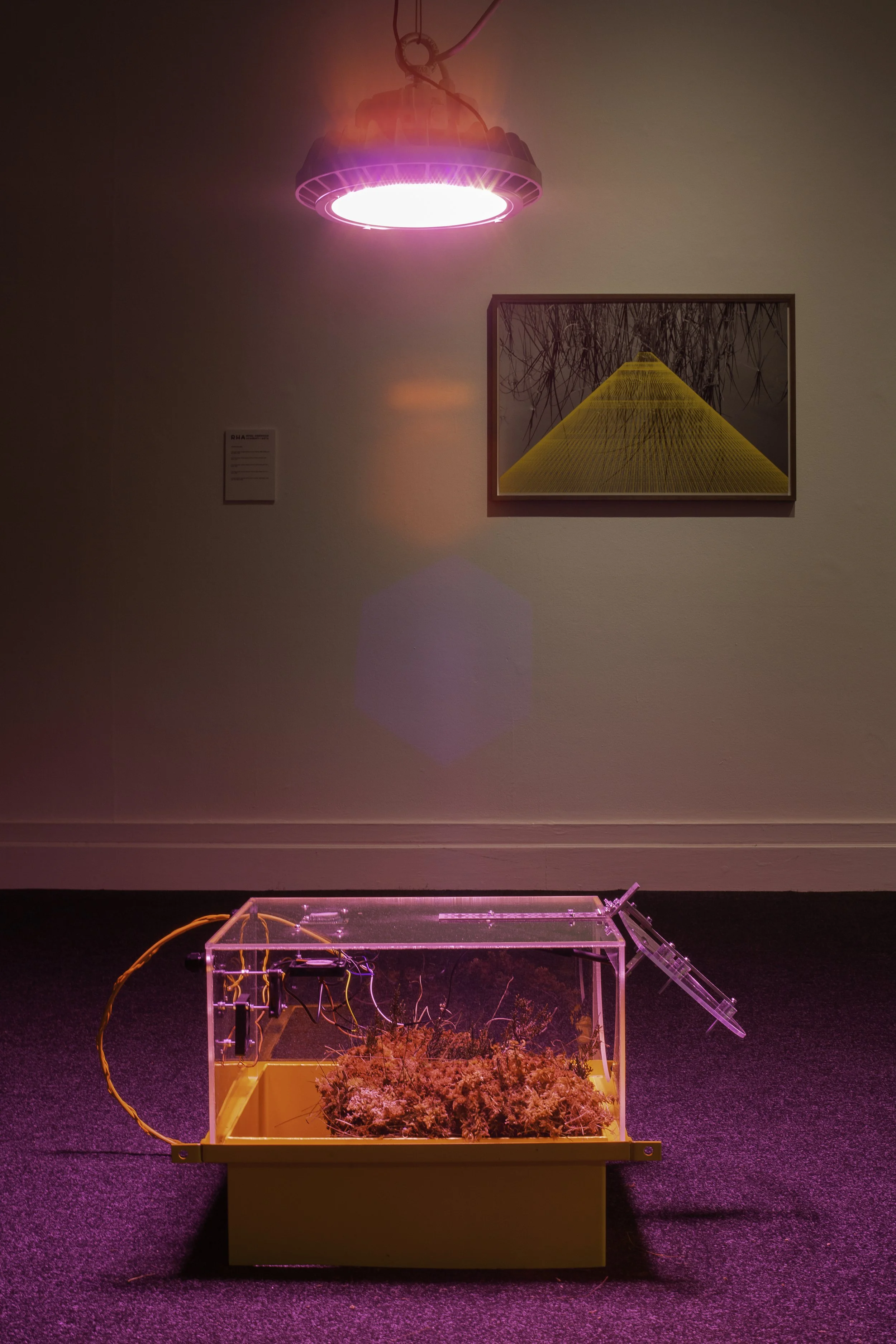
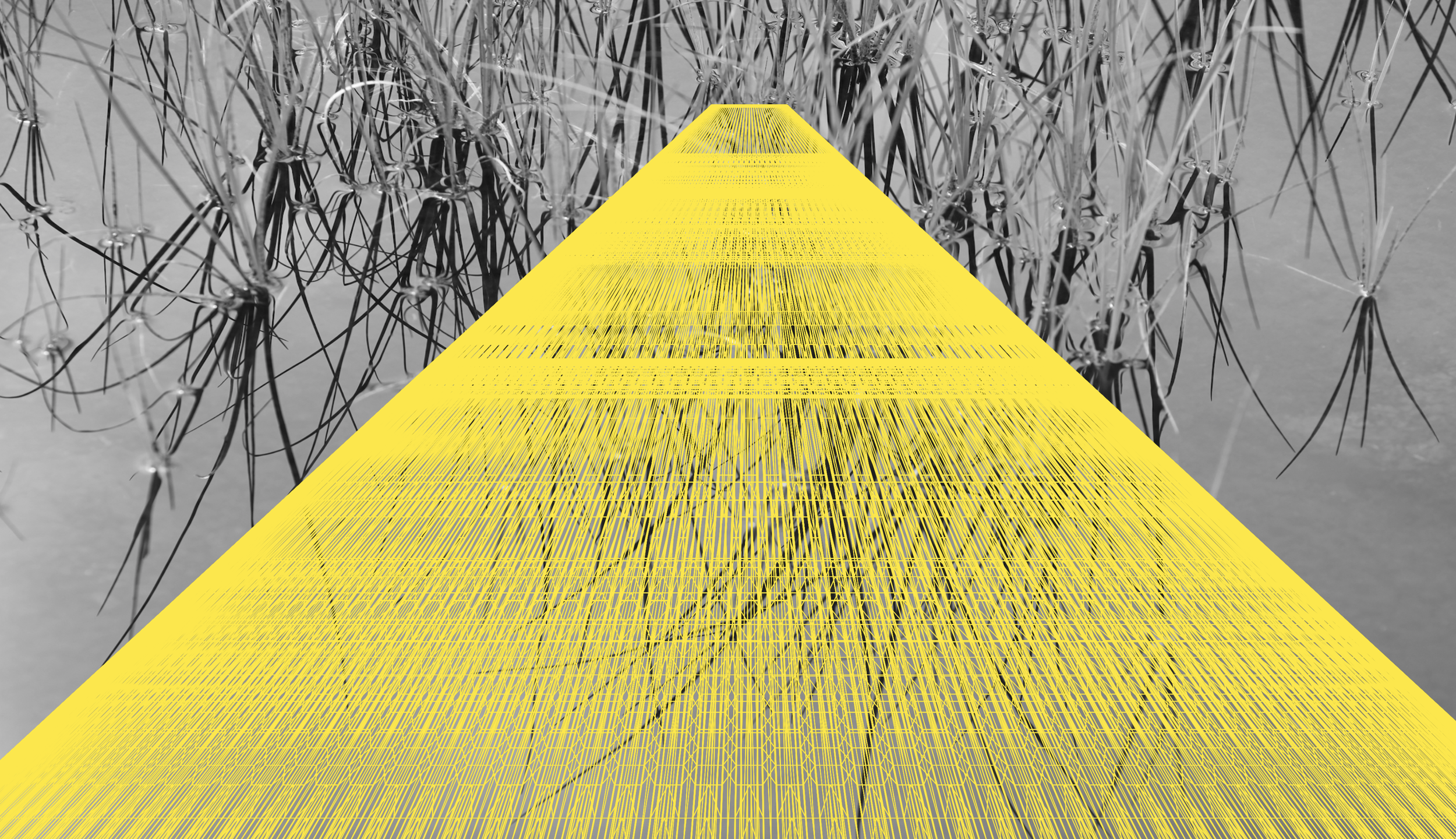
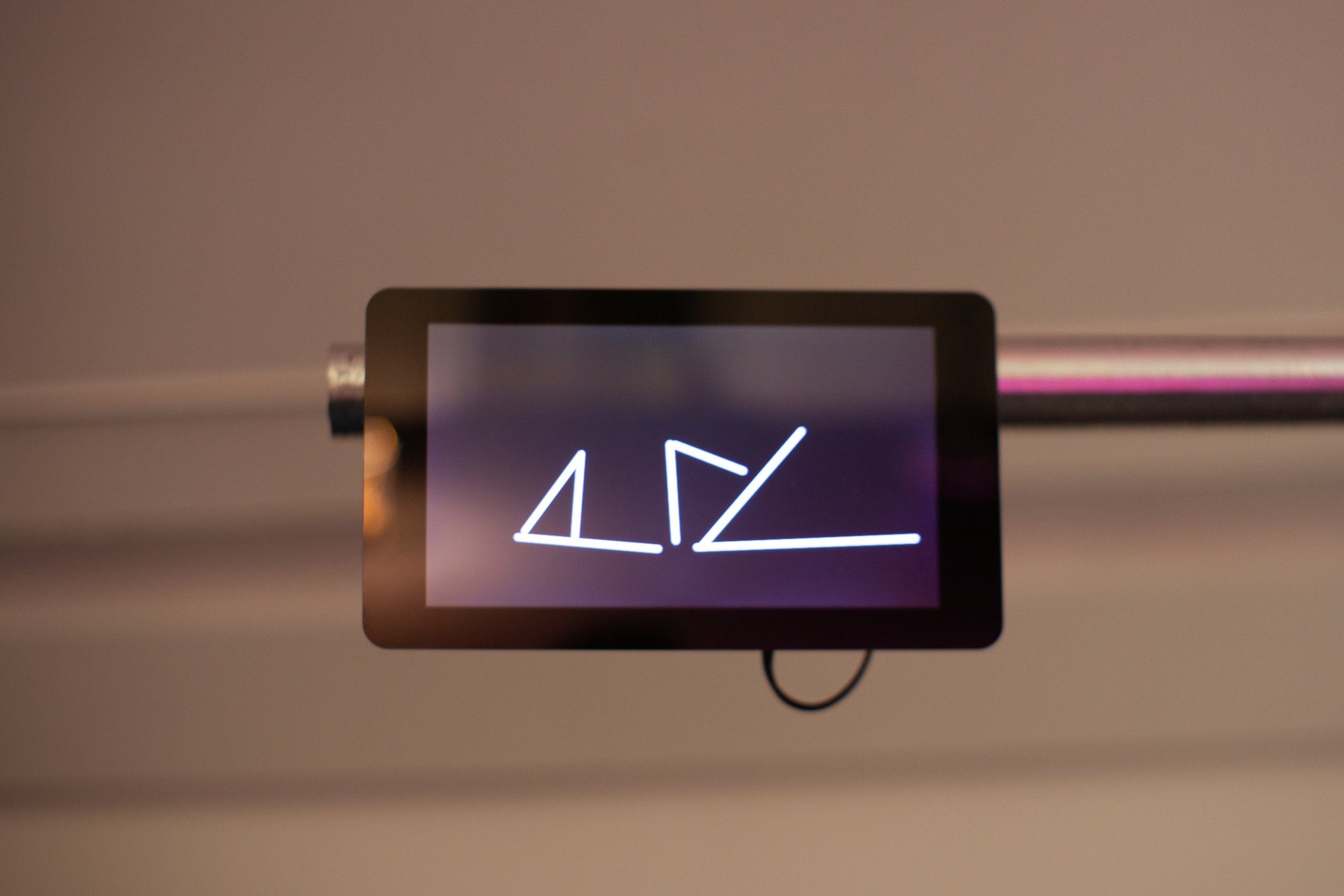
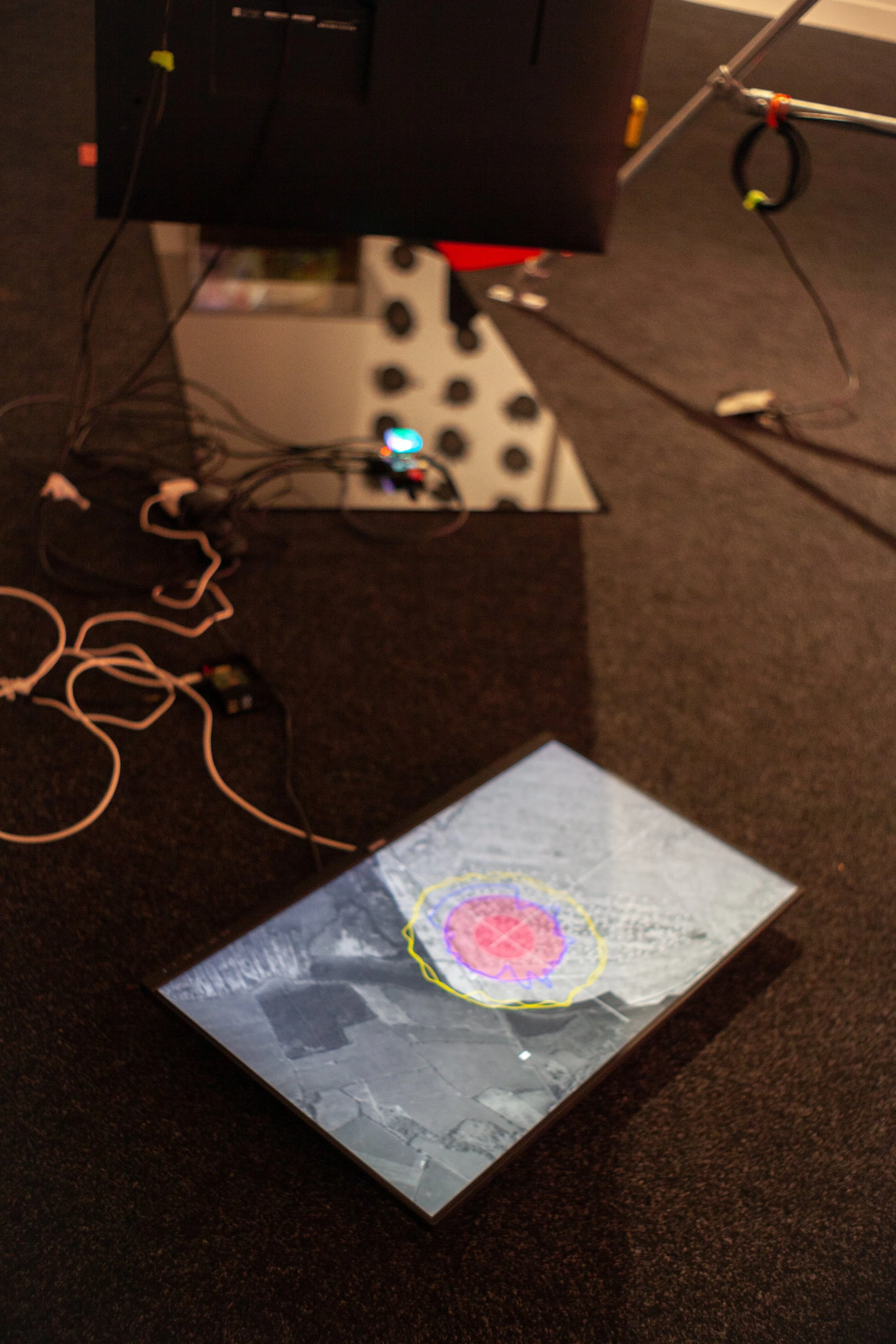
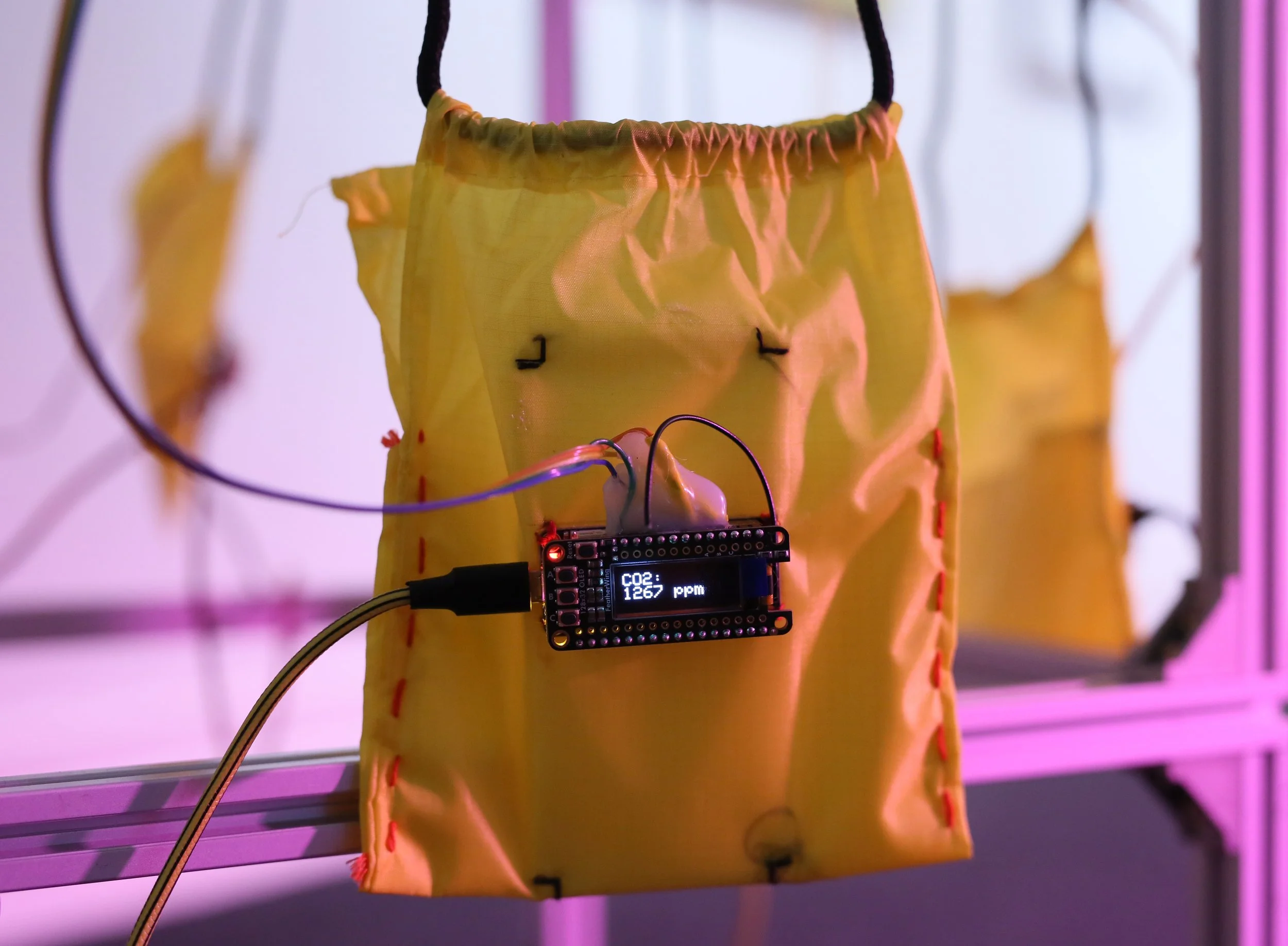
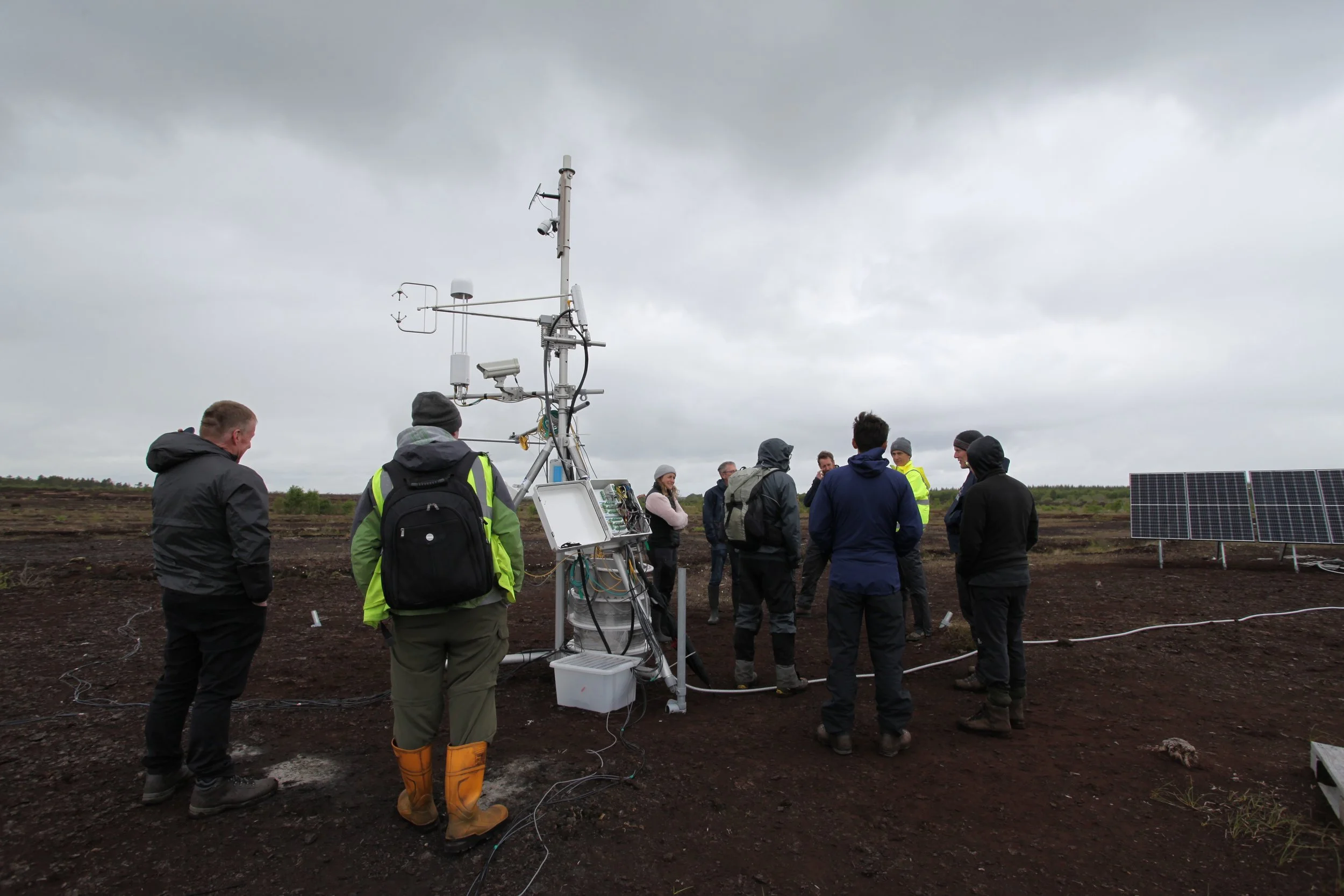
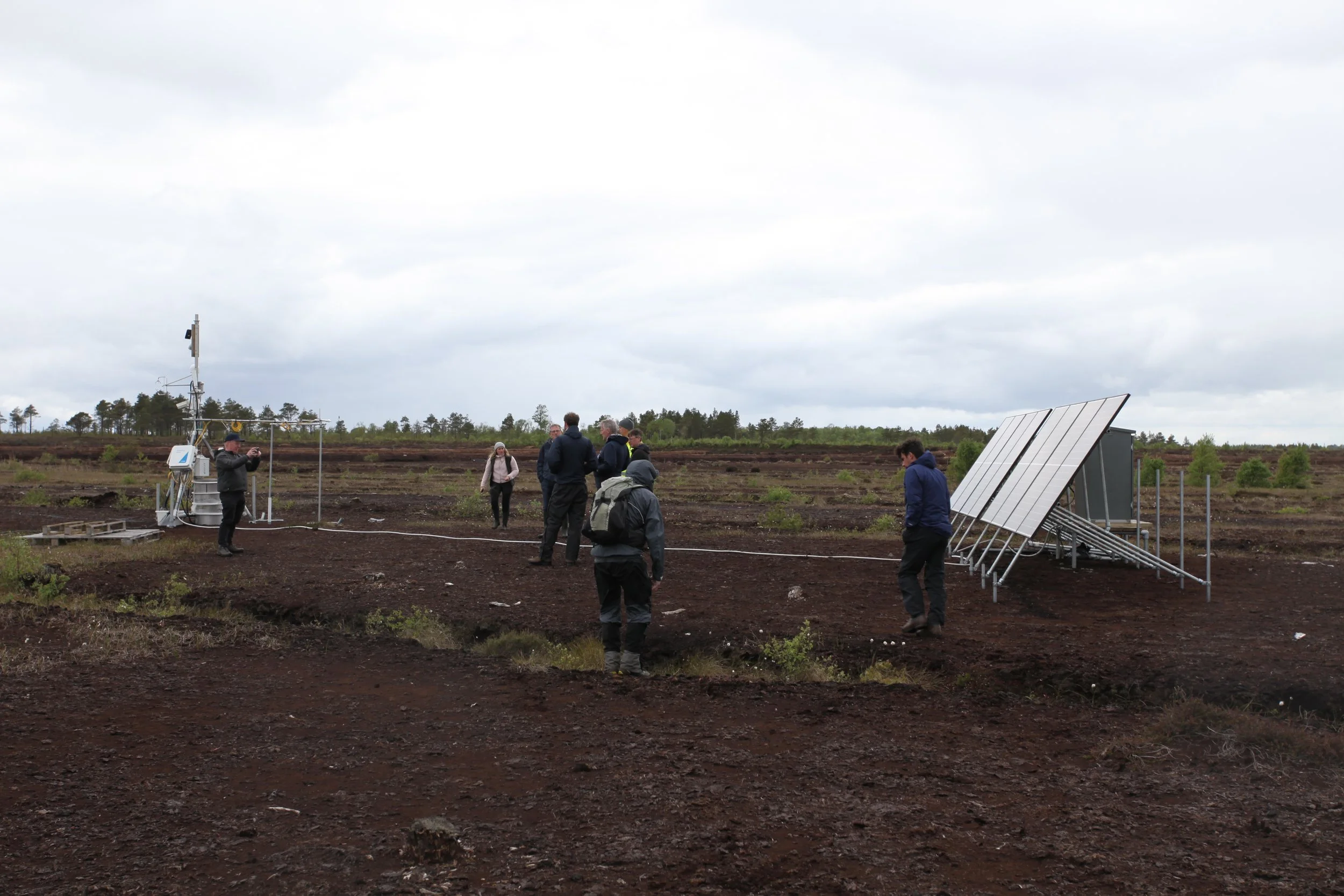
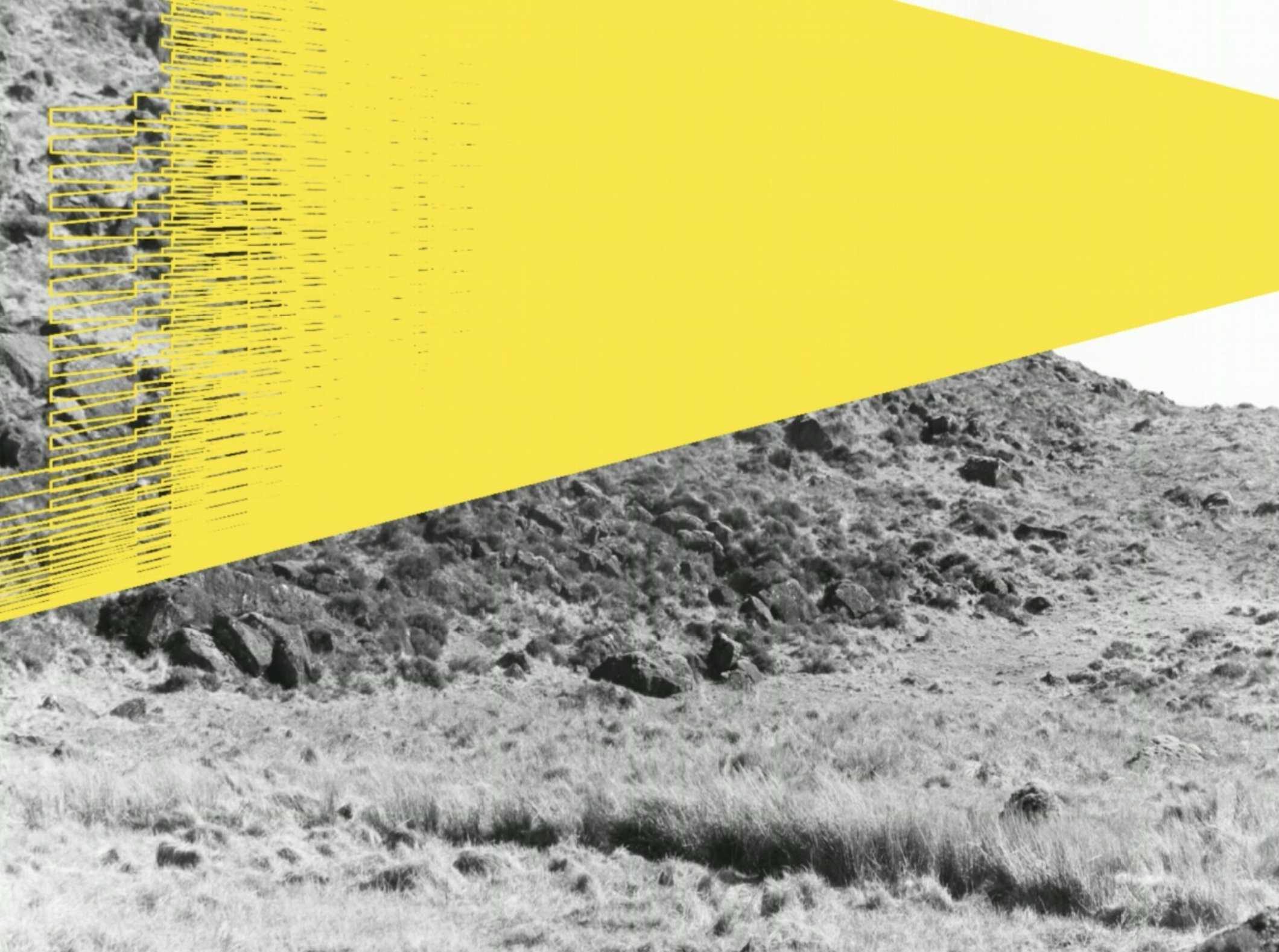
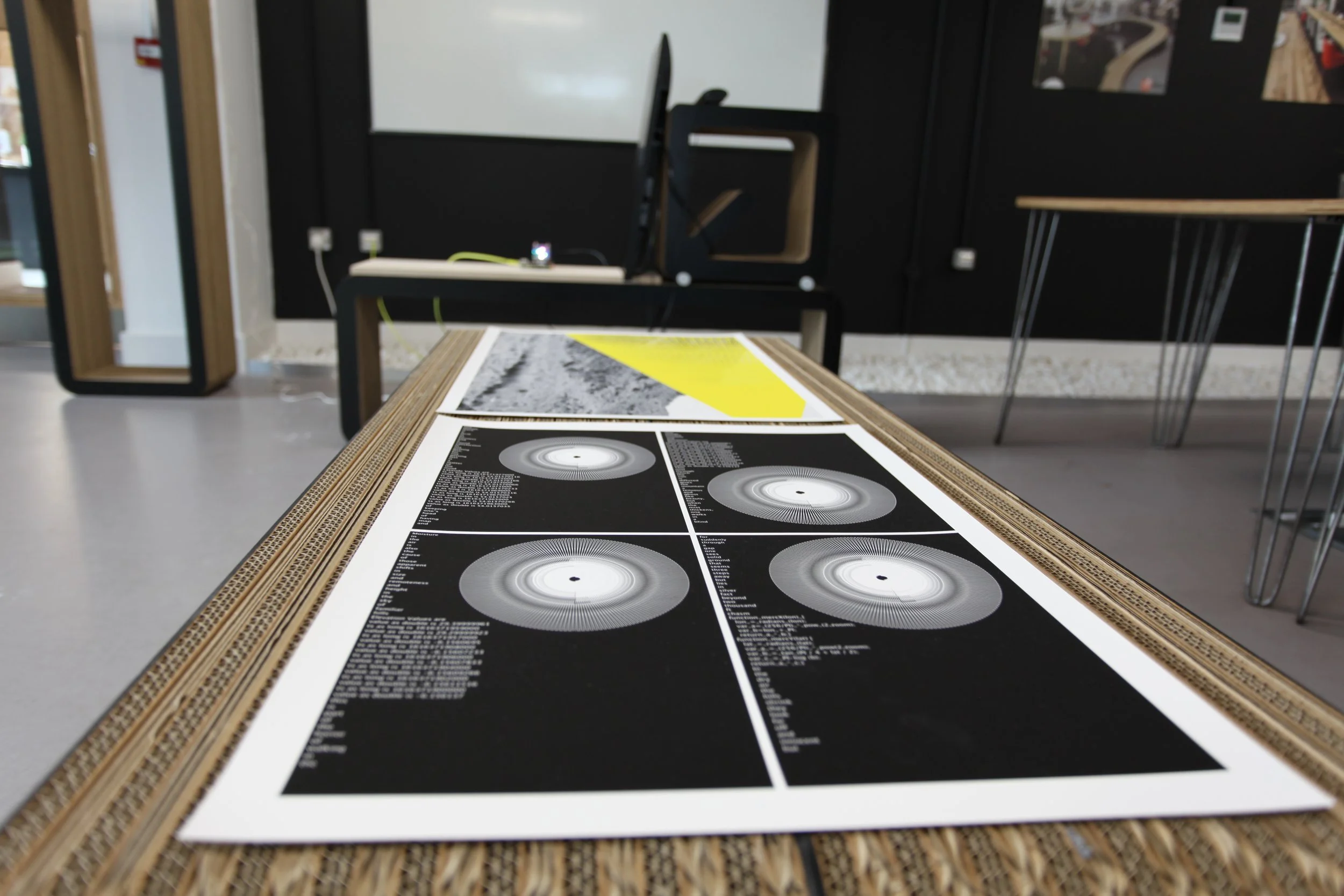
The works draw on real-time CO2 measurements from onsite and distant sensors including eddy covariance flux towers that monitor peatlands by recording the ecosystem’s “breathing,” allowing scientists to trace annual carbon cycles. Algorithmic works retrieve aggregated CO₂ flux data at 30-minute intervals and translate this atmospheric exchange into the rhythm of human breath, aligning atmospheric processes with embodied time.
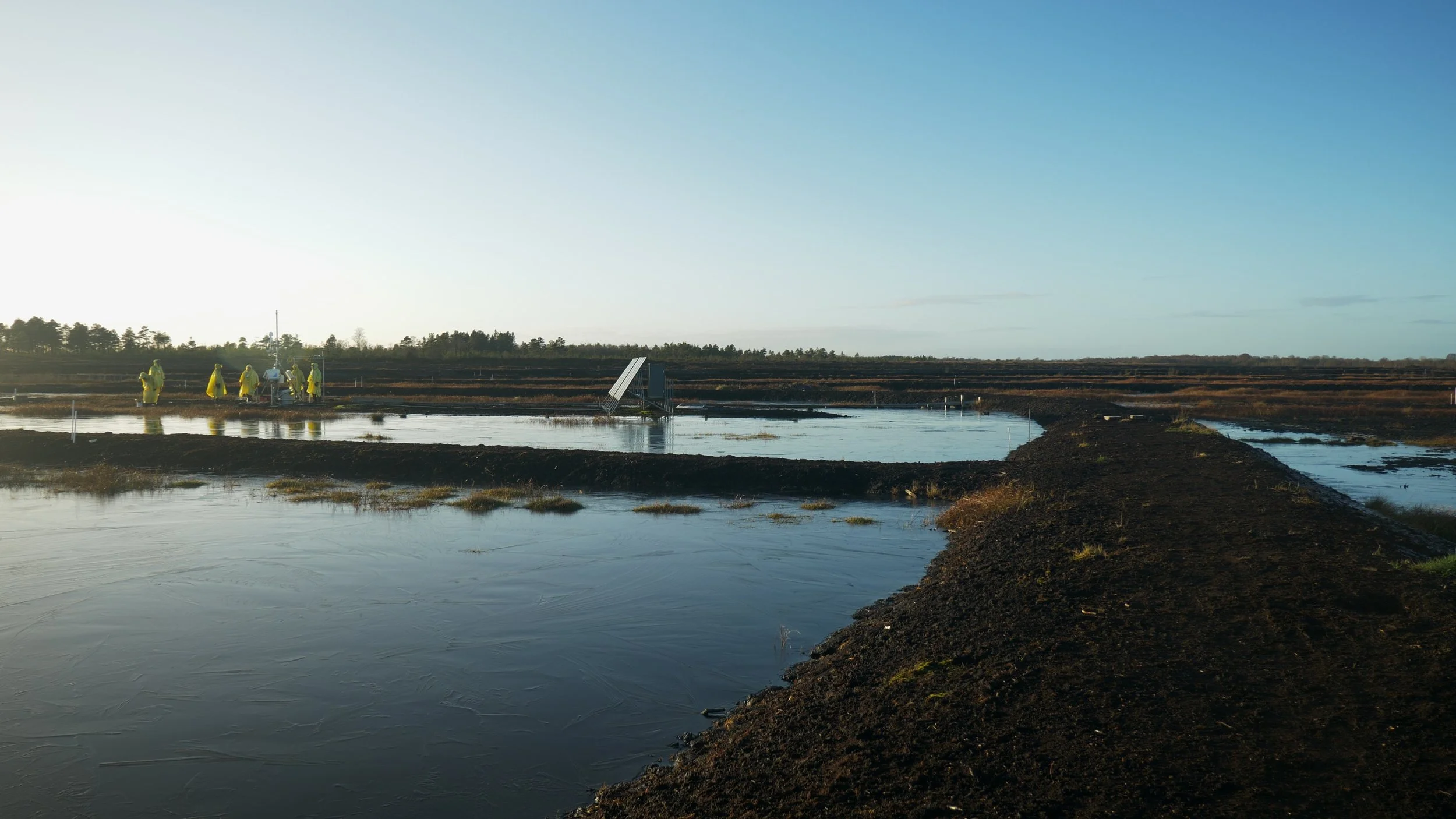
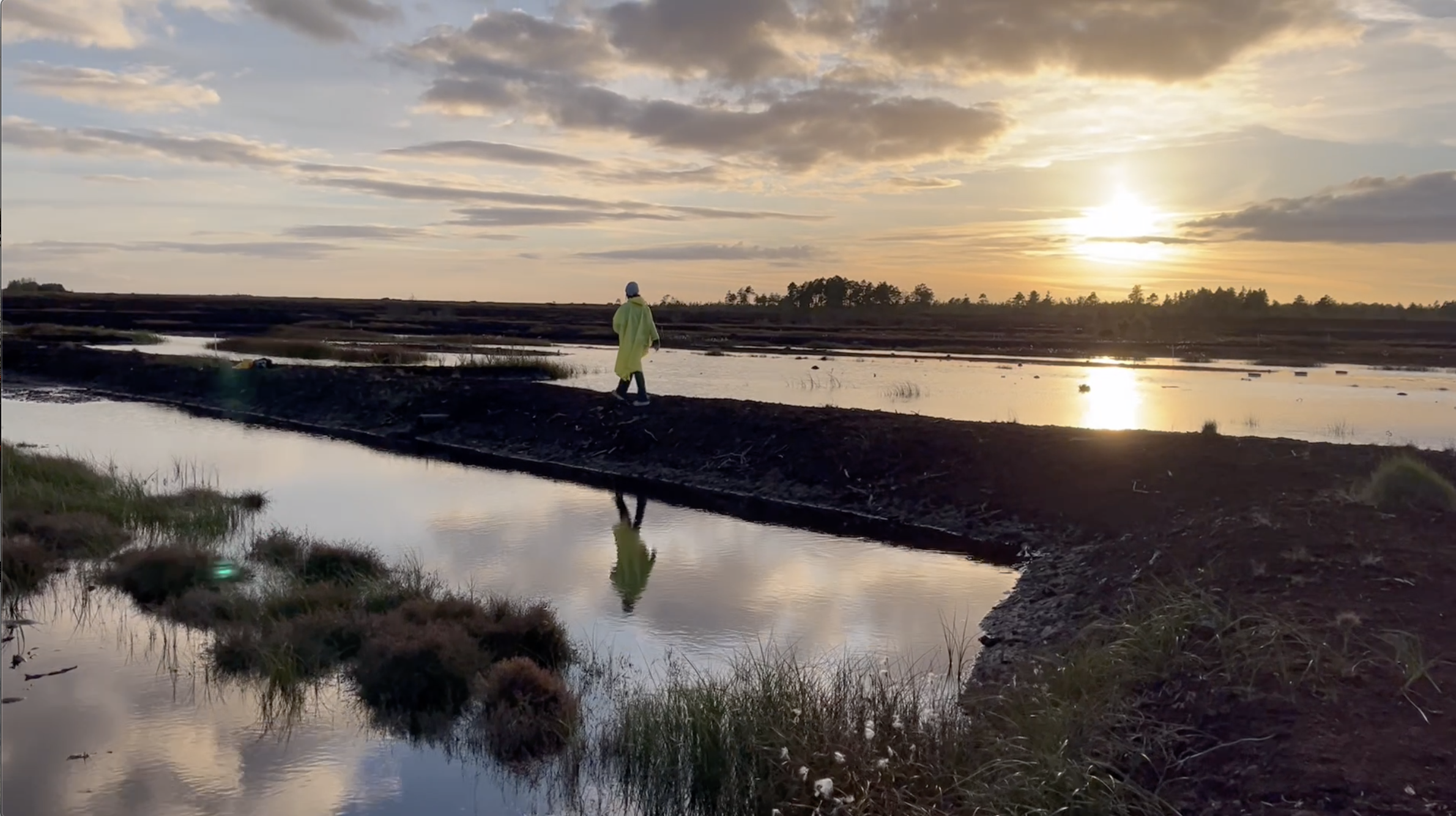
Over four years of attending to these daily fluctuations, Mc Donald has observed the data gradually settling within the rewetted cutaway bog at All Saints, Co. Offaly. This subtle calming mirrors the landscape itself, where earthen bunds divide the peatland into shallow cells that slowly refill with rainwater as restoration takes hold.
“Restoration of raised bog ecology takes time, years to decades. Bogs of the past formed due to a unique combination of species time and climate. Restoration projects are starting from a new baseline with more limited species and in our current climate will take time to develop. “ -Dr Noeleen Smyth
Rather than pursuing predictive certainty, the multinodal works listen to quieter rhythms—embracing drift, fluctuation, and the slow recalibration of living ground.
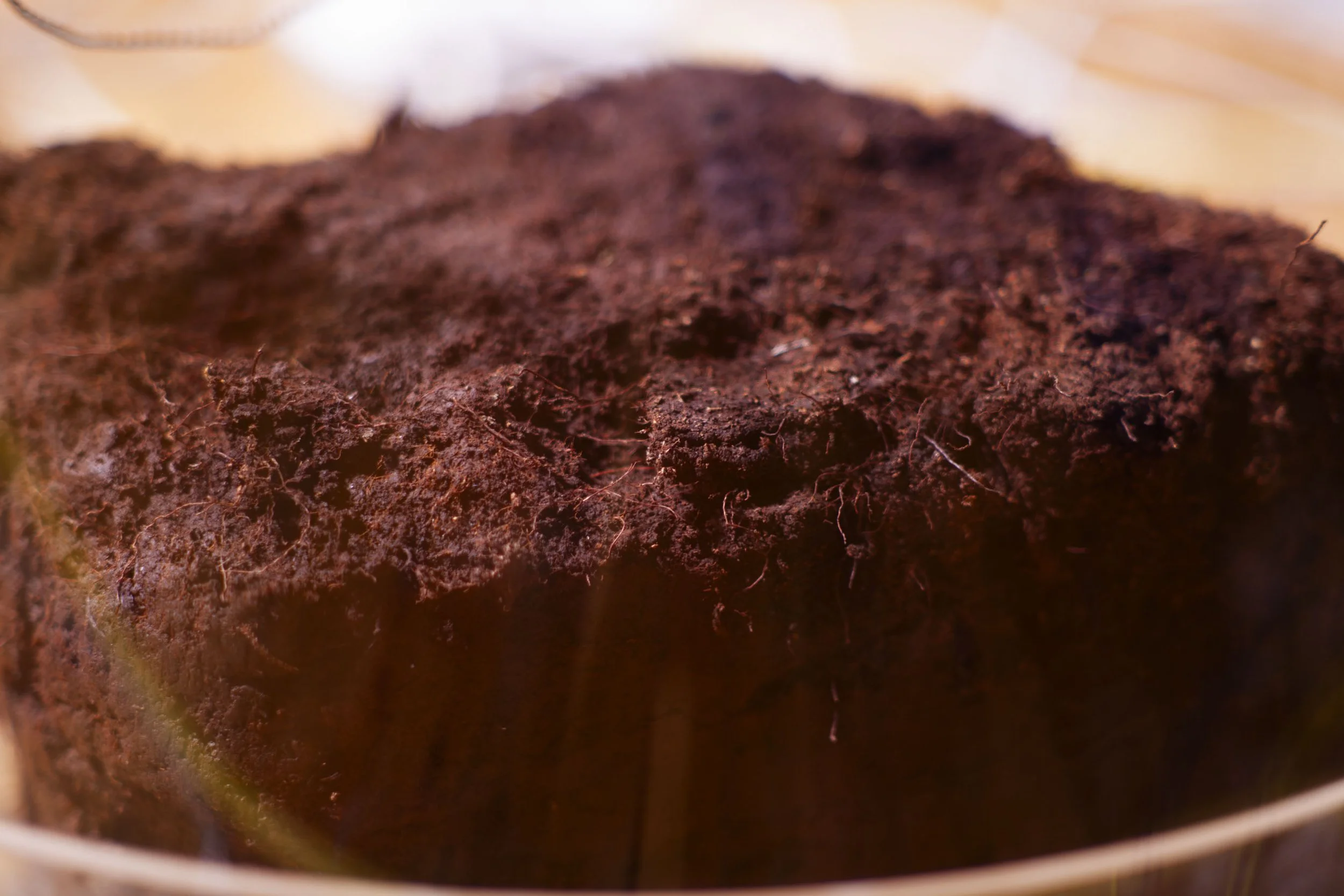
Formed through restored bogs, shared datasets, and slow walking alongside scientists and NPWS contractors, the works emerge from peatlands that store carbon, memory, and breath. These landscapes function as living archives whose capacity to regulate water, sequester carbon, and sustain biodiversity is inseparable from practices of care and restoration. Intact bogs remove greenhouse gases from the atmosphere by locking carbon within waterlogged peat; when drained, they shift into an aerobic state, triggering decomposition and the release of stored carbon back into the air.
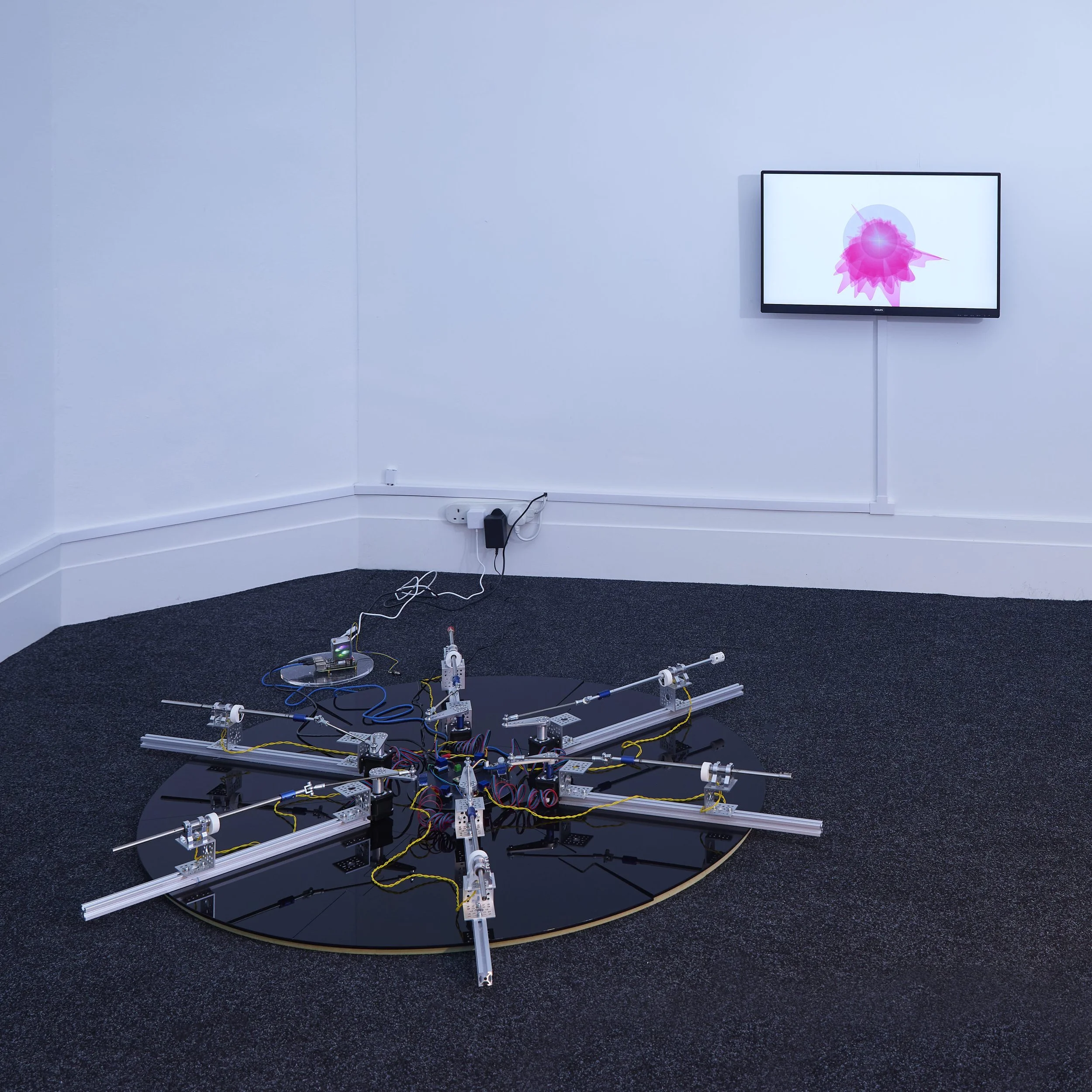
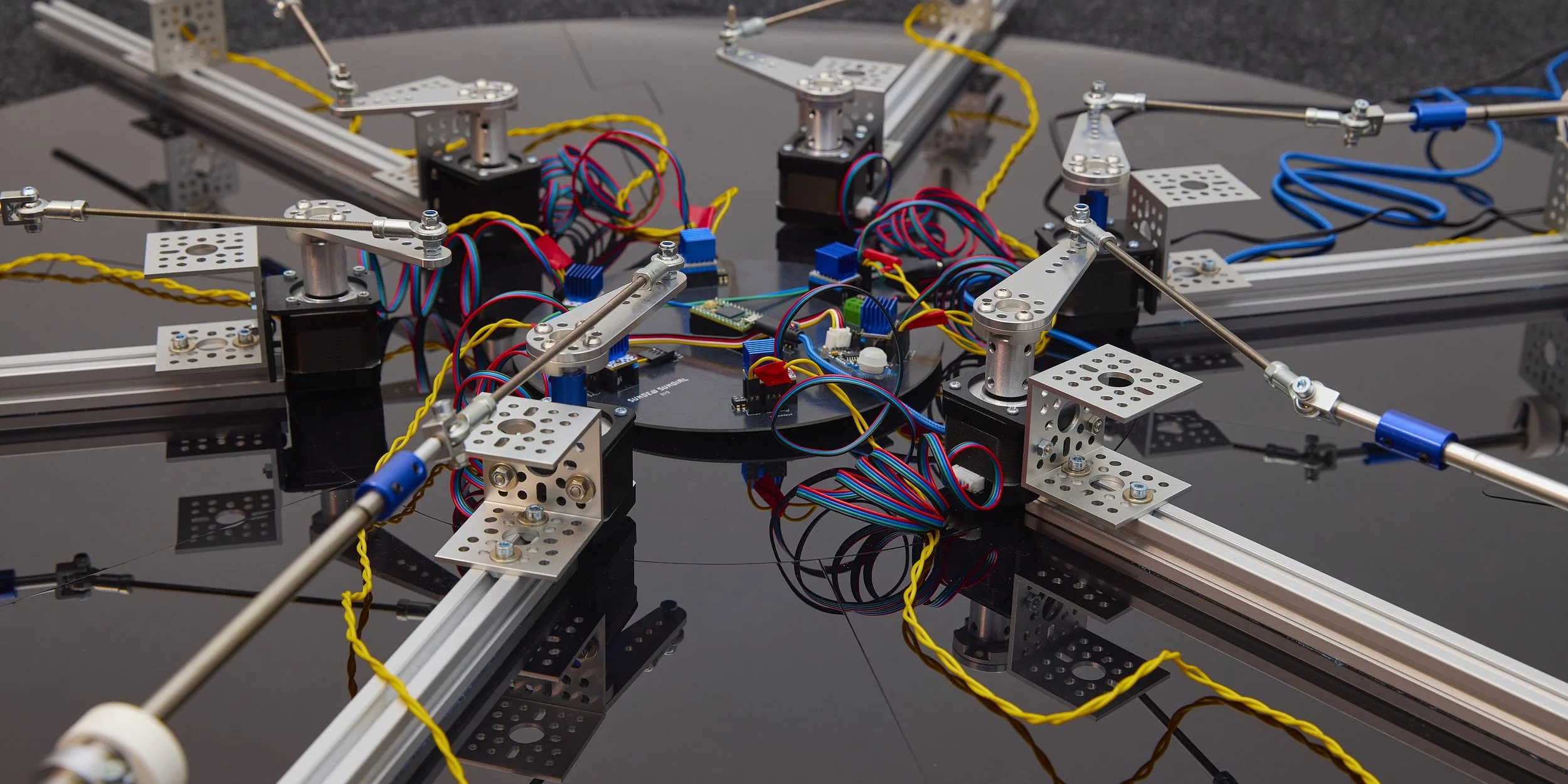
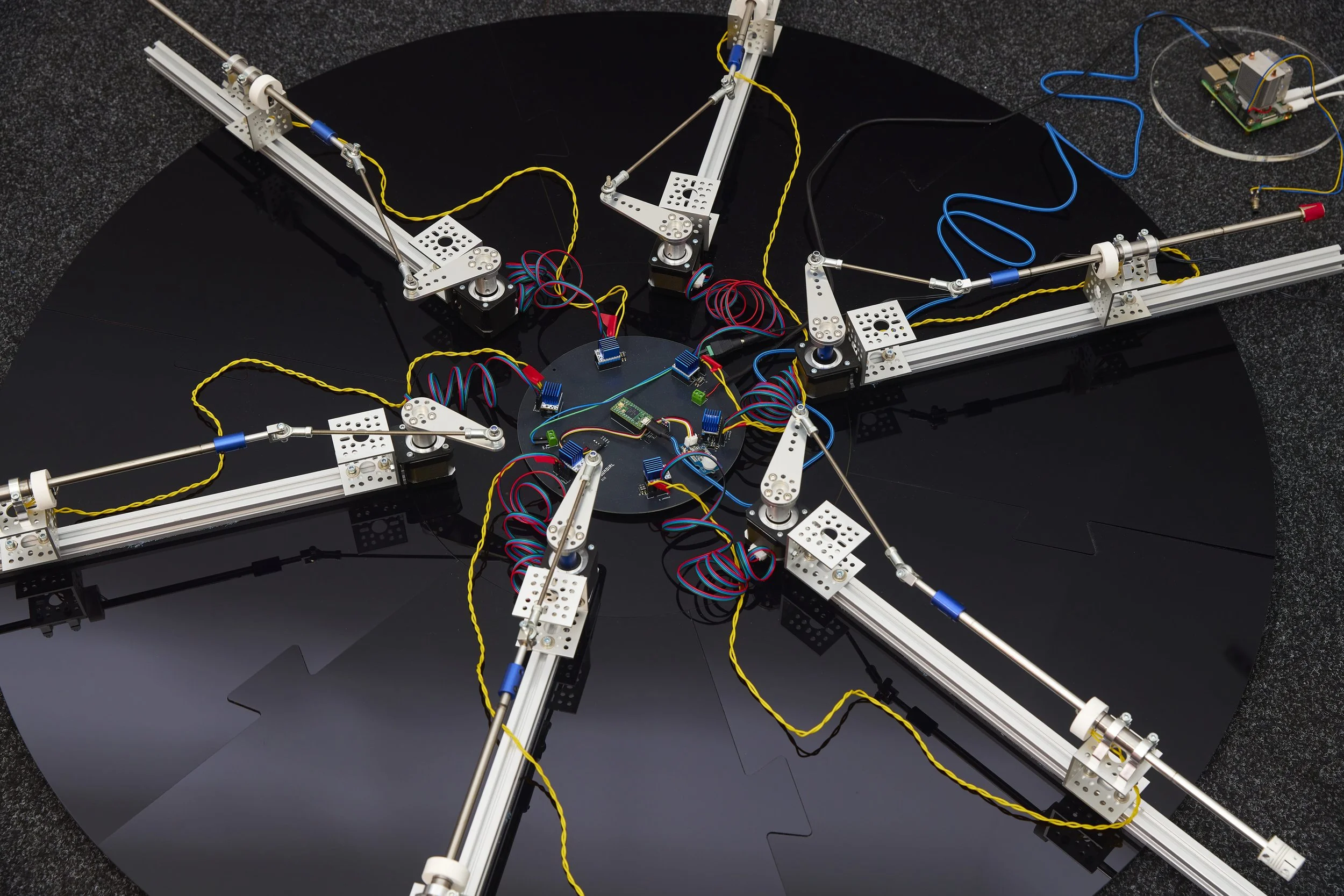
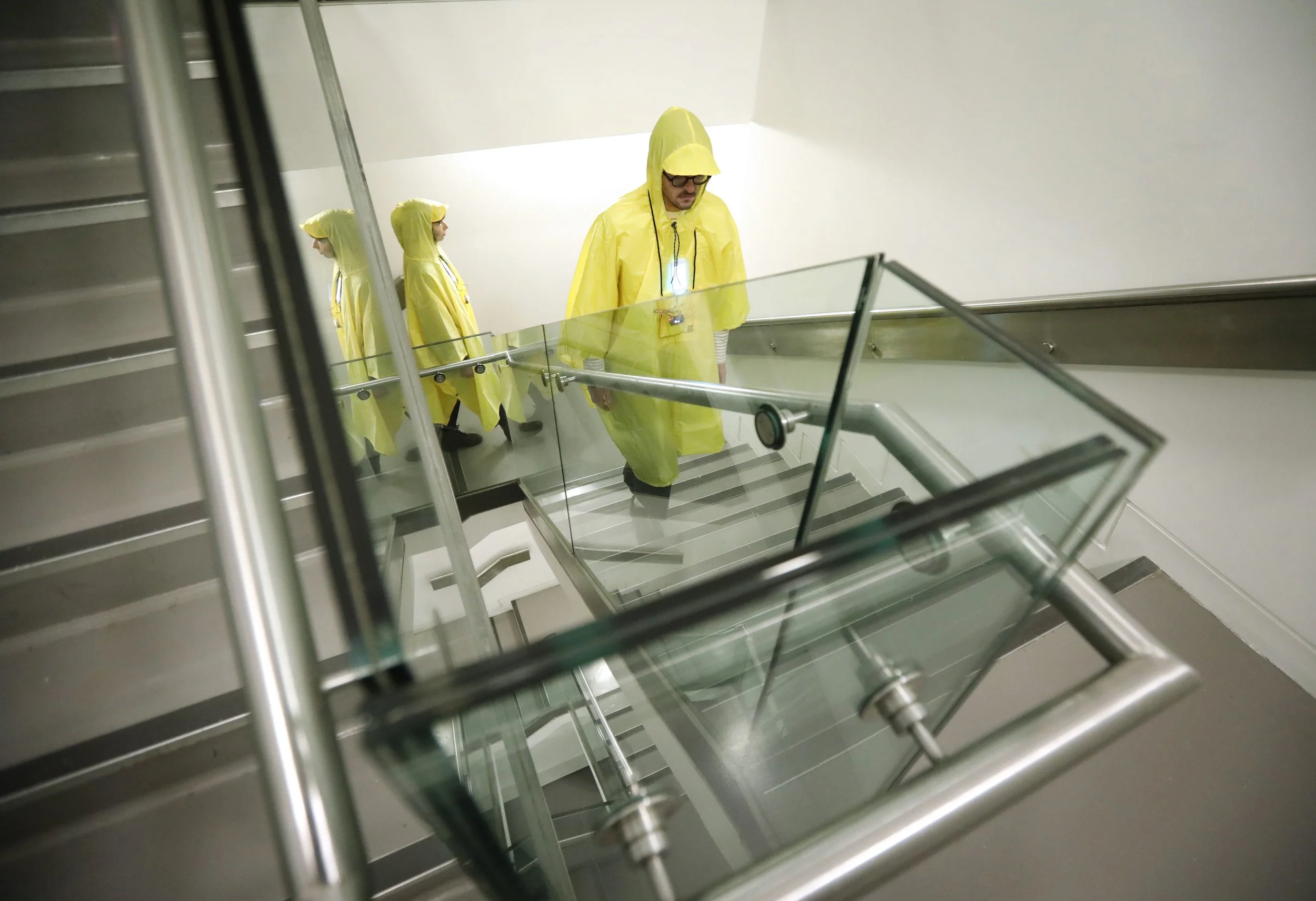
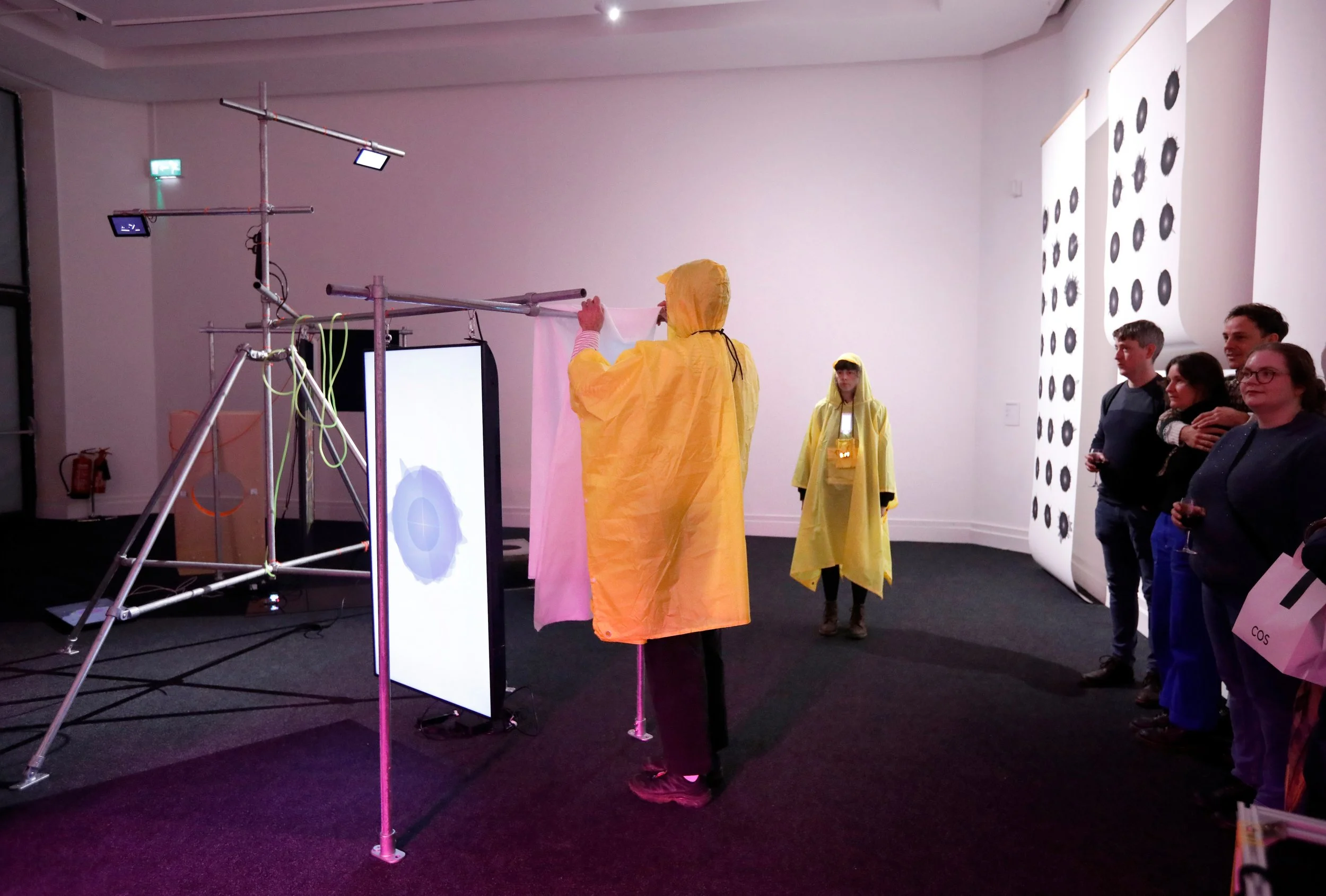
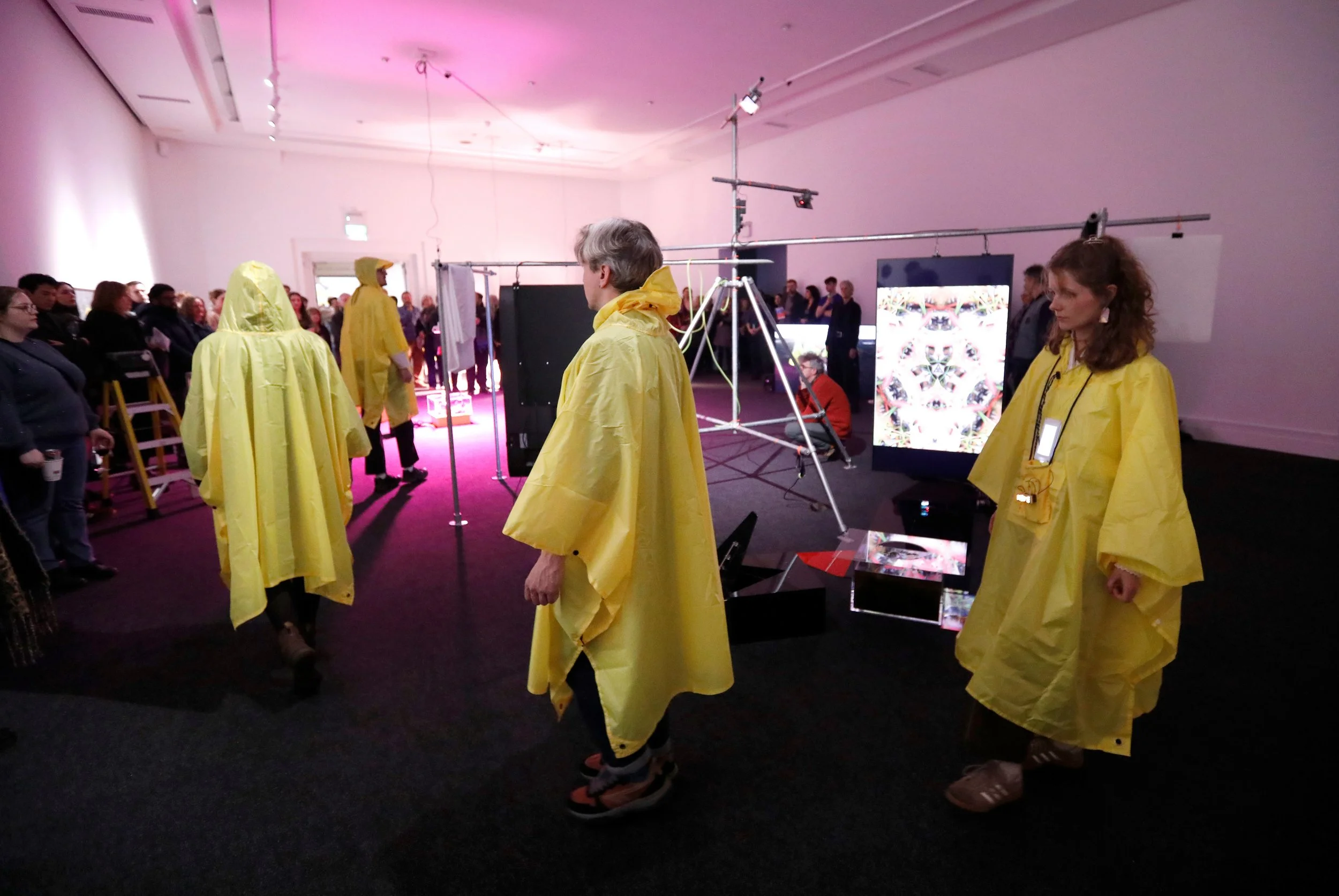
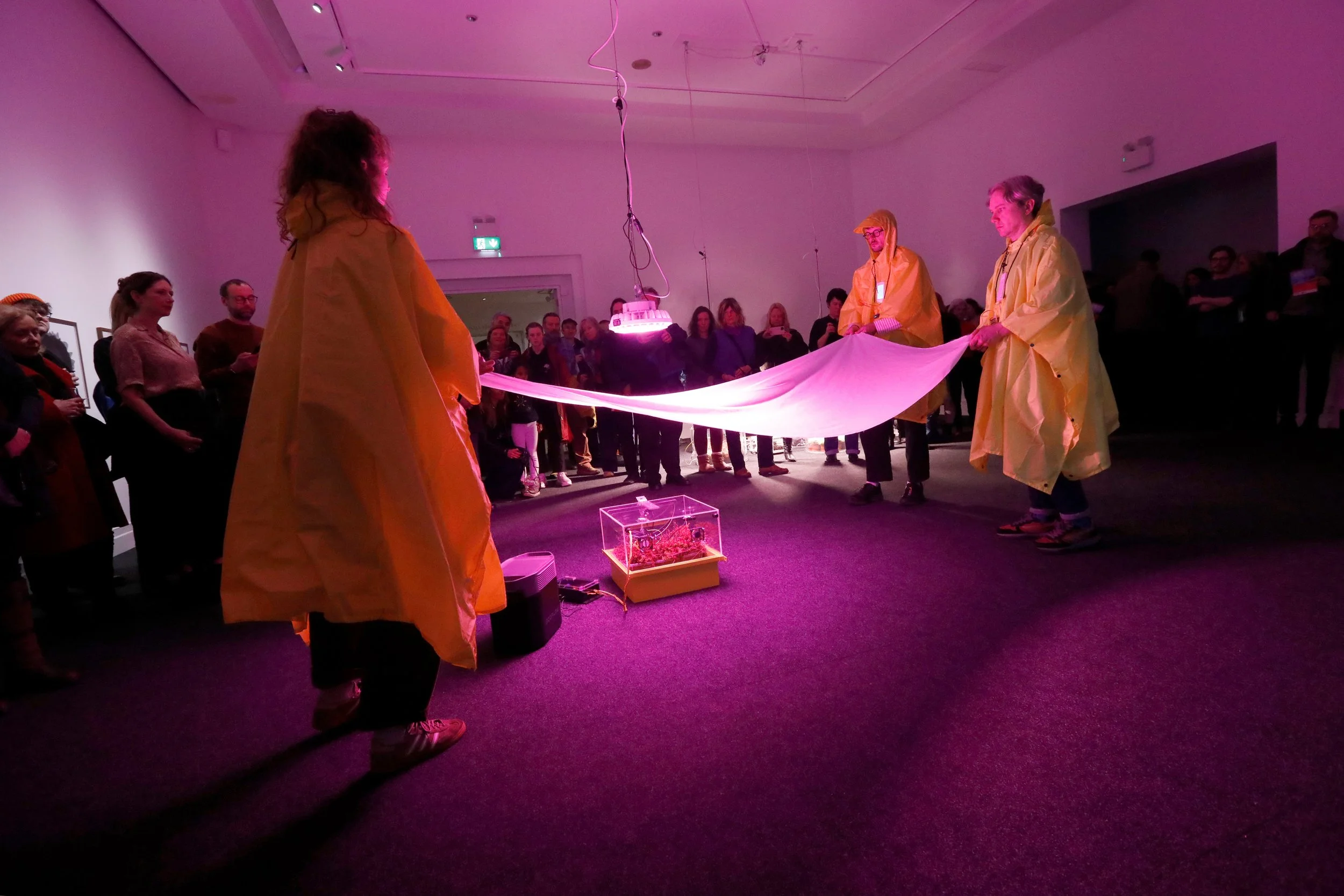
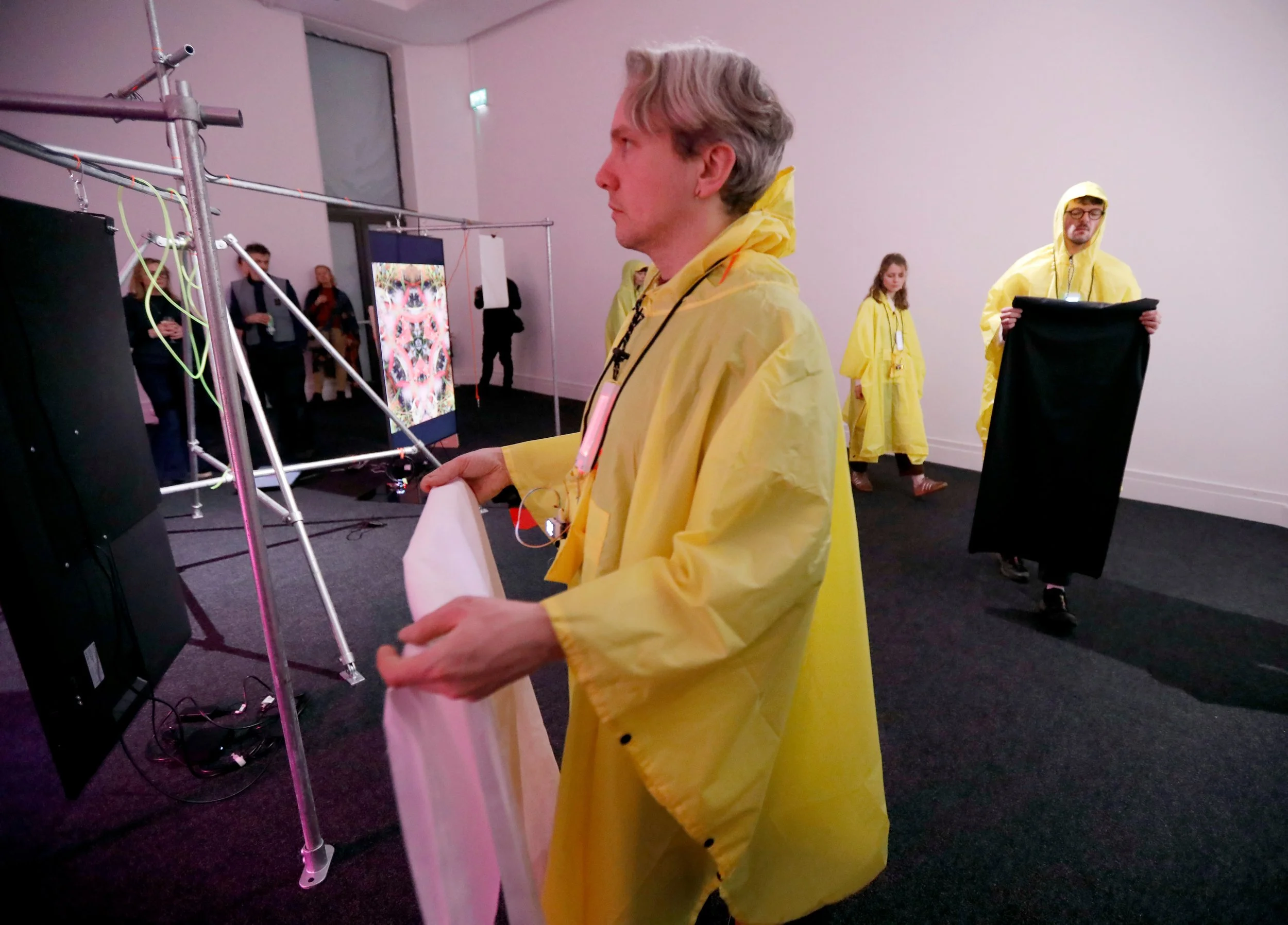
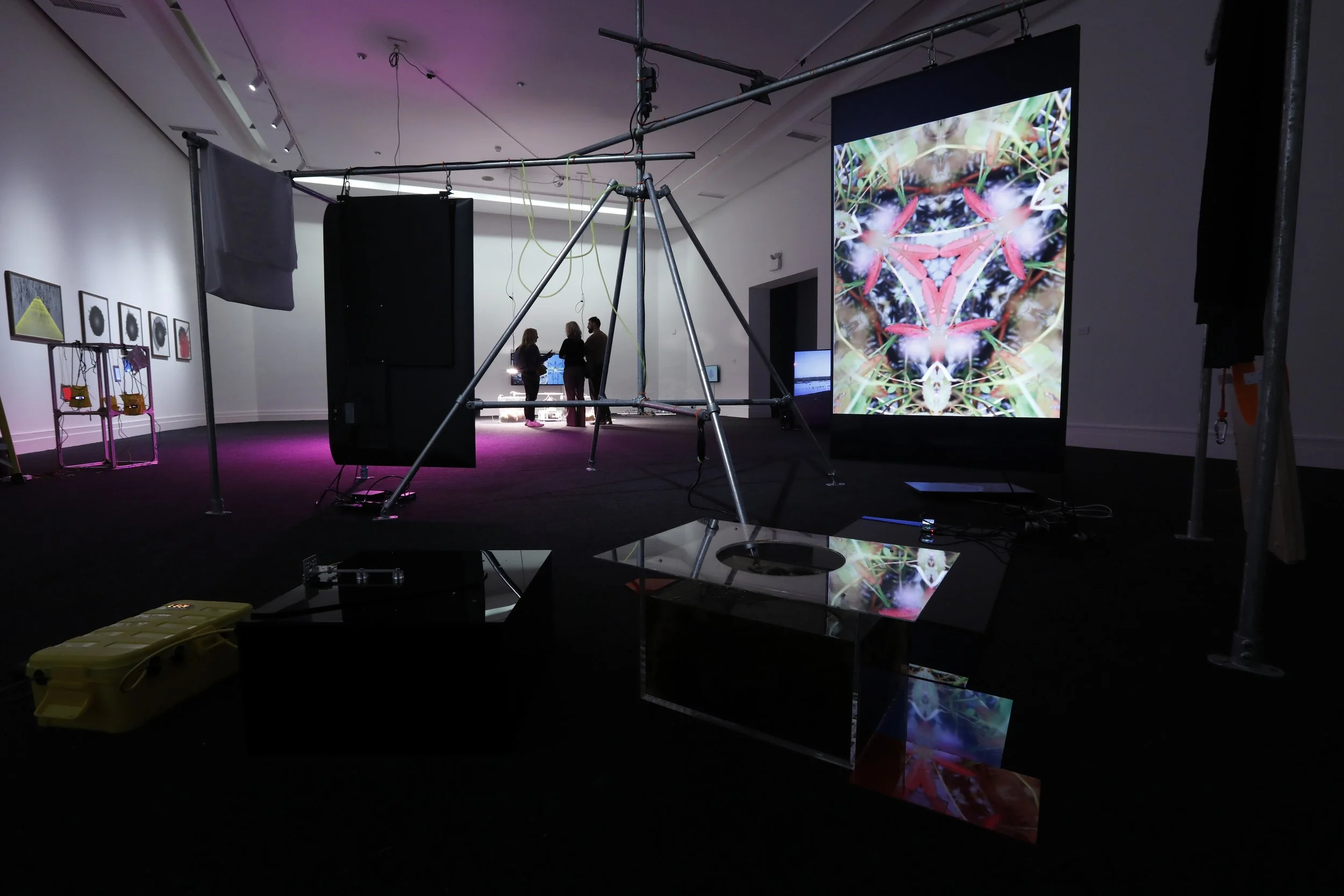
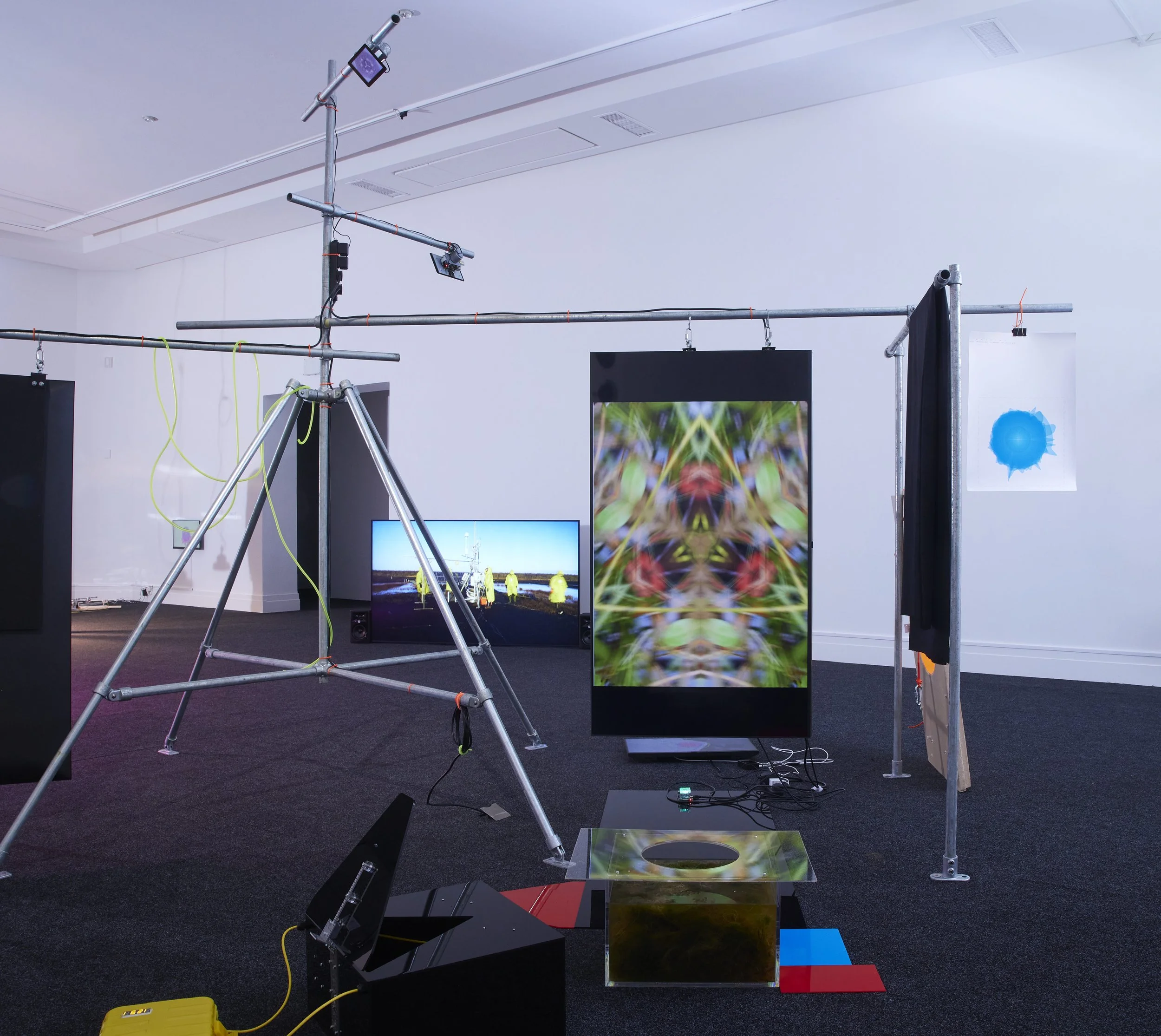
Across the exhibition, low-power animations, custom-built greenhouse gas chambers, data-driven giclée prints, wearable CO2 receivers, and sensor-driven performances assemble into a techno-ecology that quietly resists optimisation. Mc Donald’s slow-media, small-file methodology privileges ecological time, subtle perception, and minimal energy use. Her coded line drawings—developed in JavaScript using low-resolution datasets—position “small-footprint” media as both aesthetic strategy and ecological ethic.
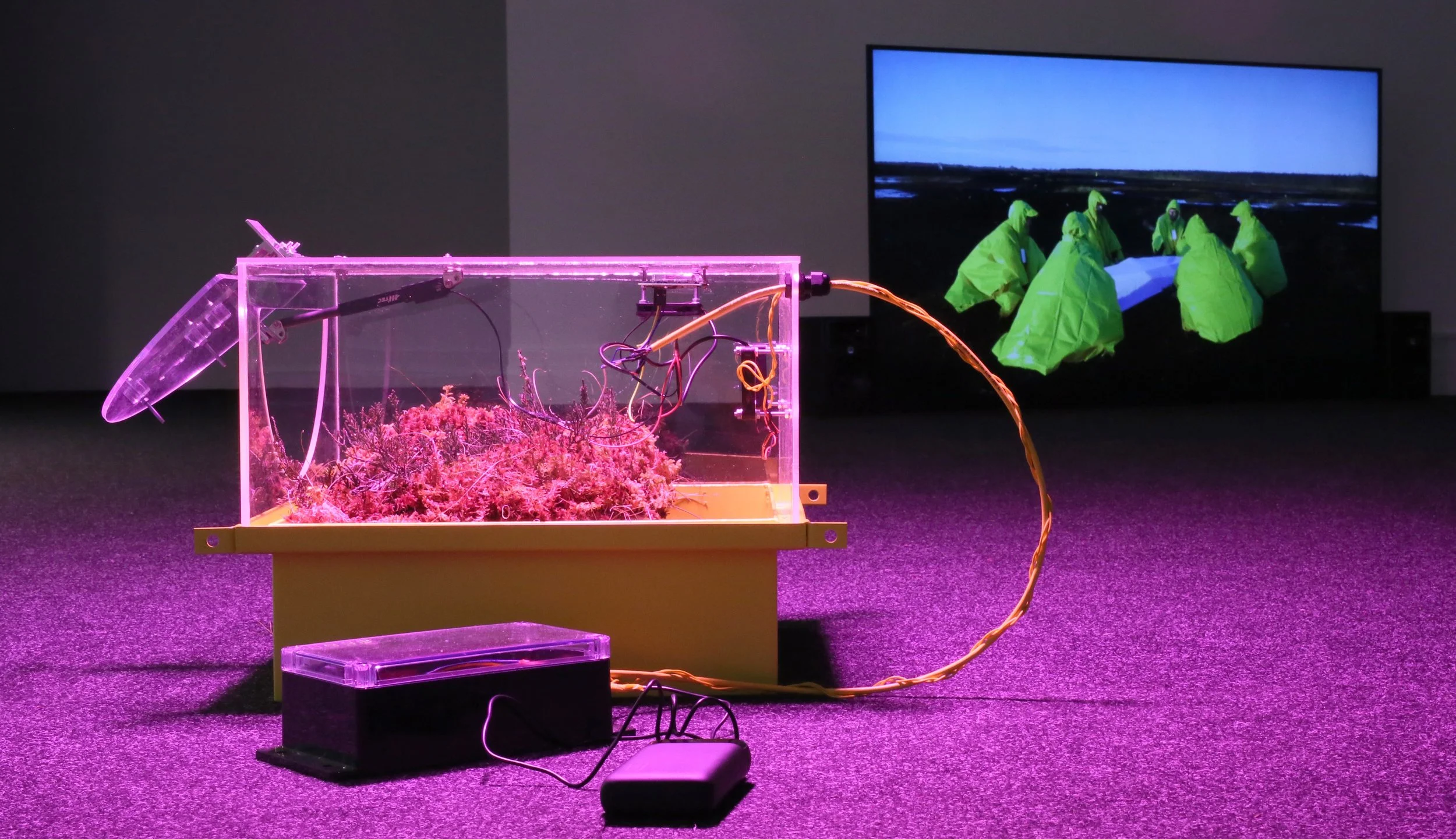
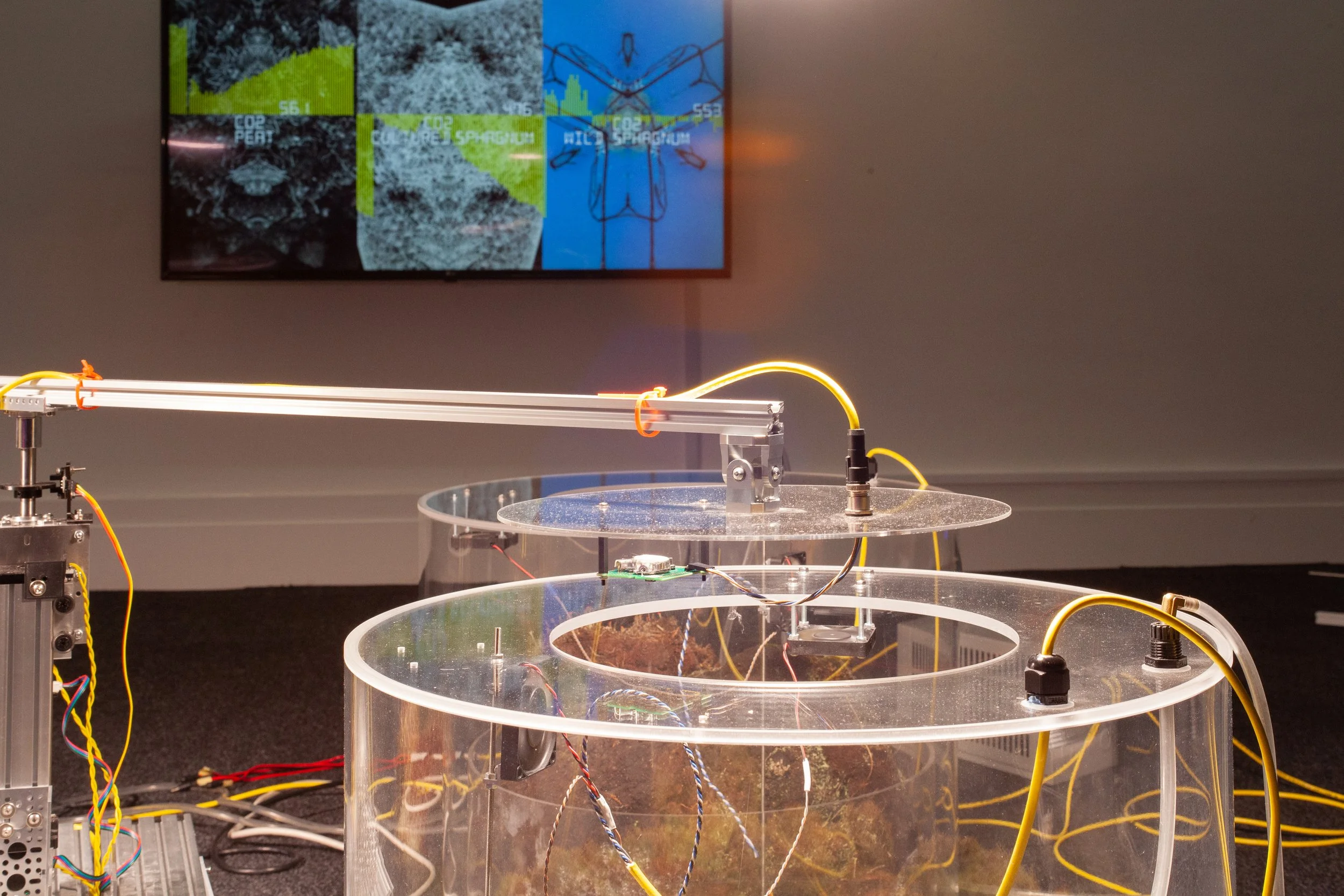
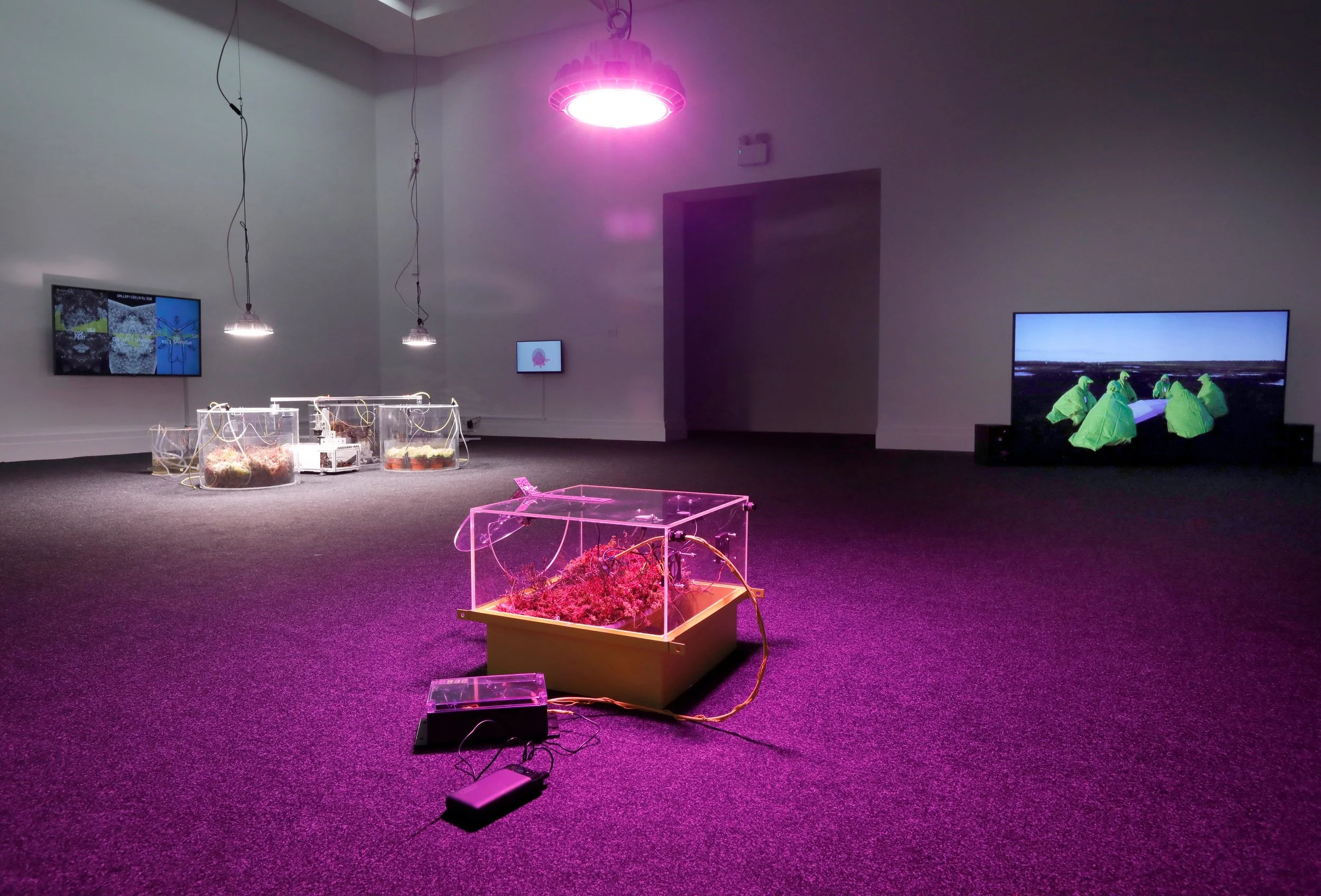
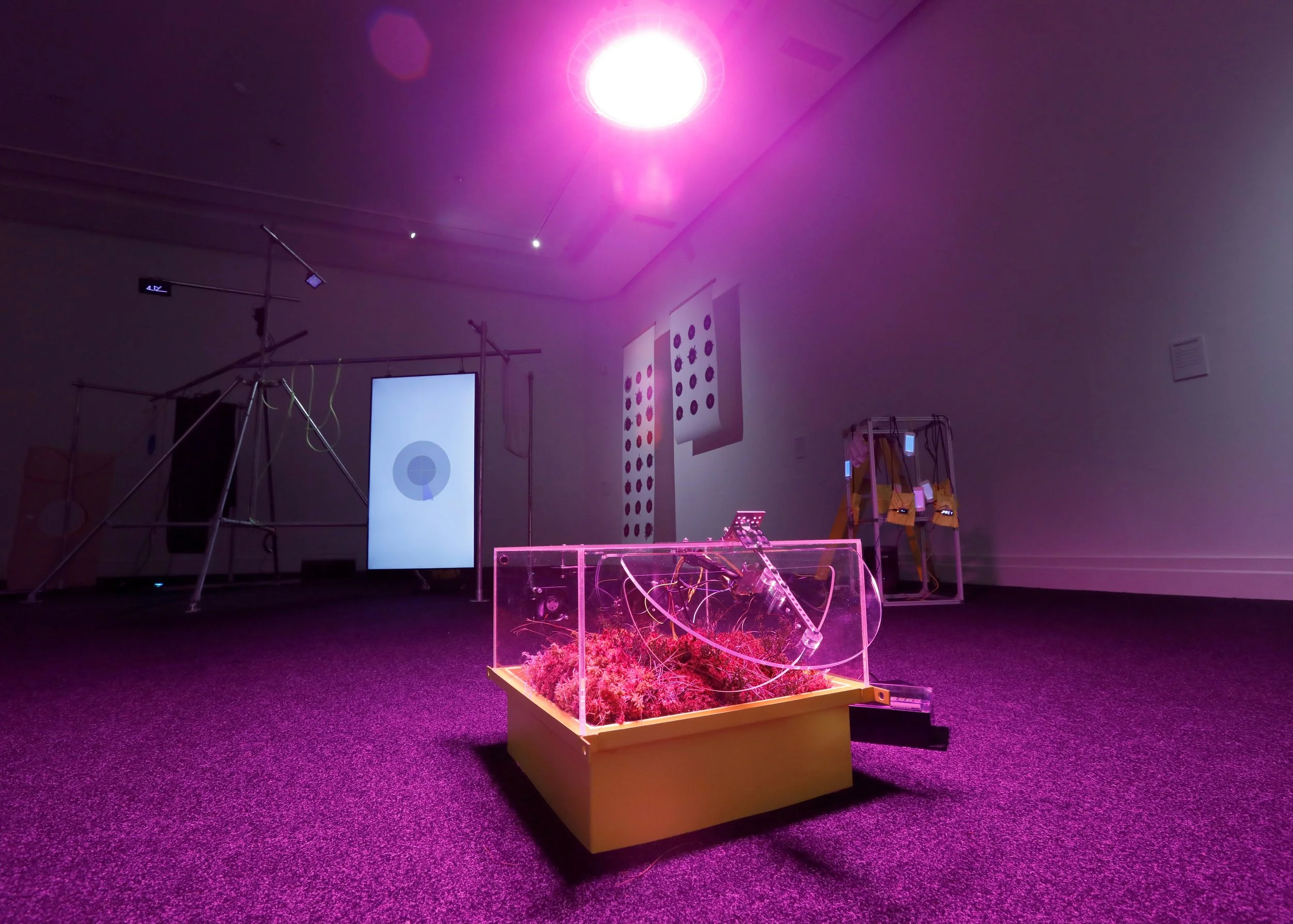
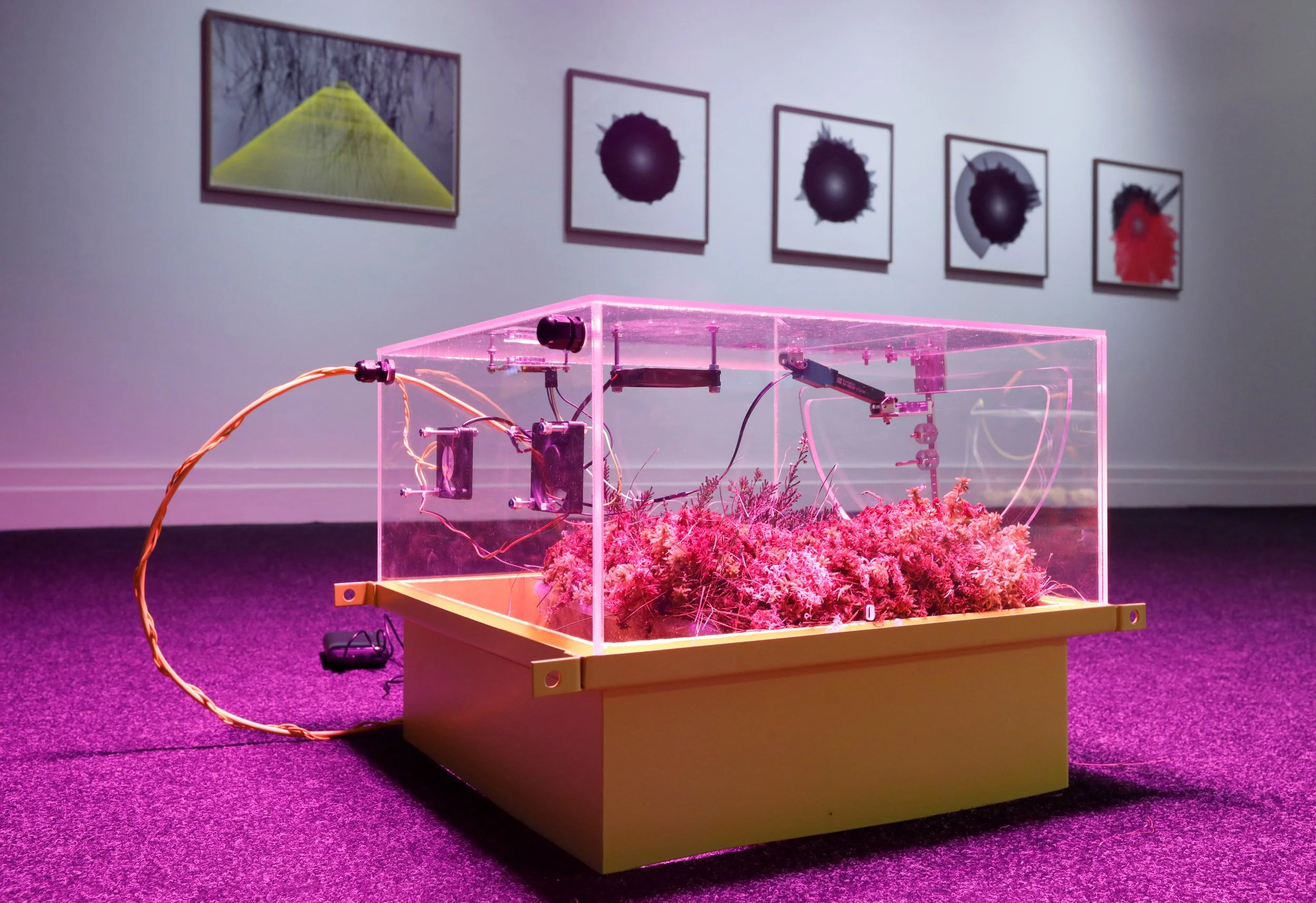
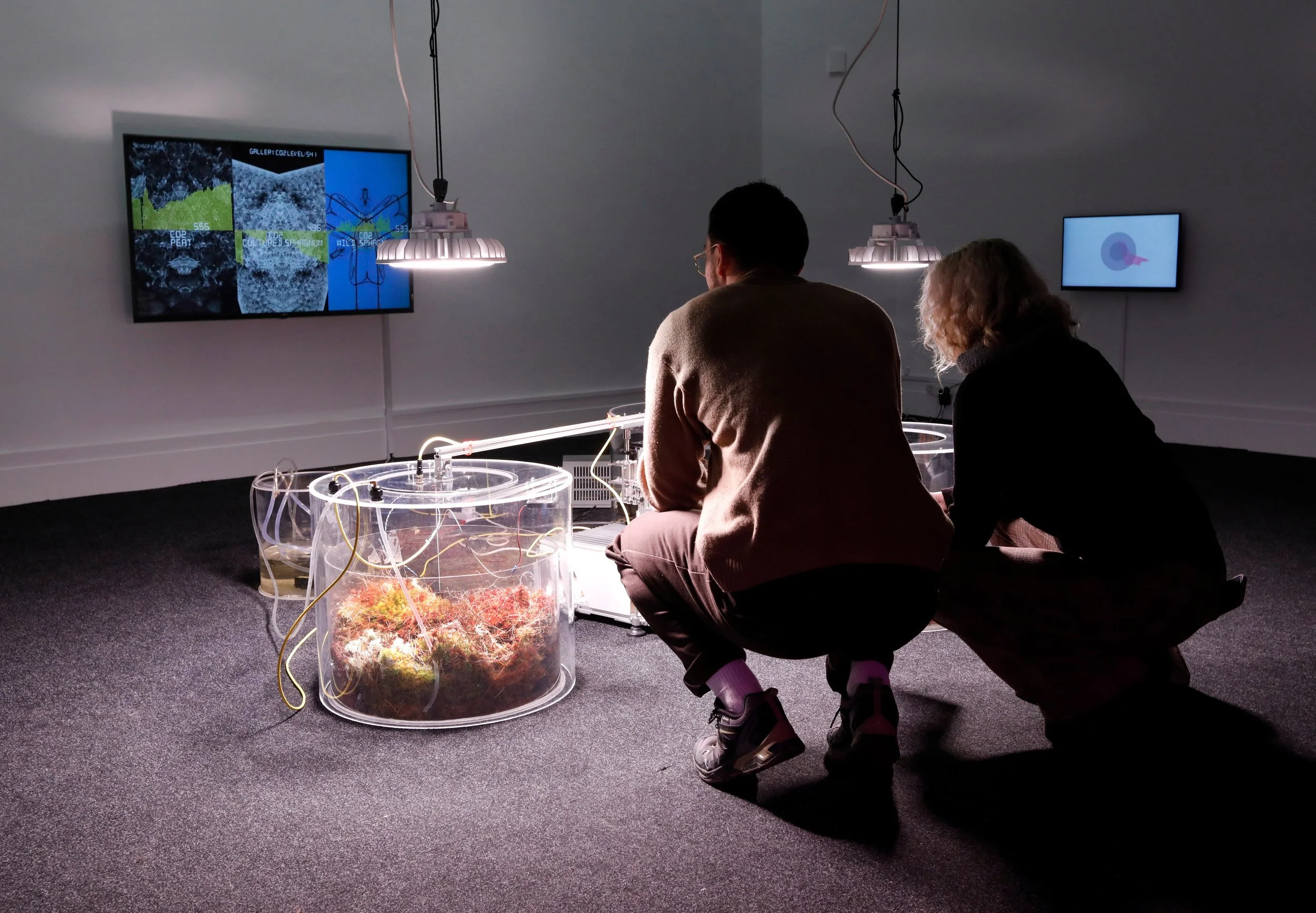
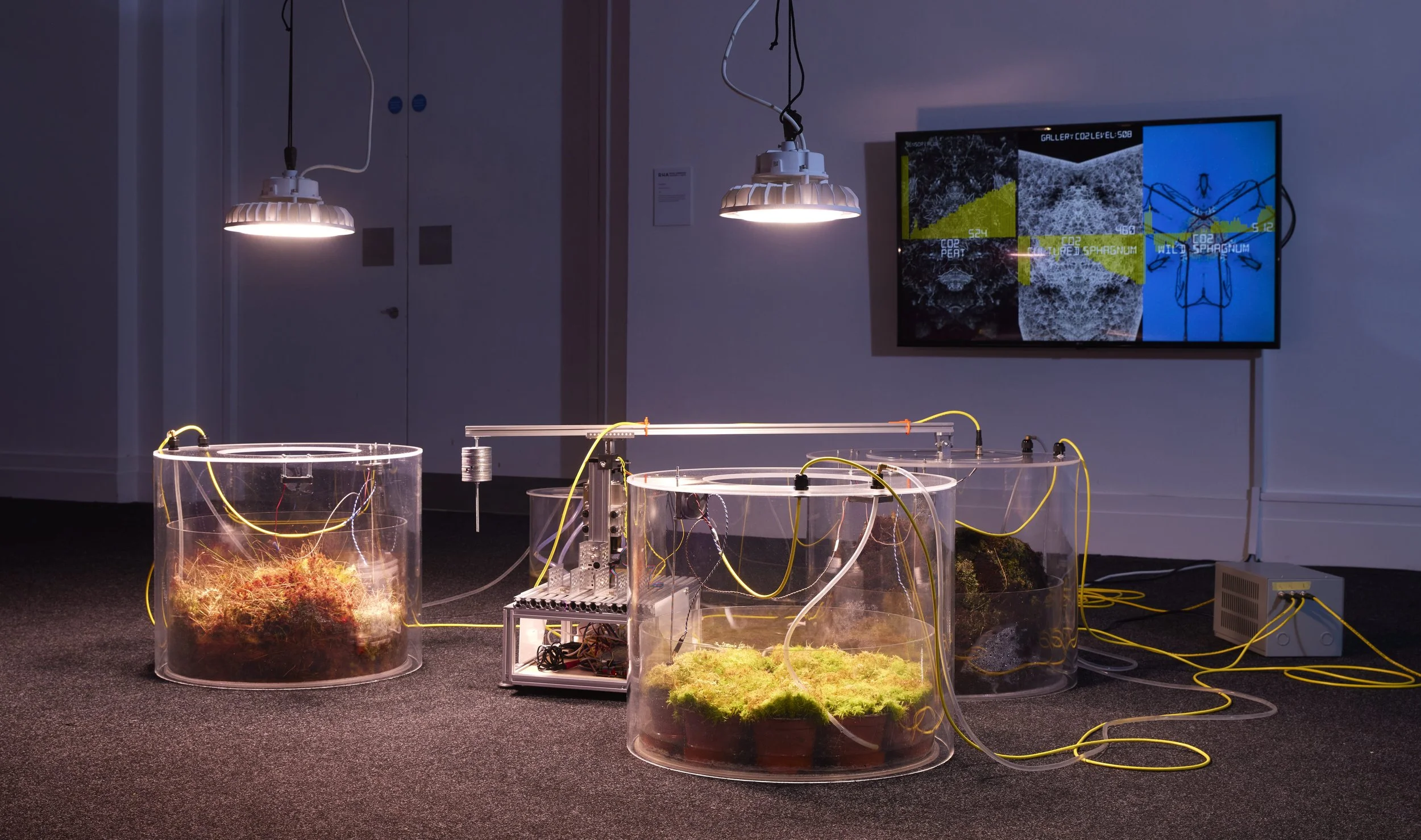
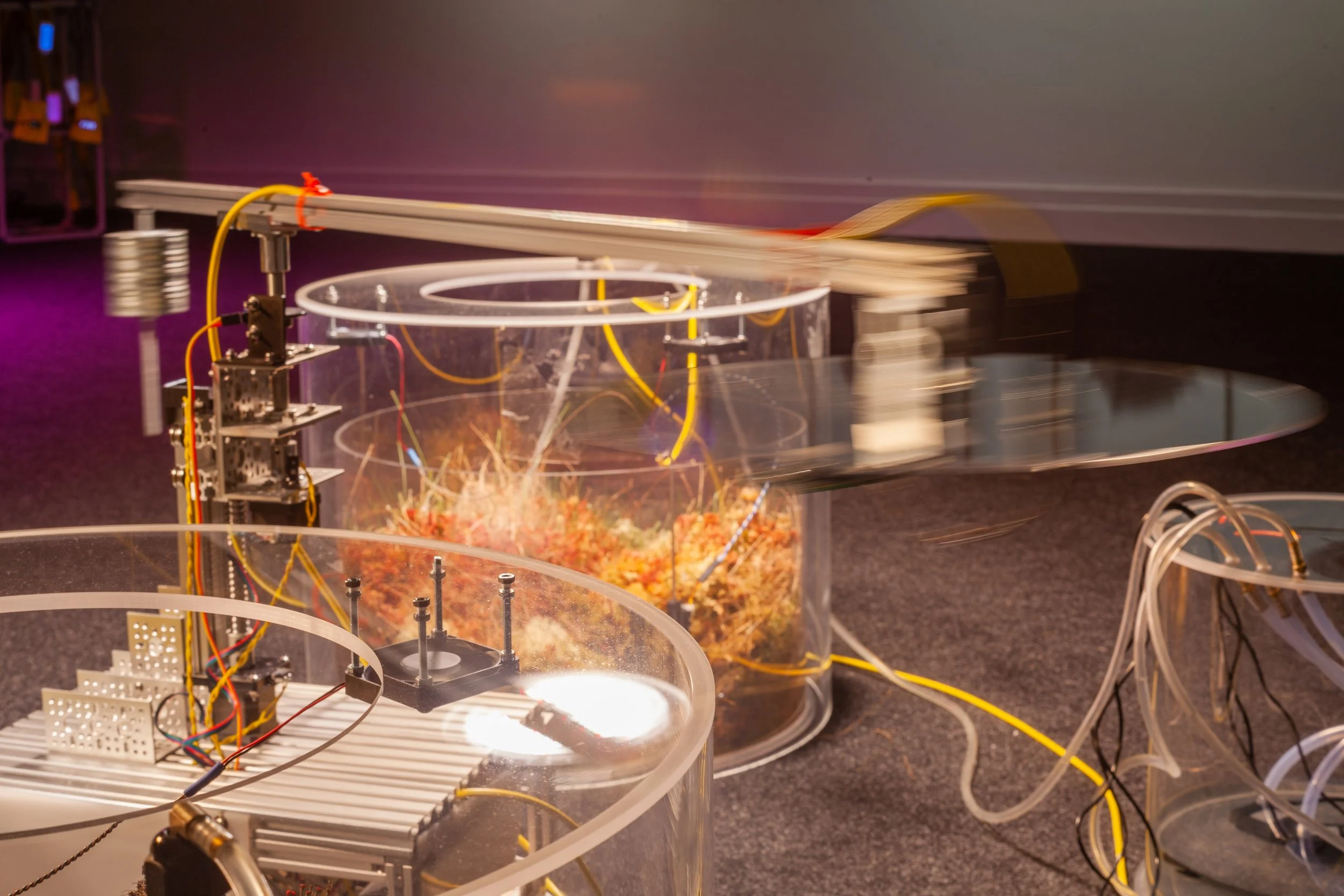
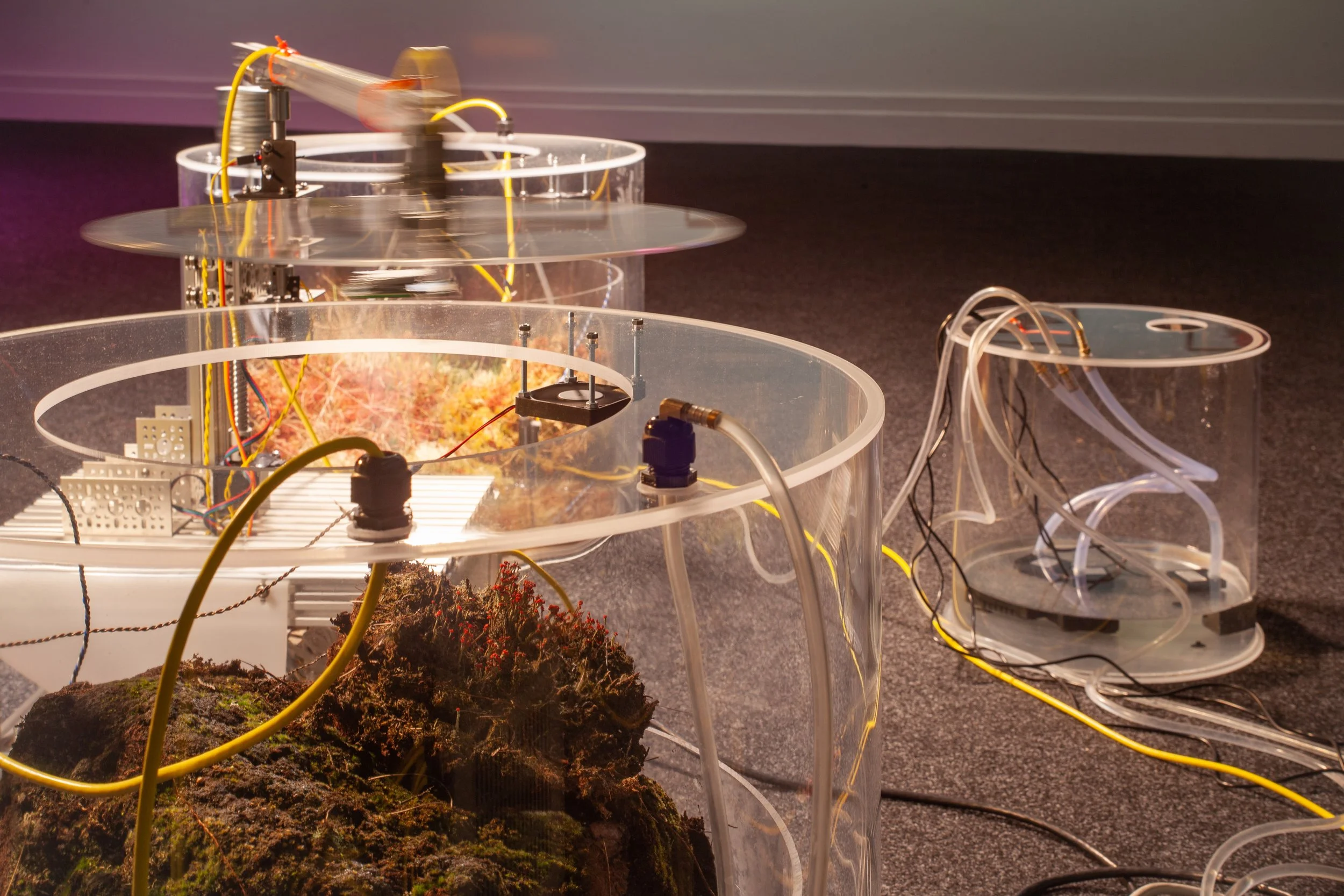
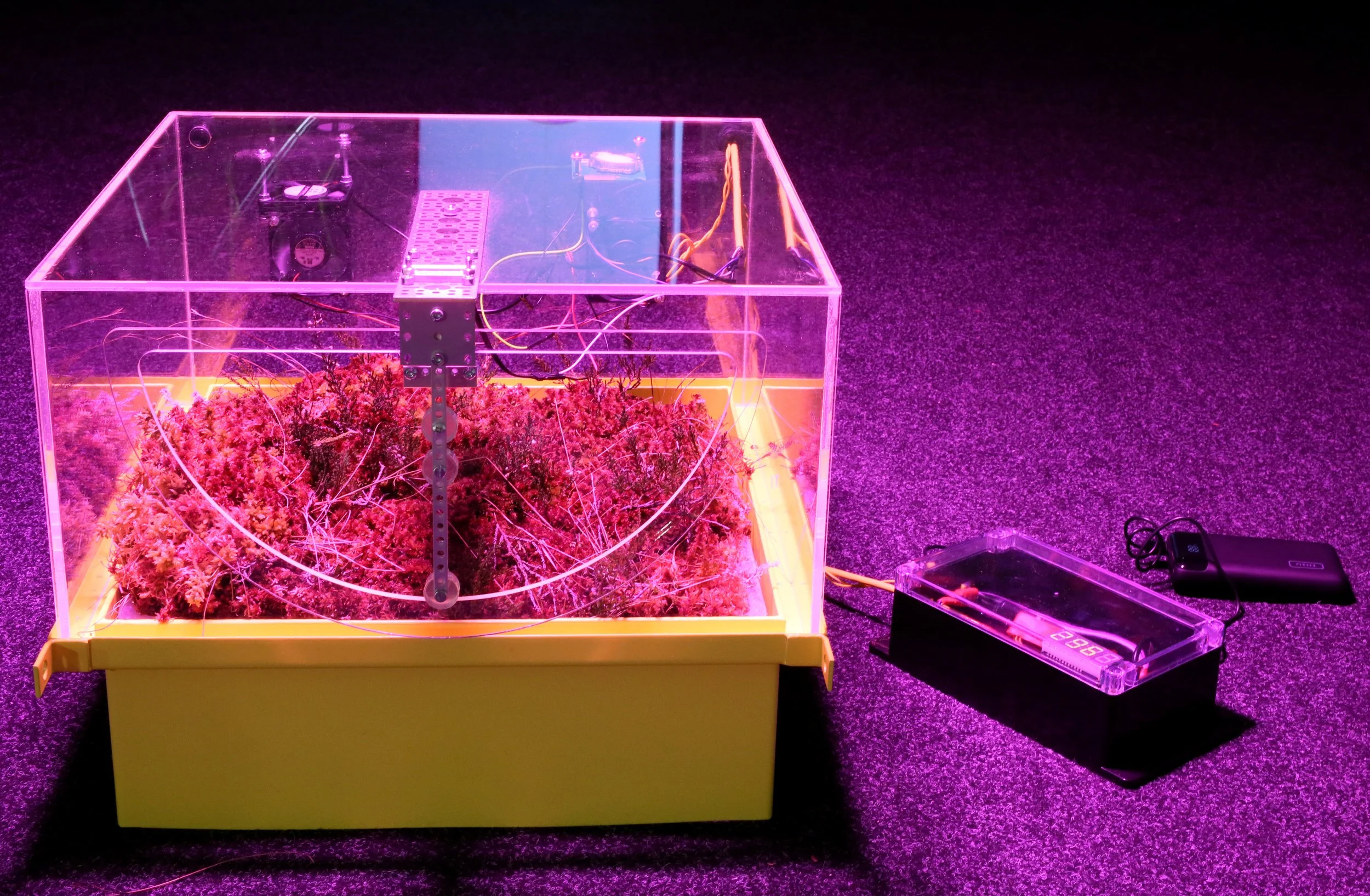
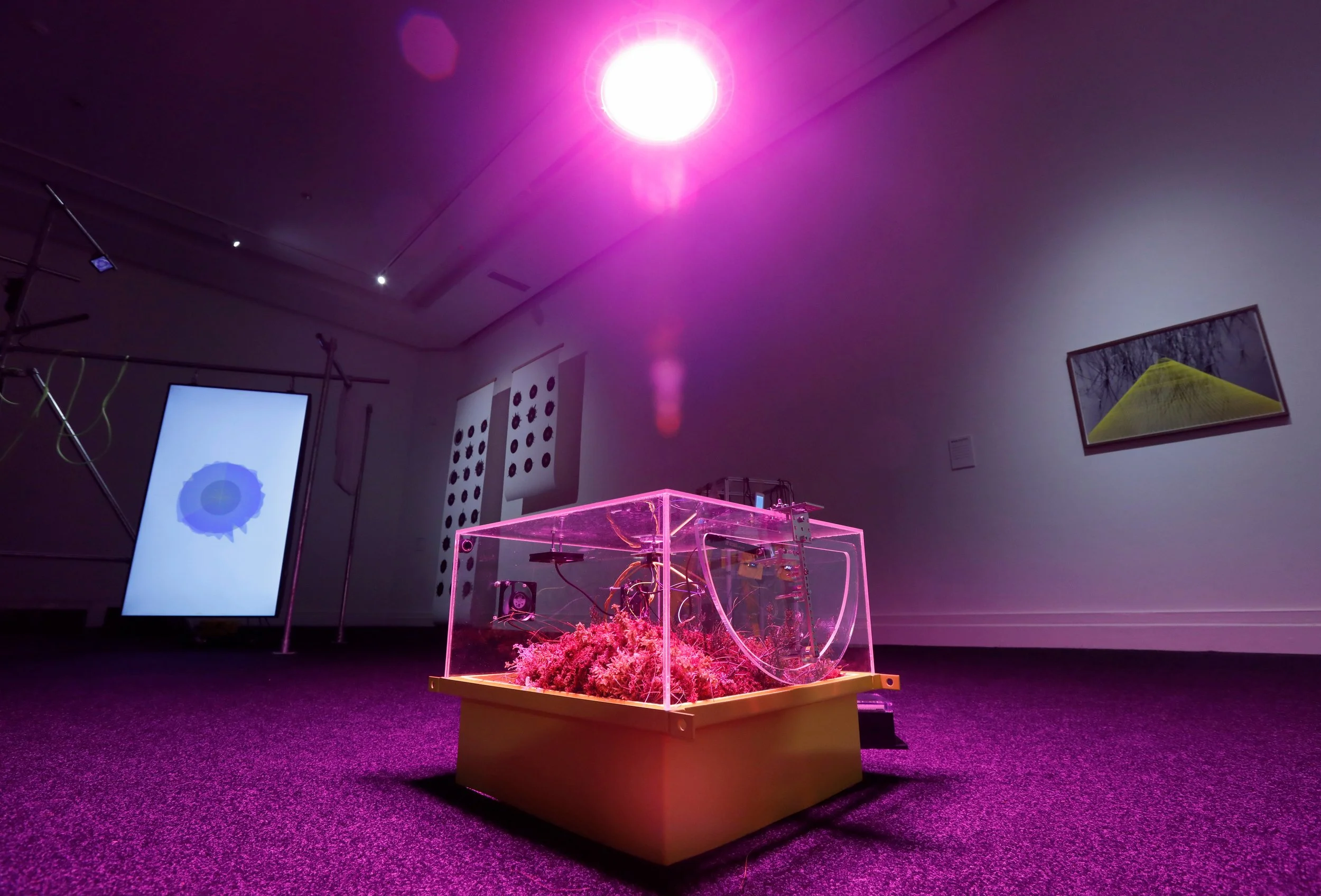
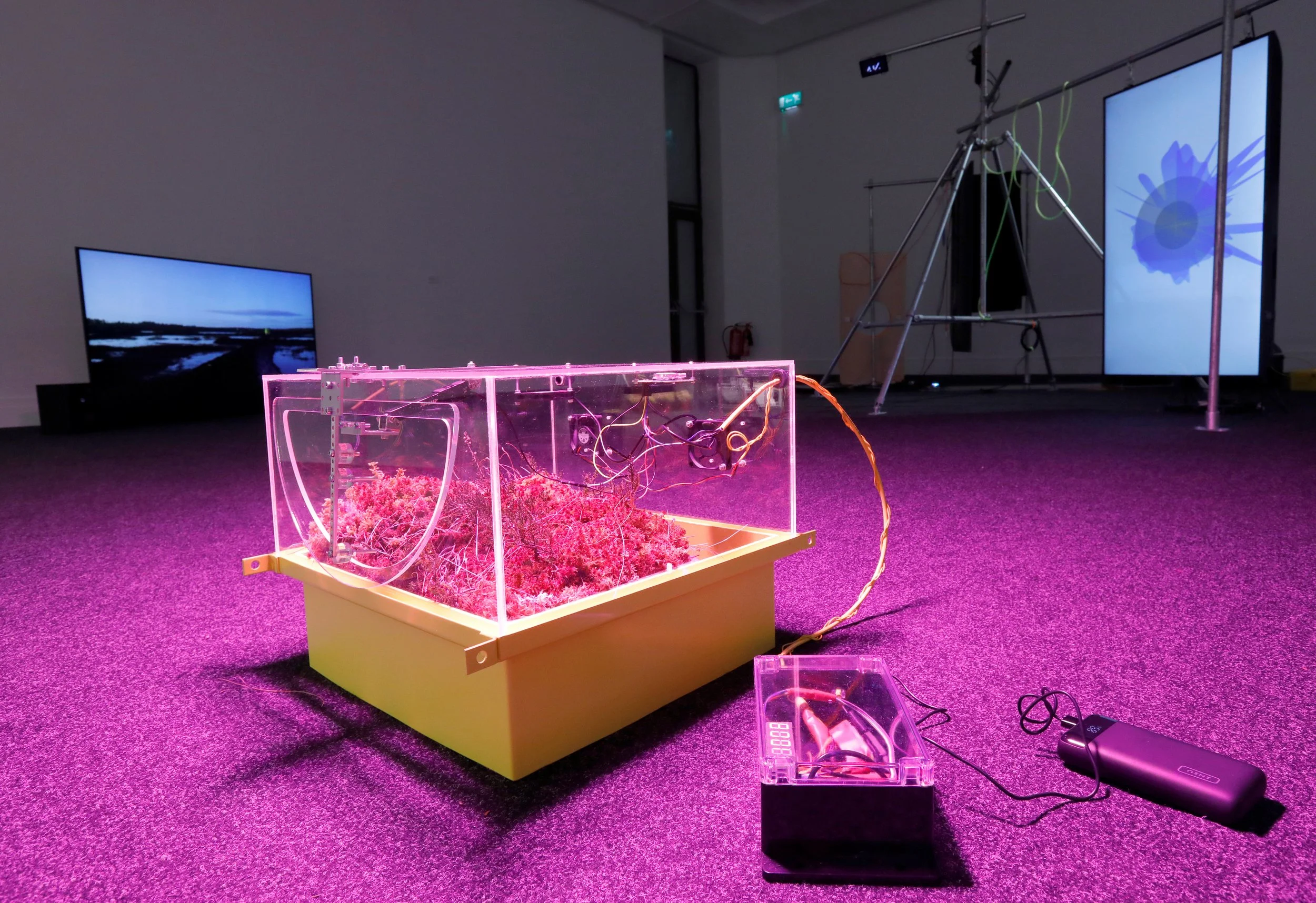
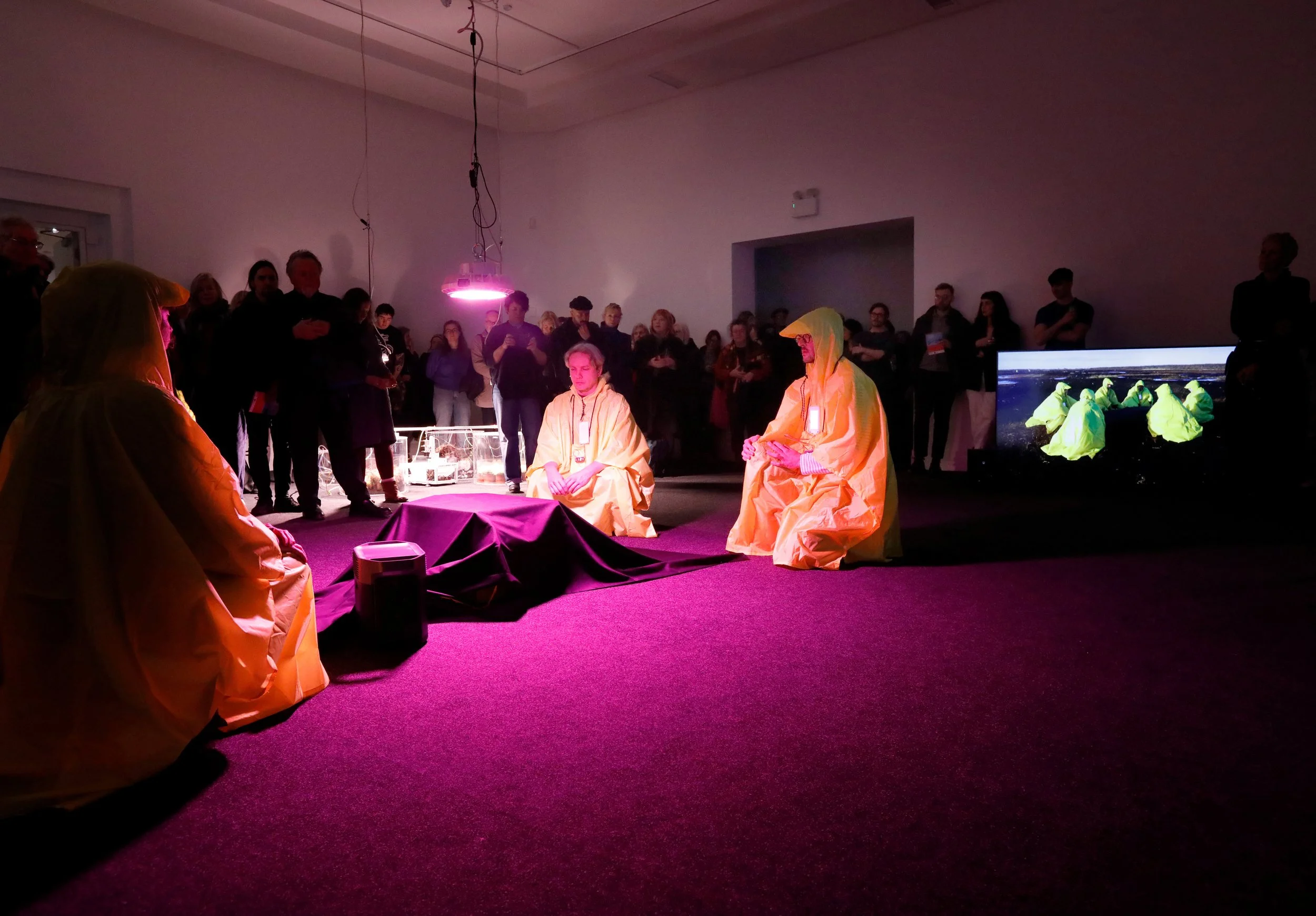
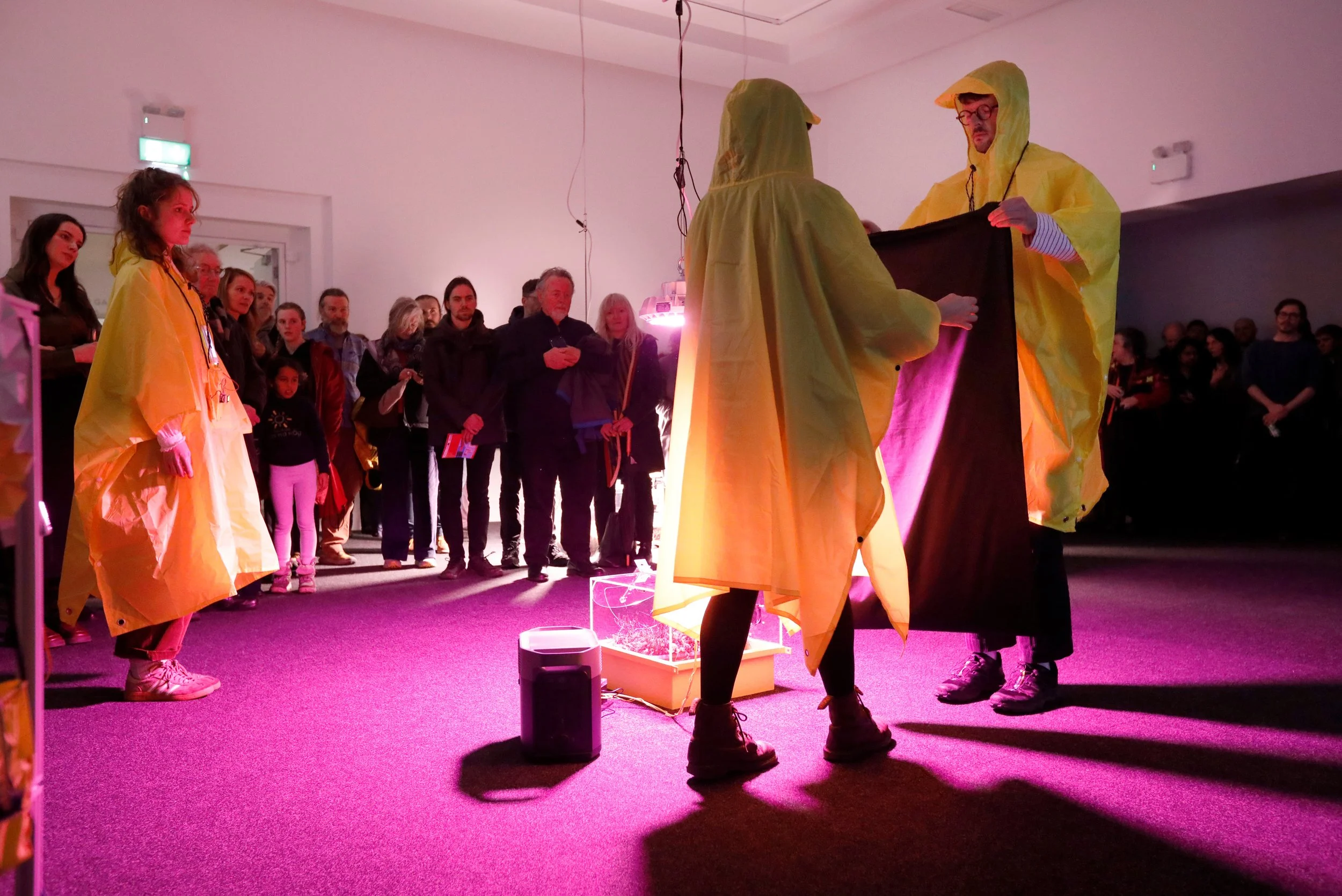
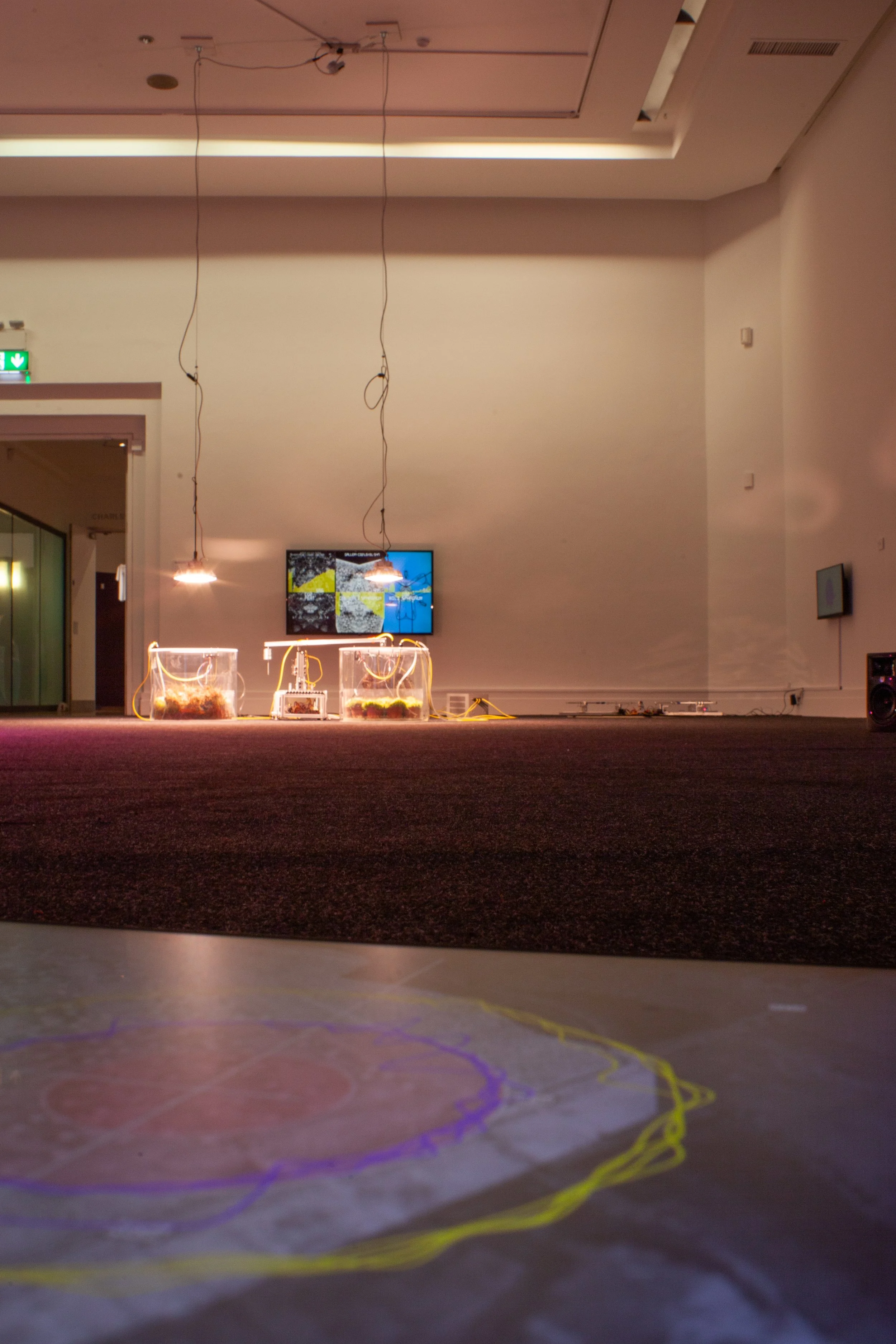
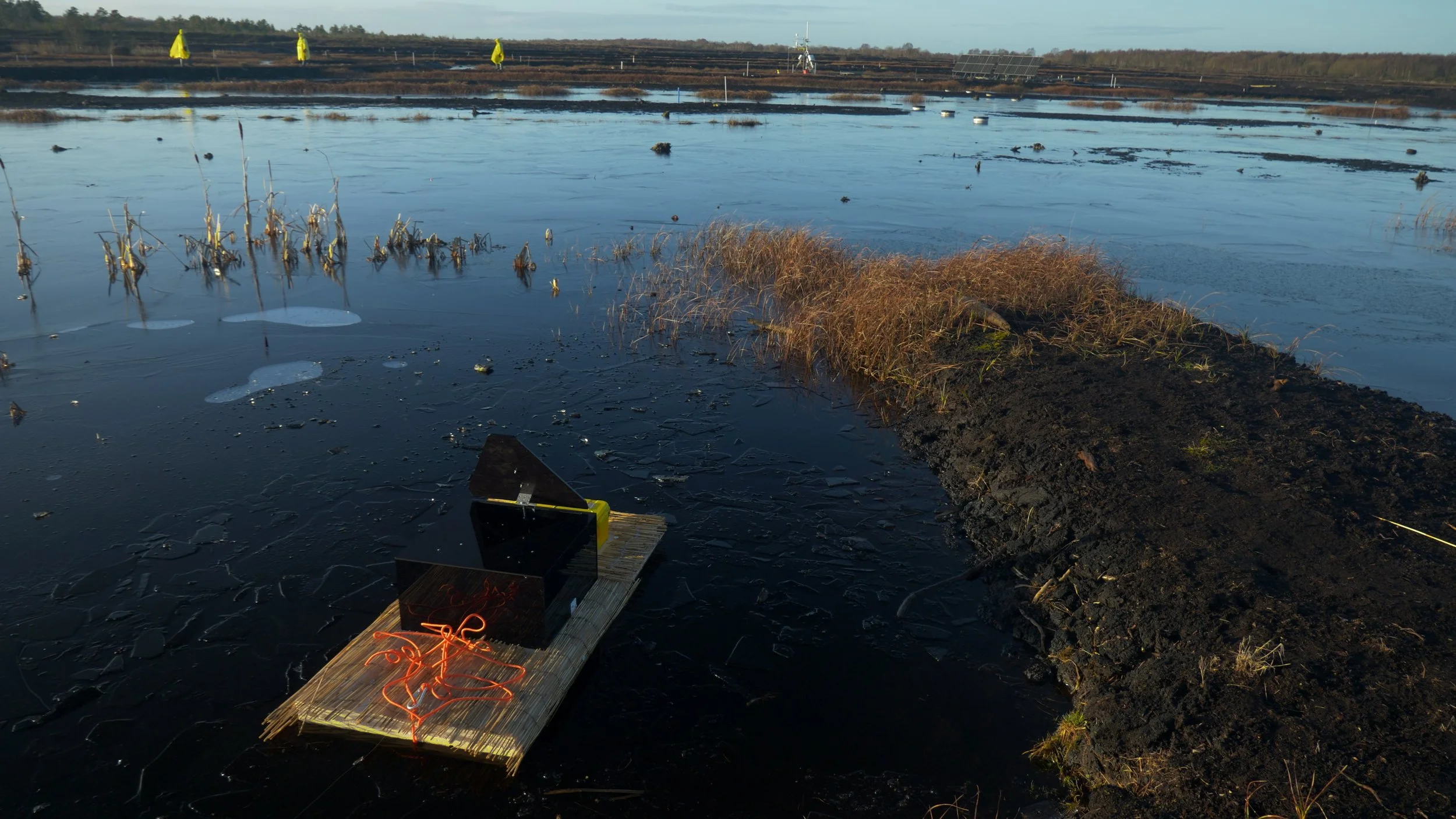
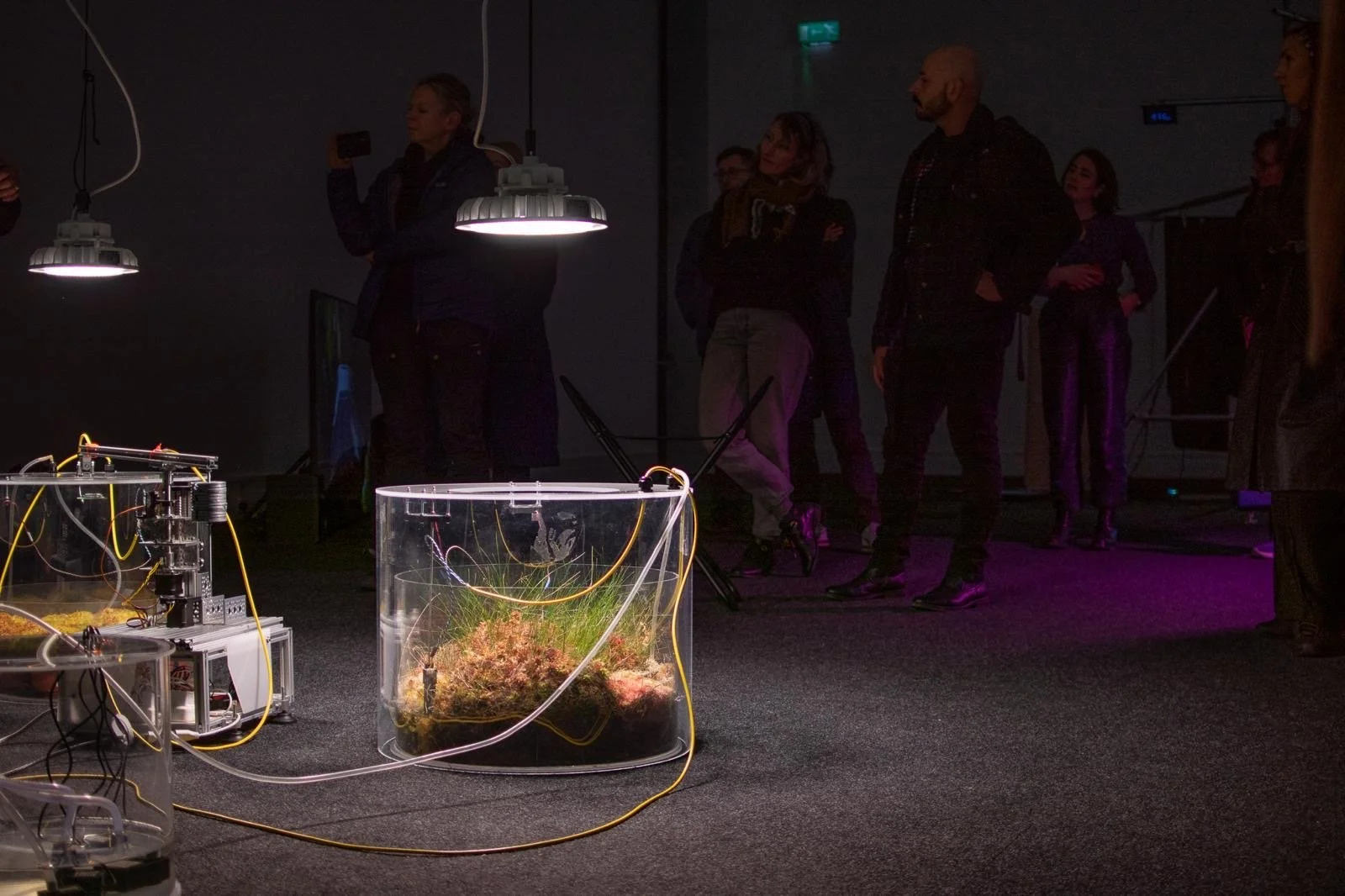
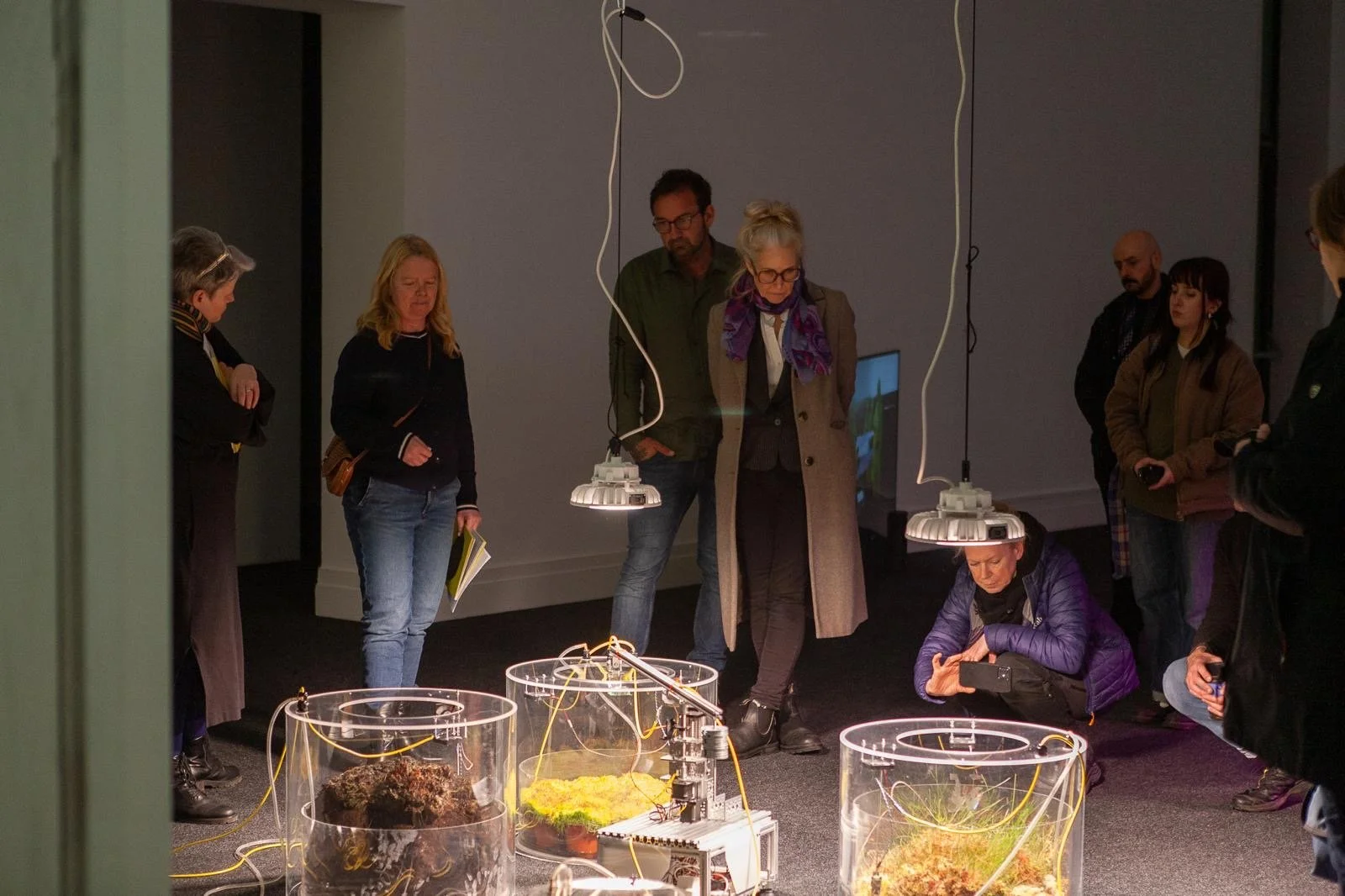
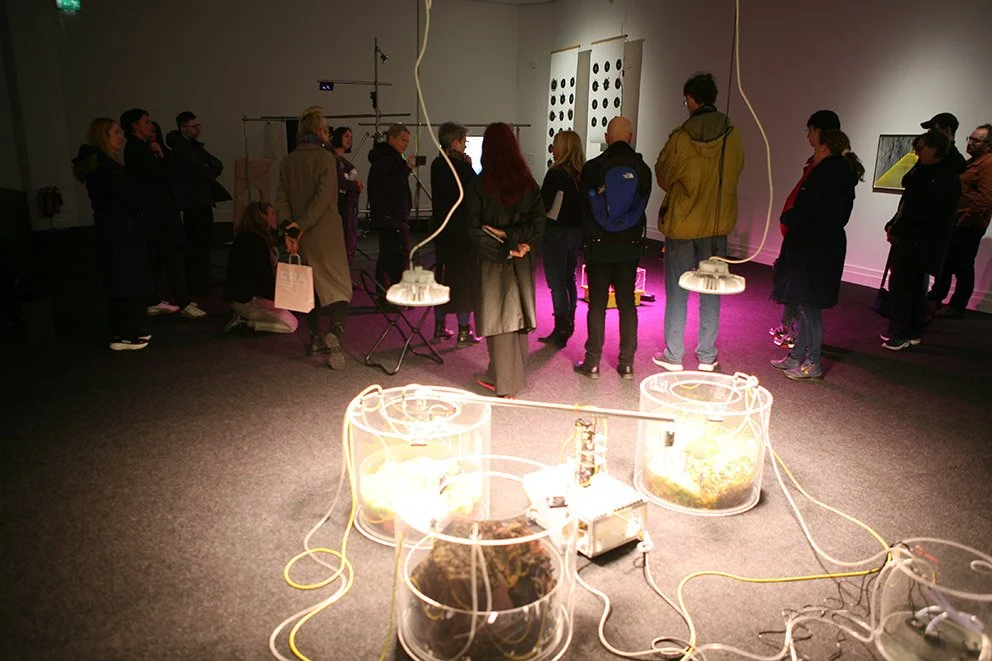
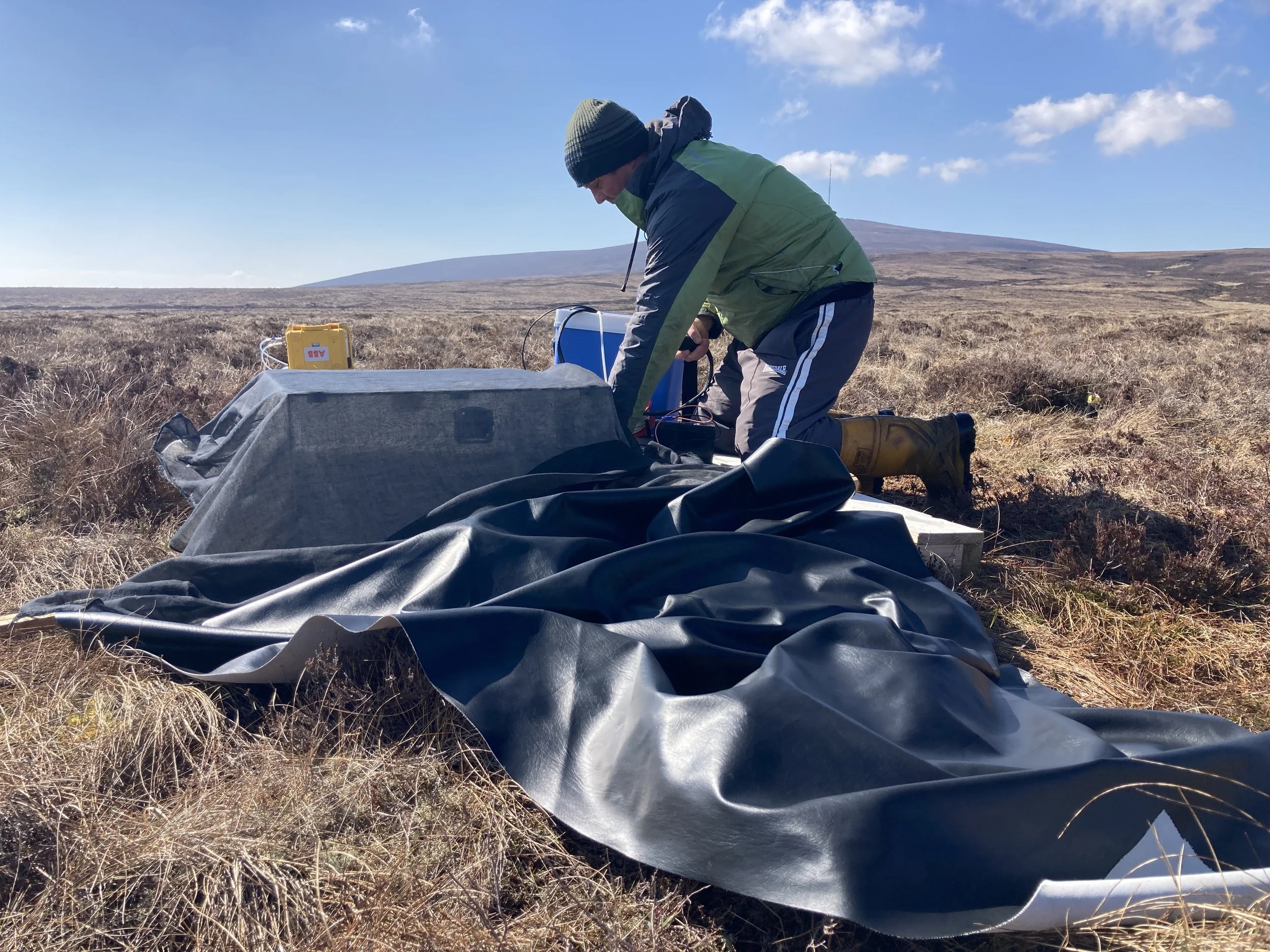
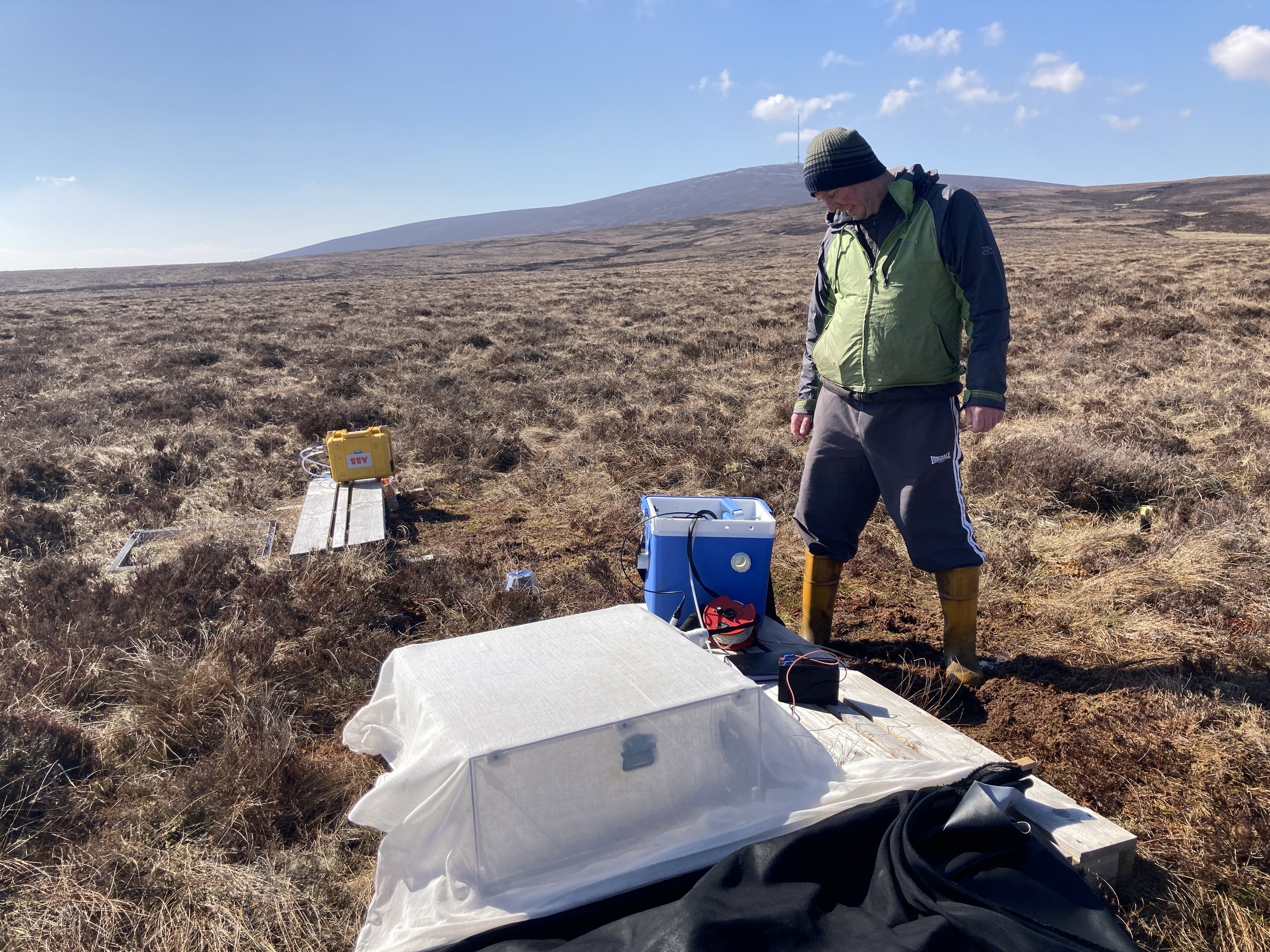
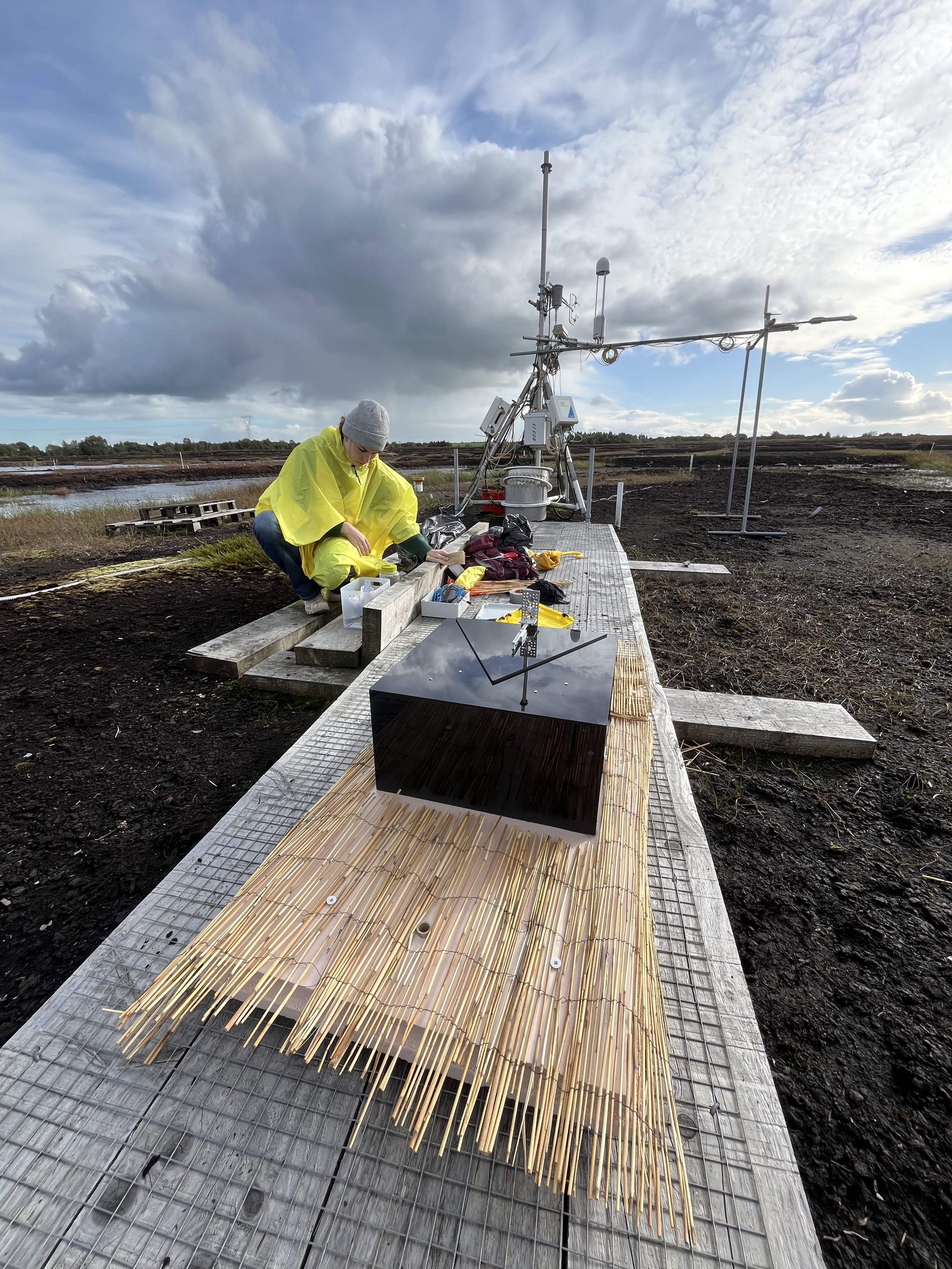
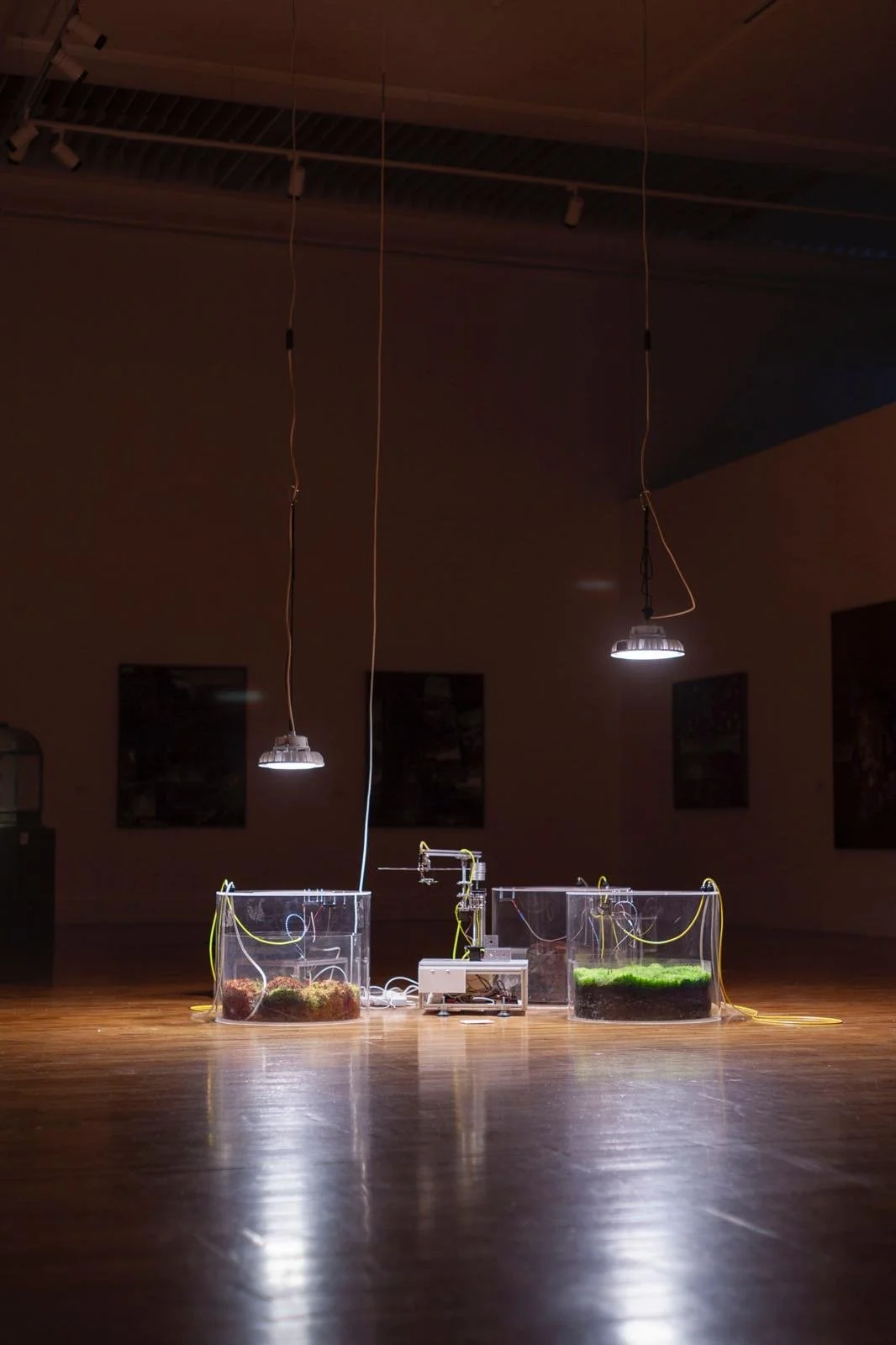
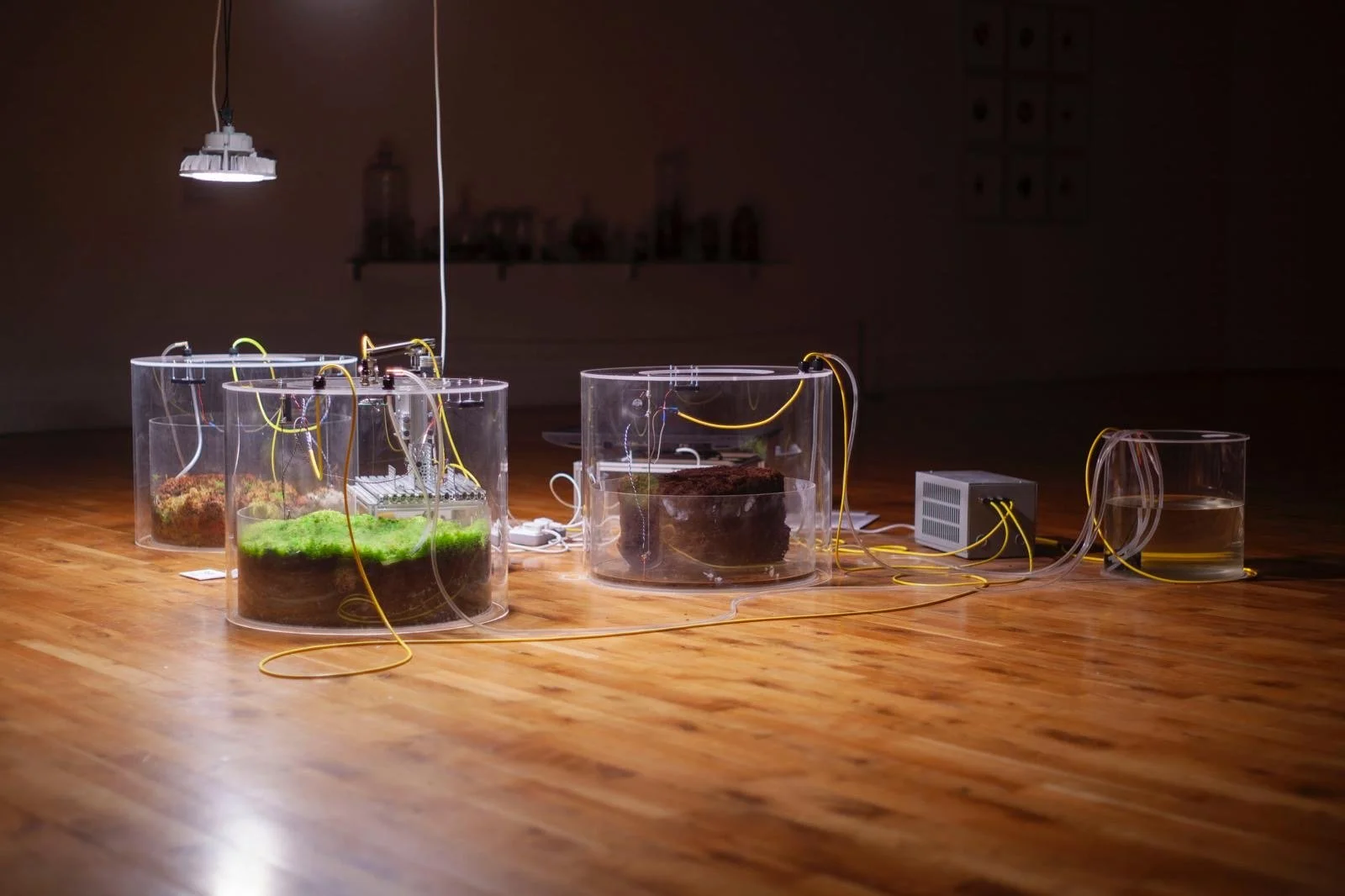
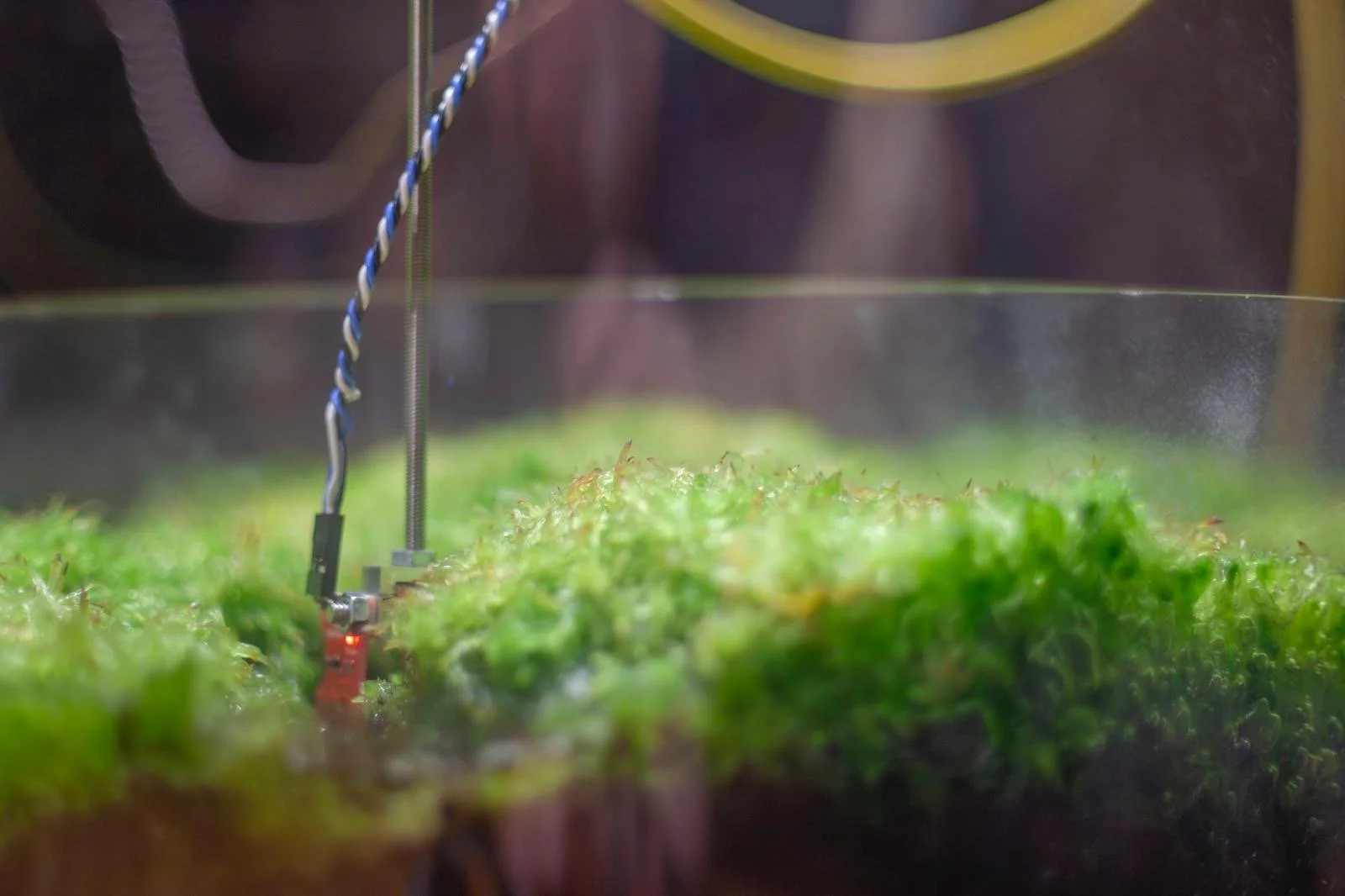
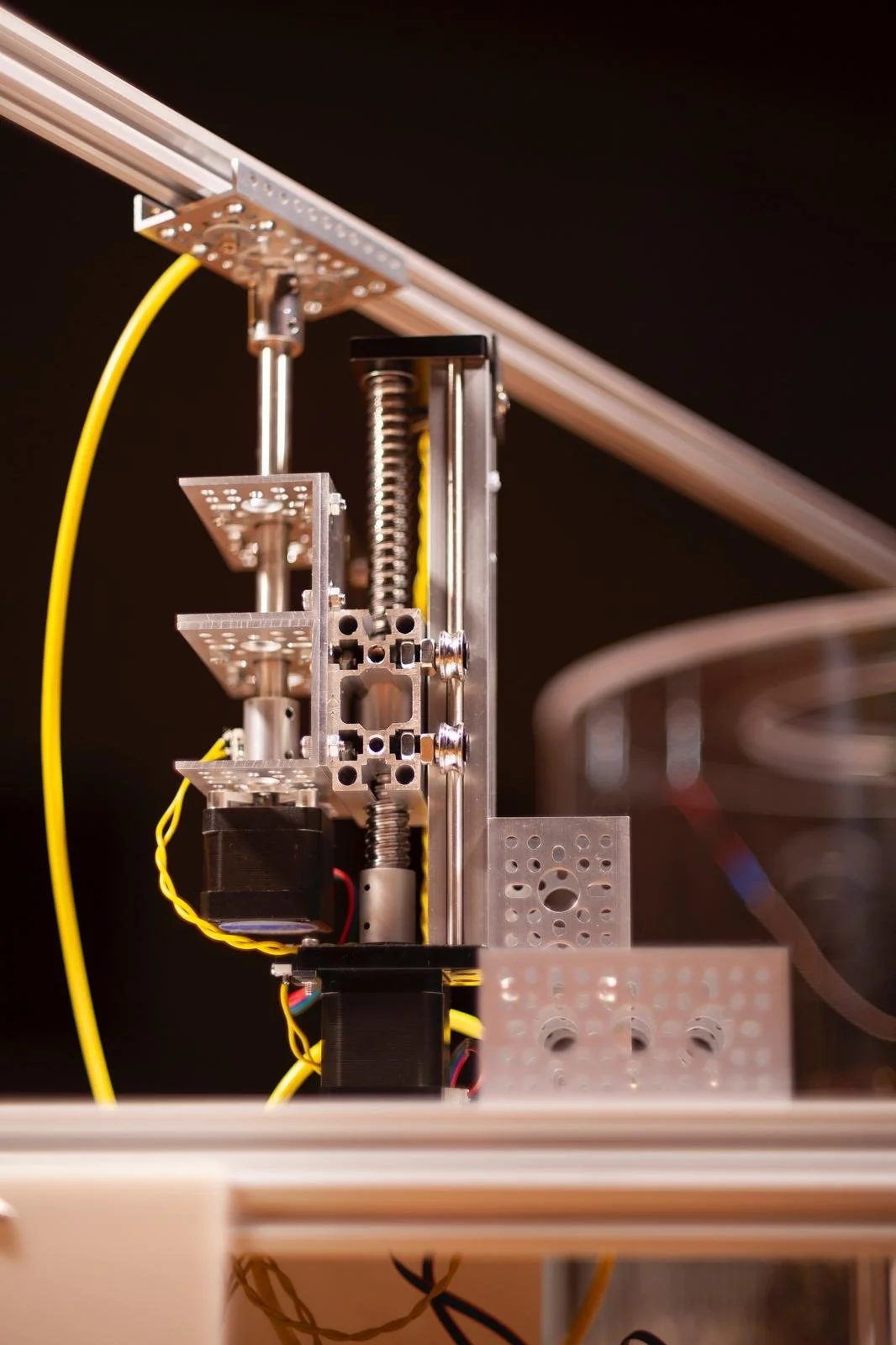
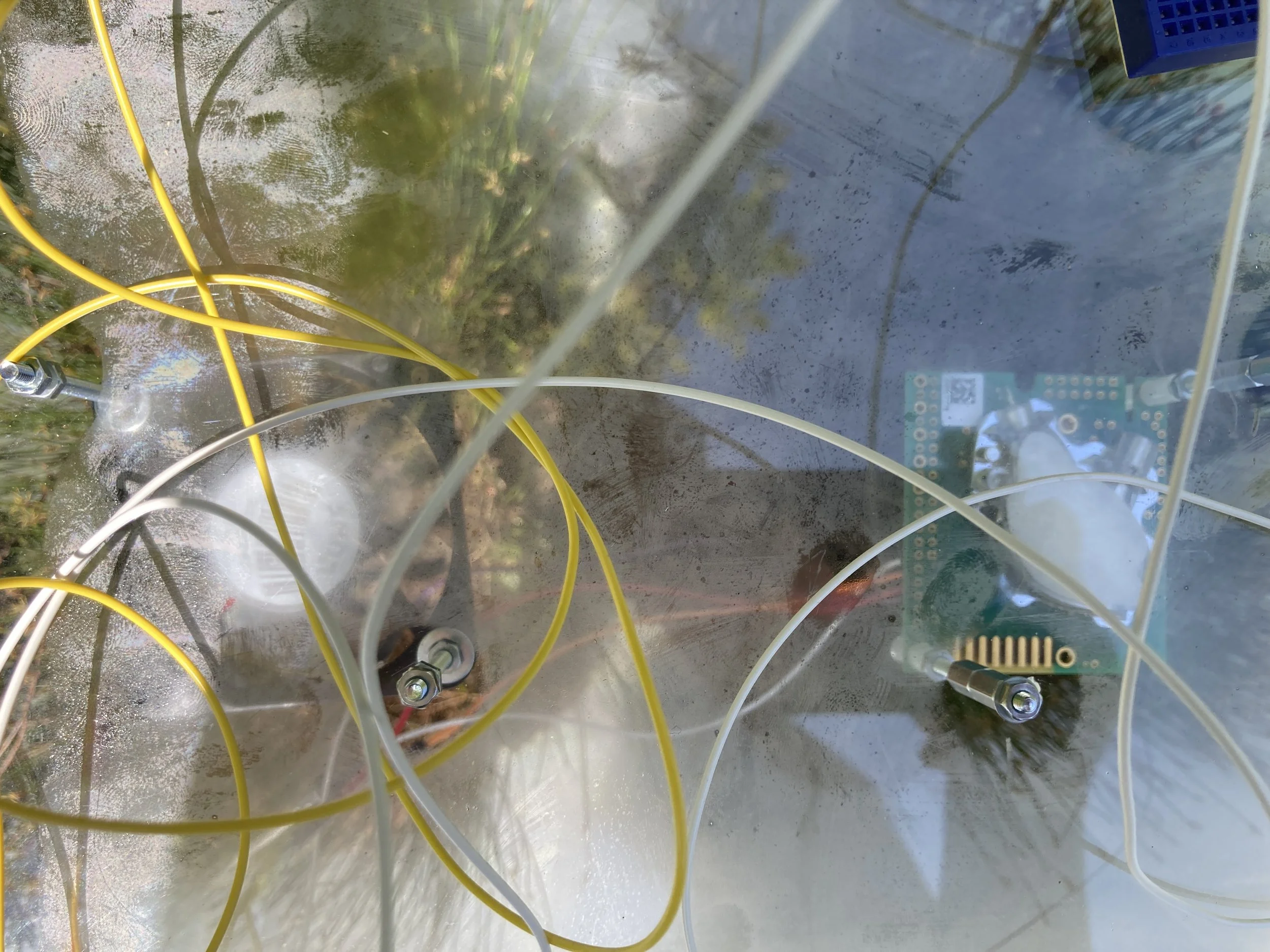
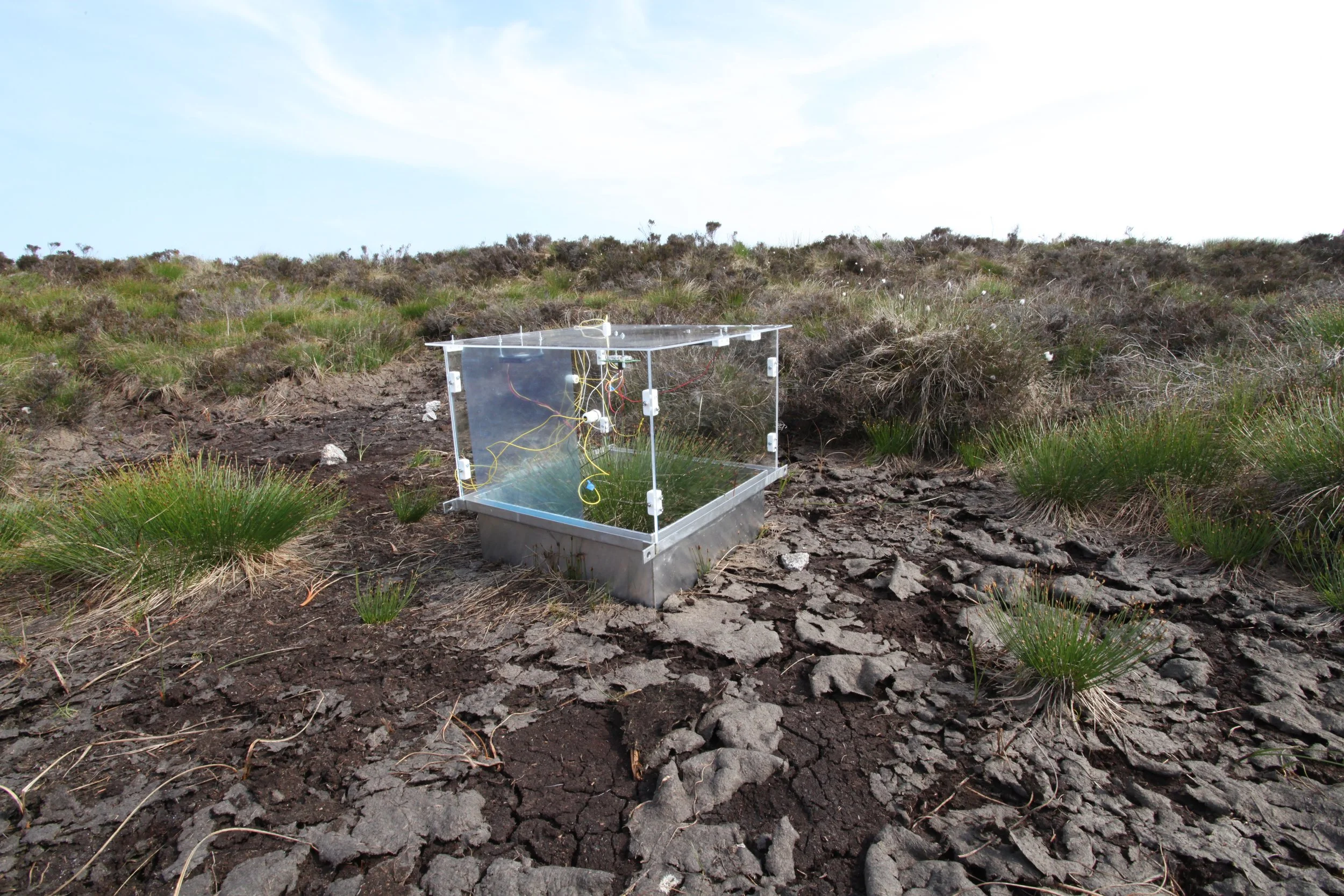
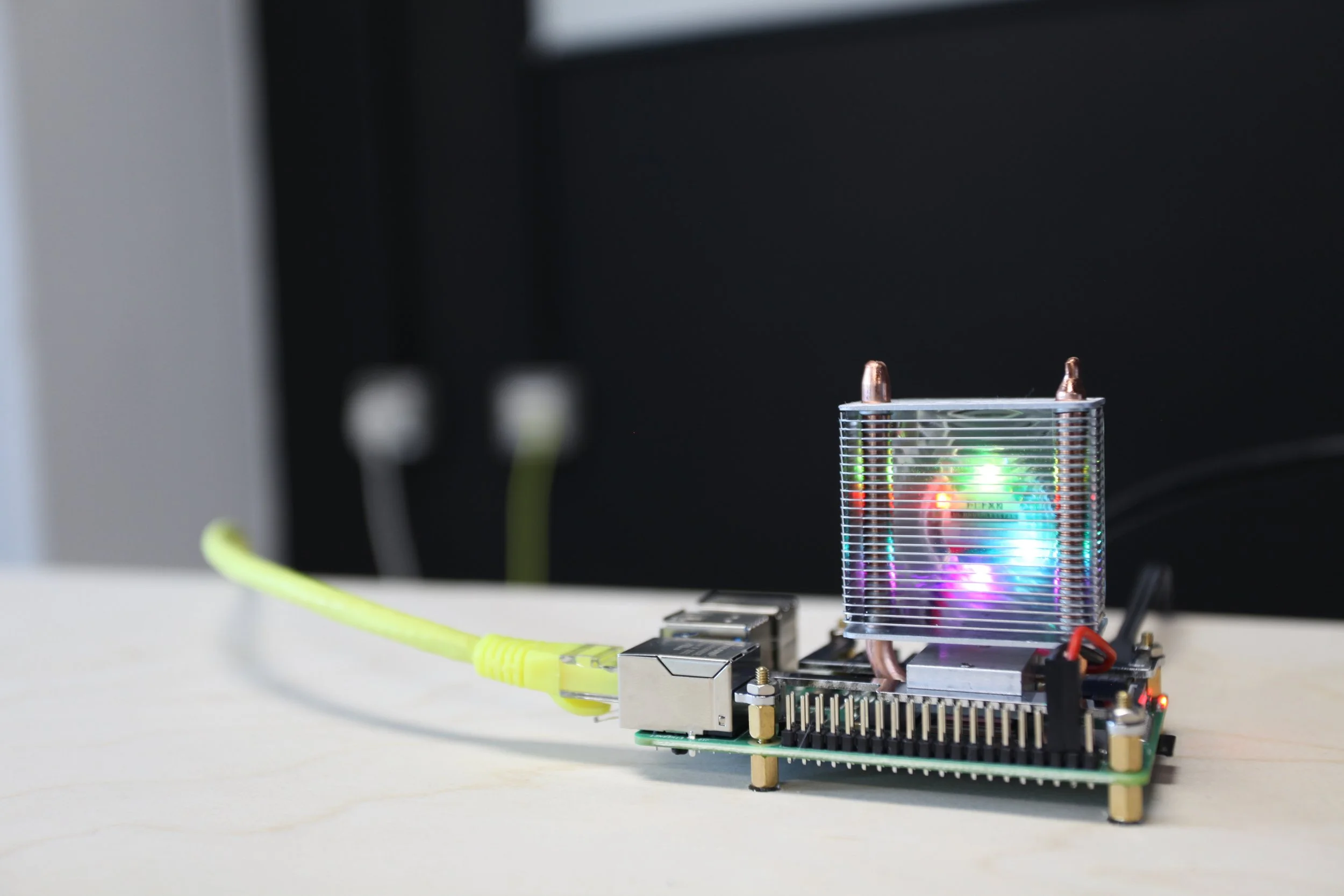
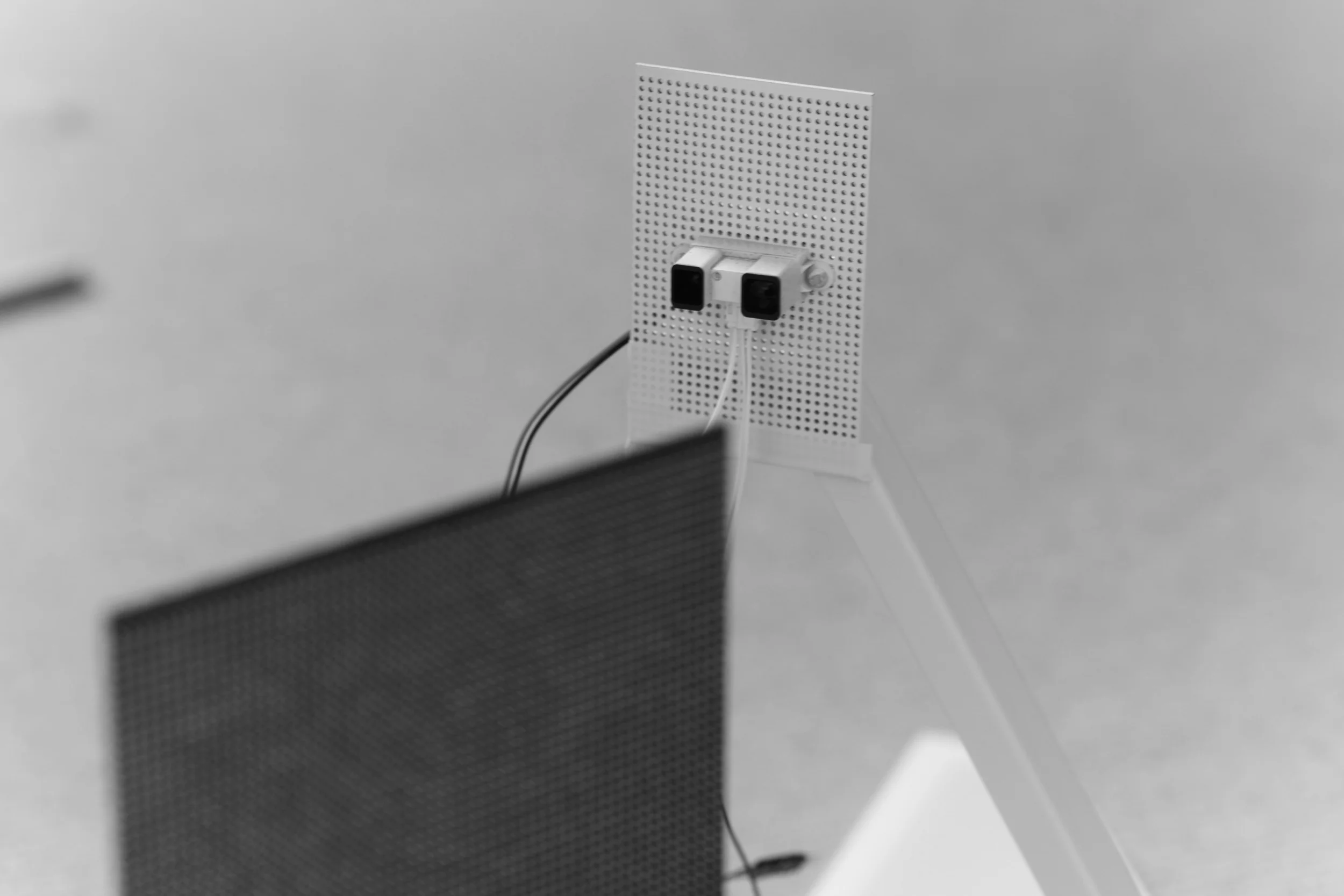
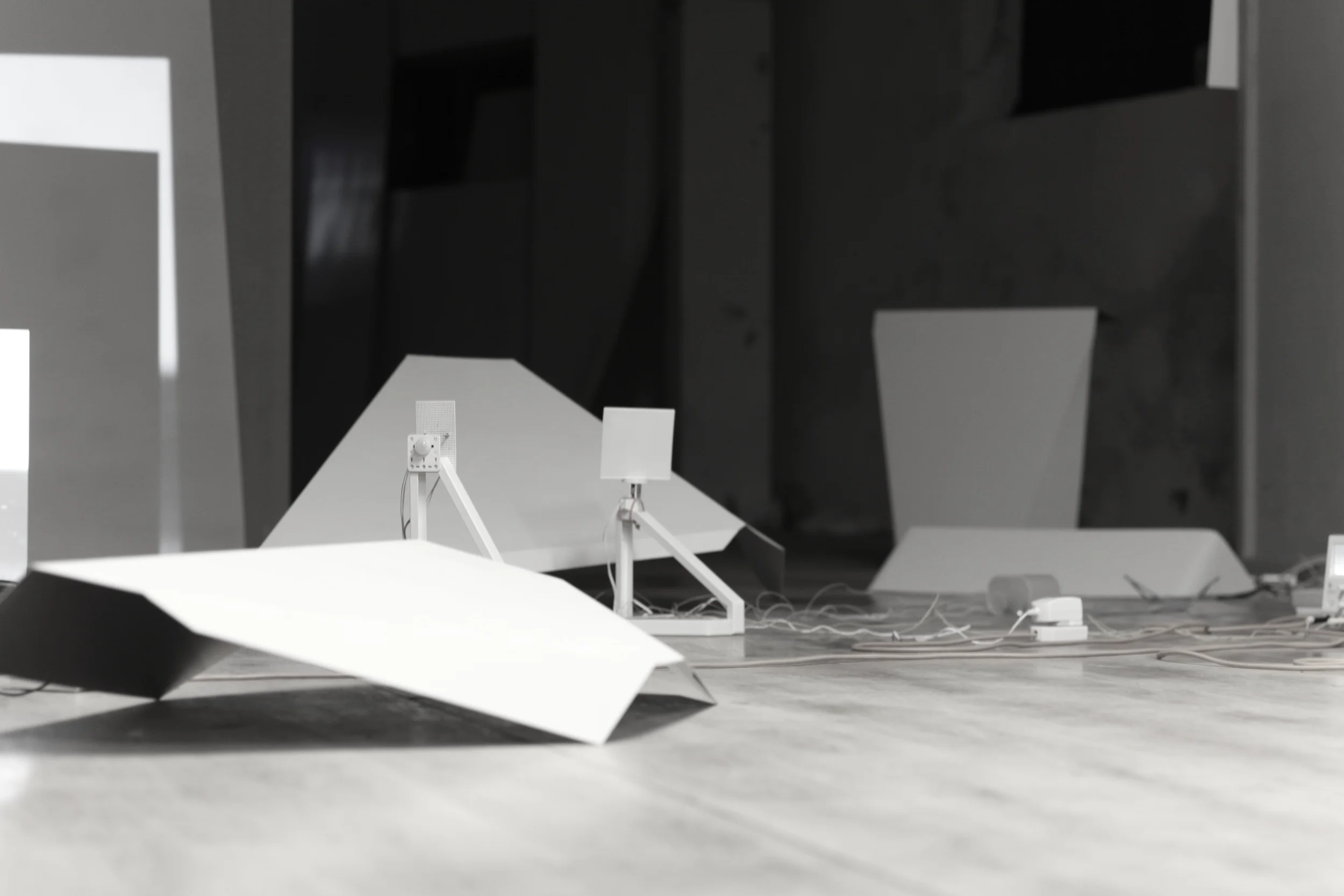
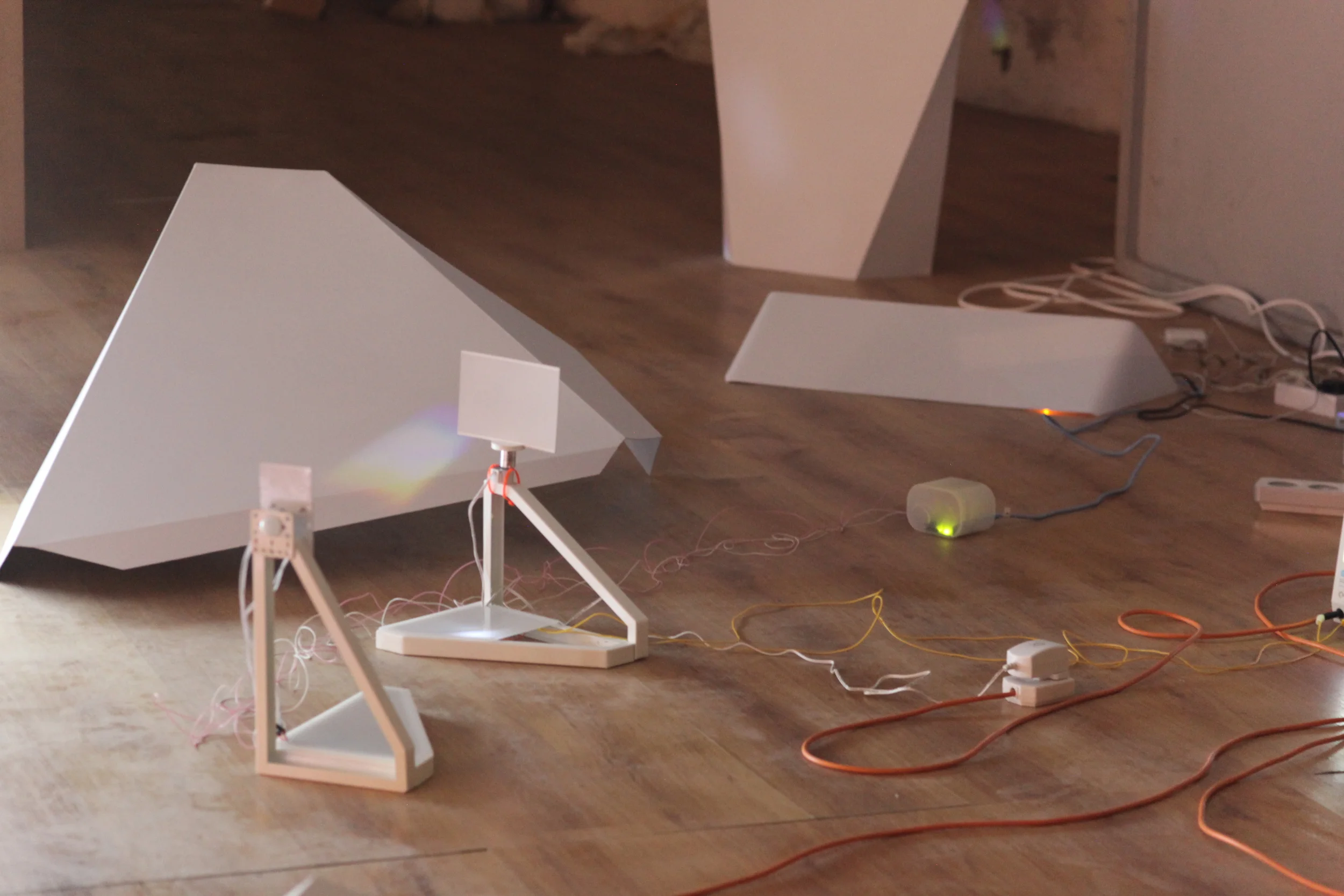
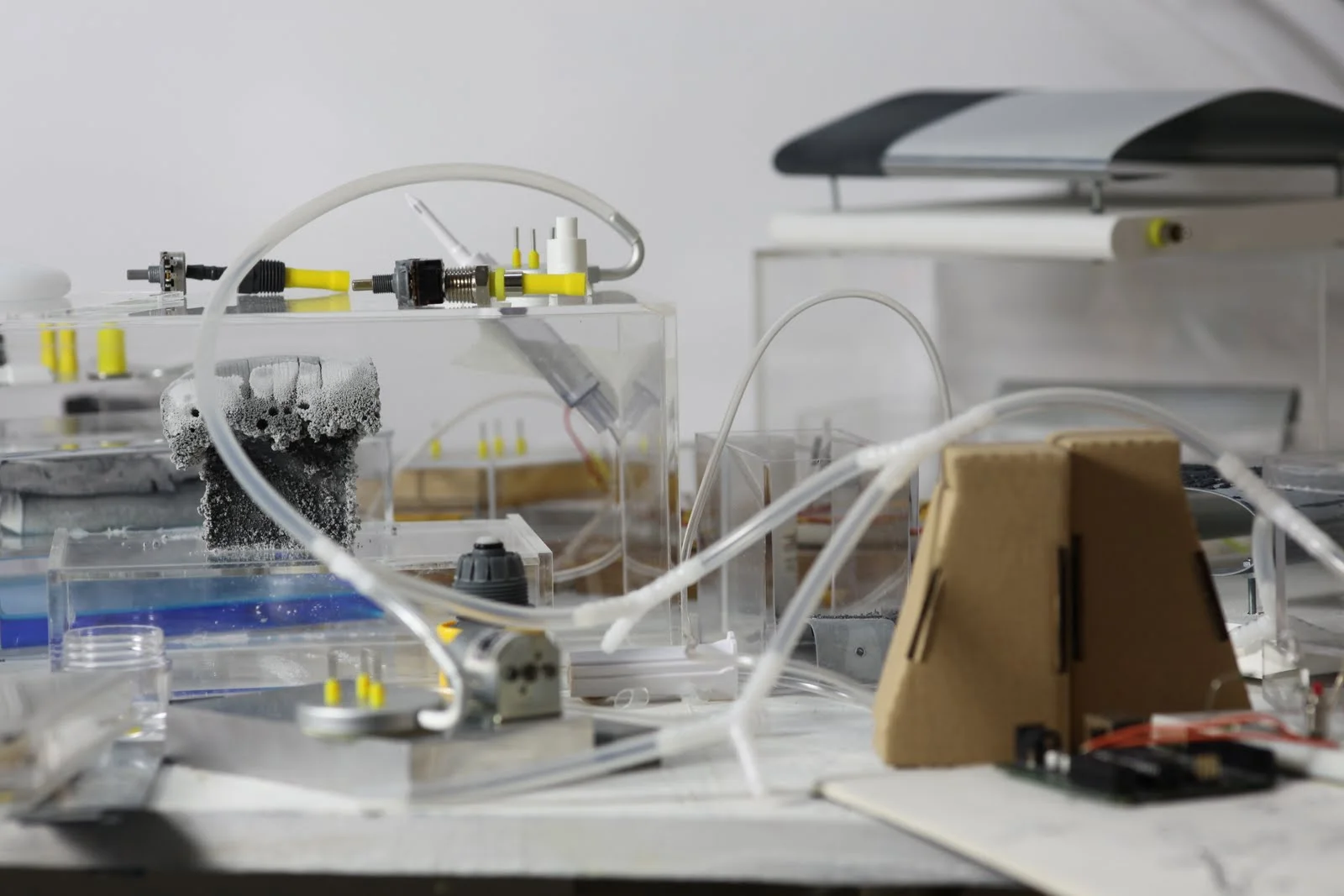
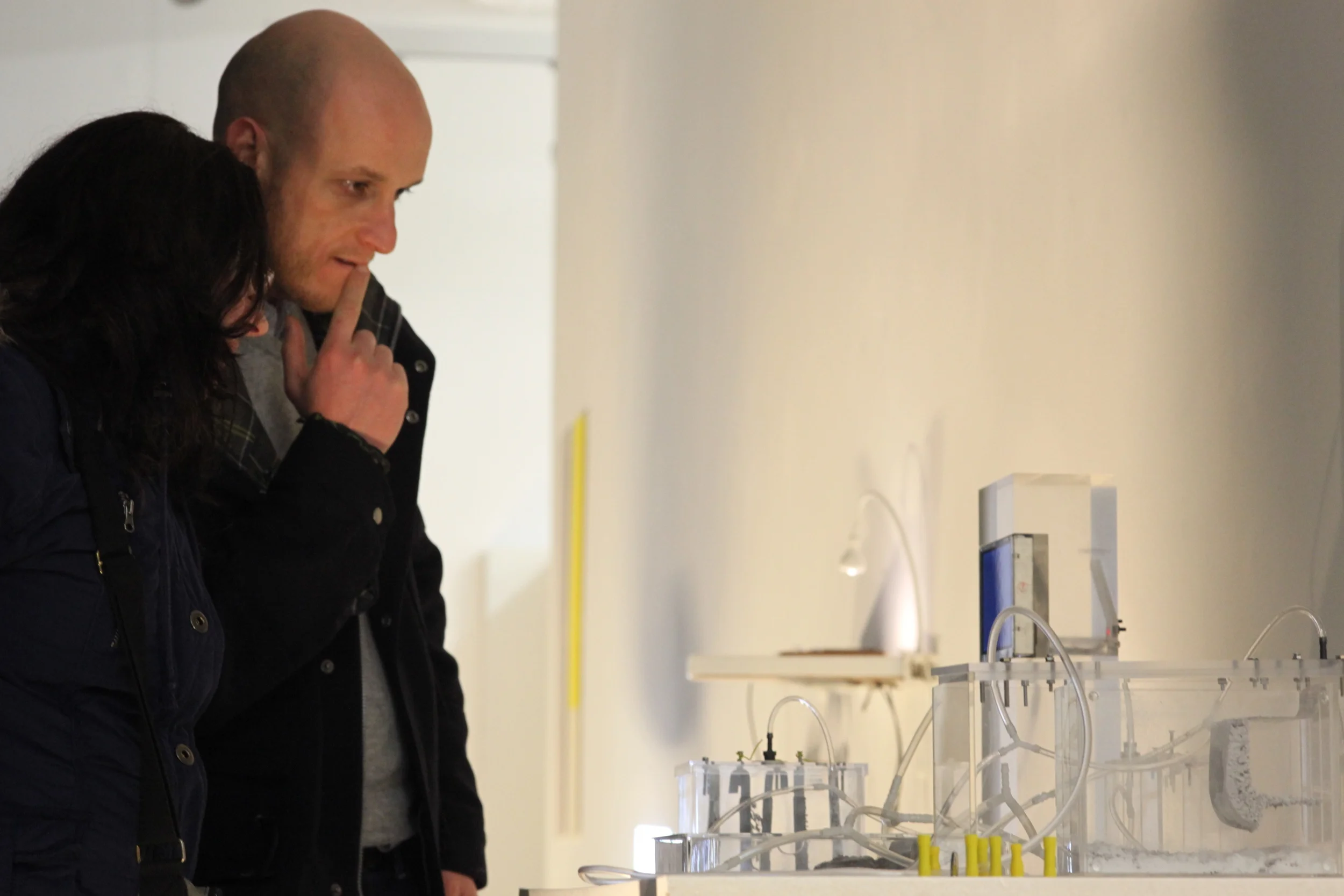
“We Share the Same Air along with other automated sculptural works, Cloud Chamber (868MHz Transmitter) and Floating Chamber (868MHz Transmitter) are creative adaptations of the closed chamber method used in the field by peat restoration experts. These works traces a lineage to early eighteenth-century glass-chamber experiments that first demonstrated how plants regenerate air through light. In We Share the Same Air and a series of floating chambers developed for performances at All Saints Bog, the chamber are reimagined not as a sealed scientific container but as a porous, light-permeable ecosystem. Echoing the Wardian case—once used to transport plants through colonial trade networks—these structures redirect enclosure toward reciprocity and care.
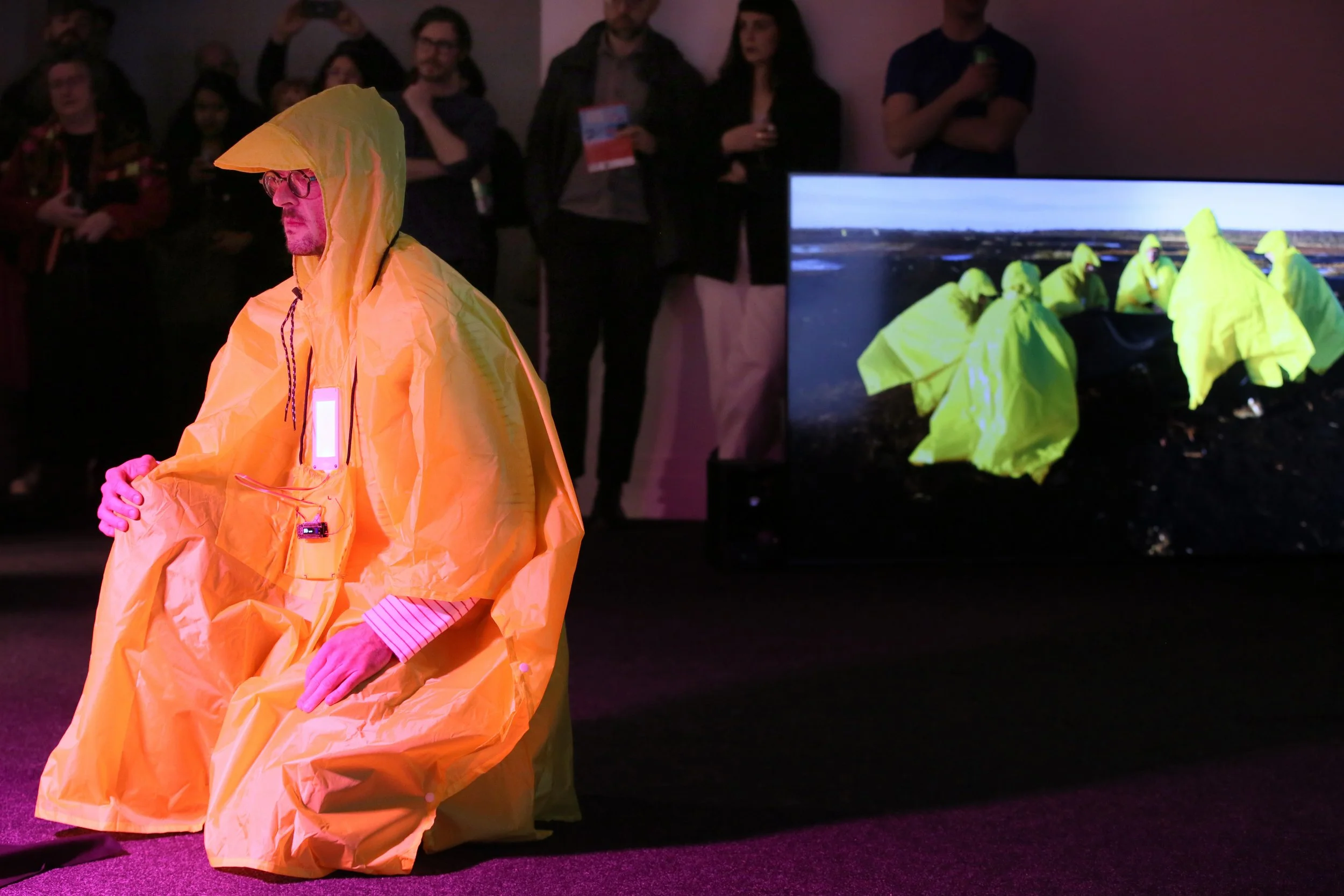
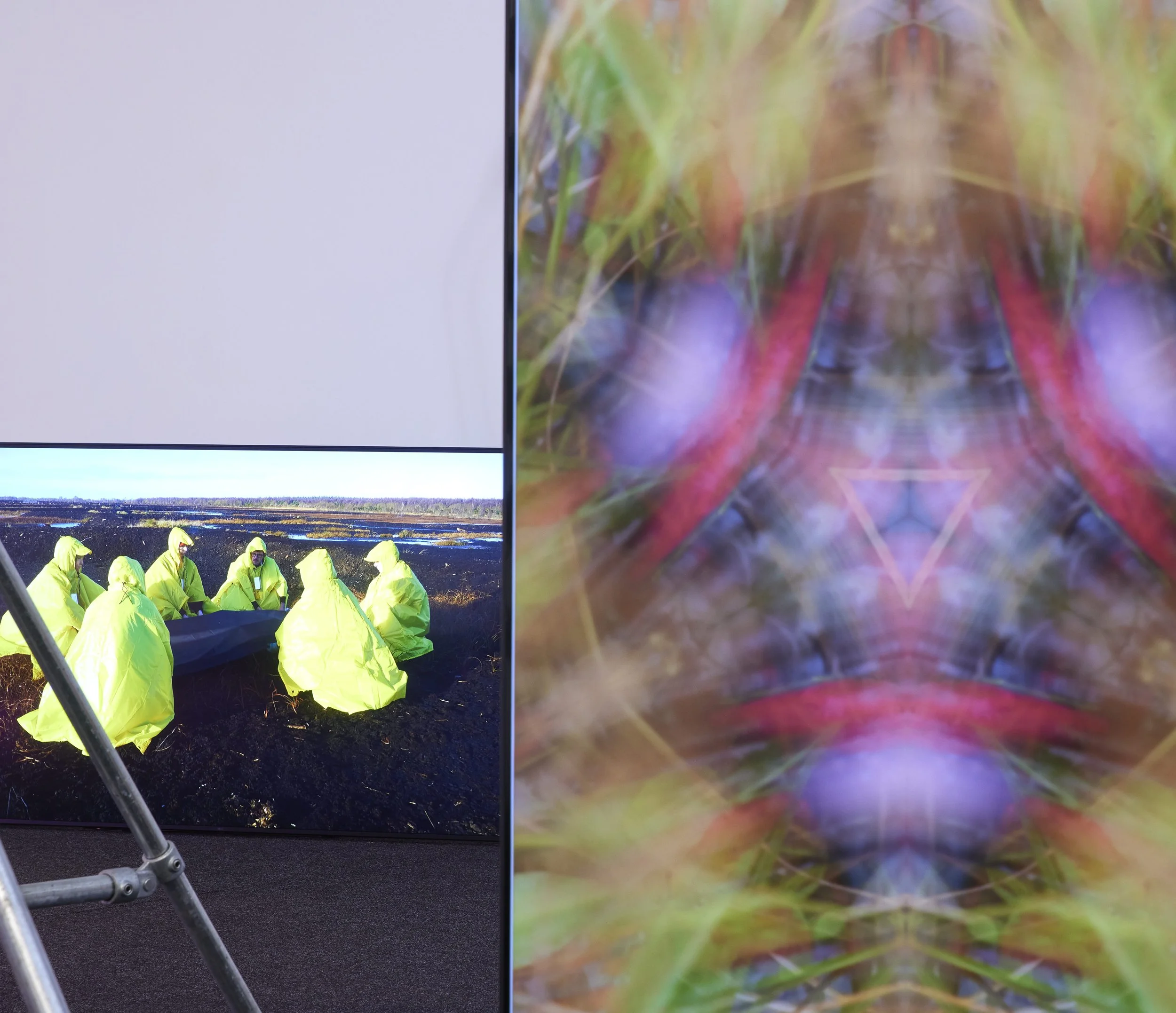
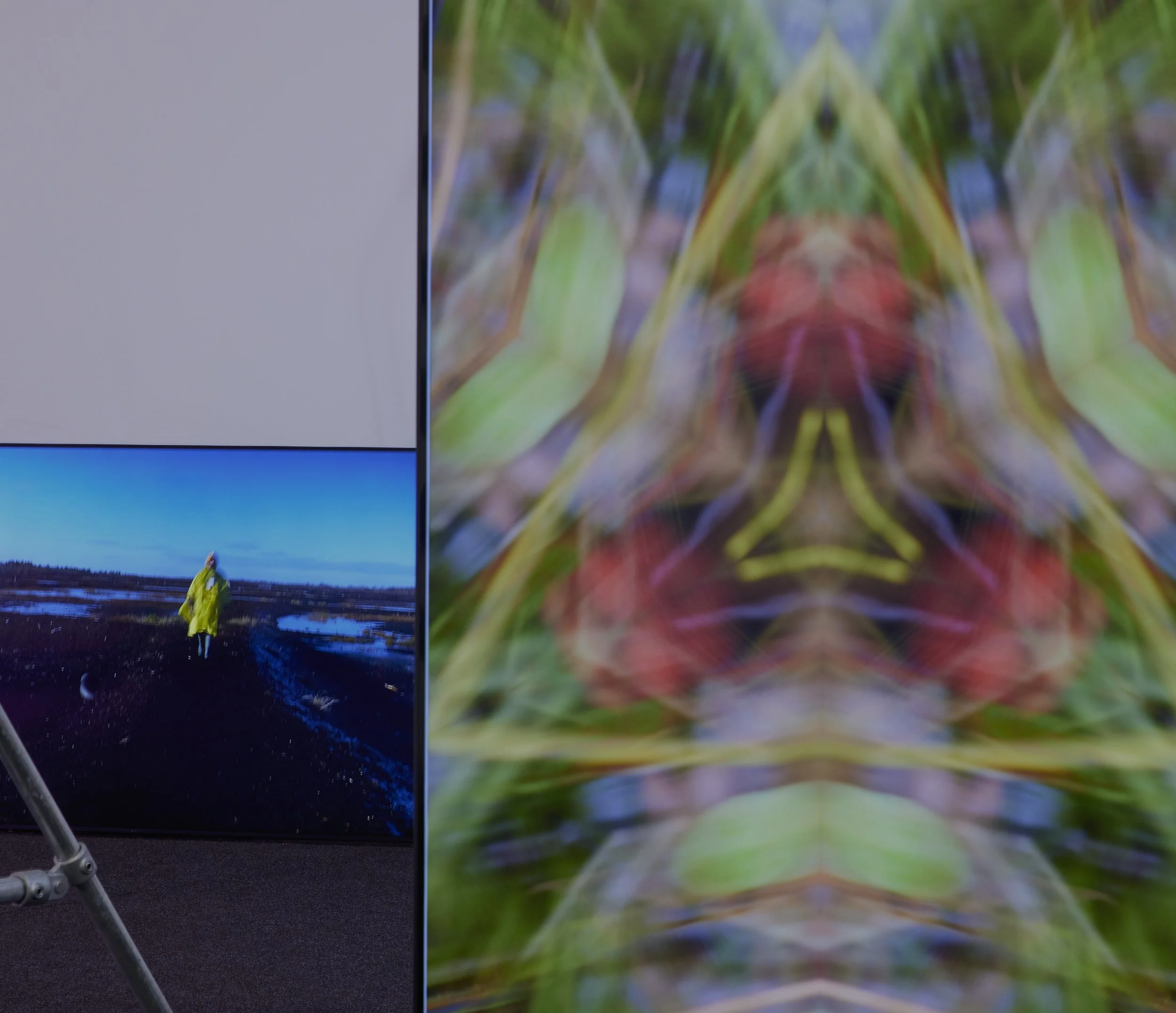
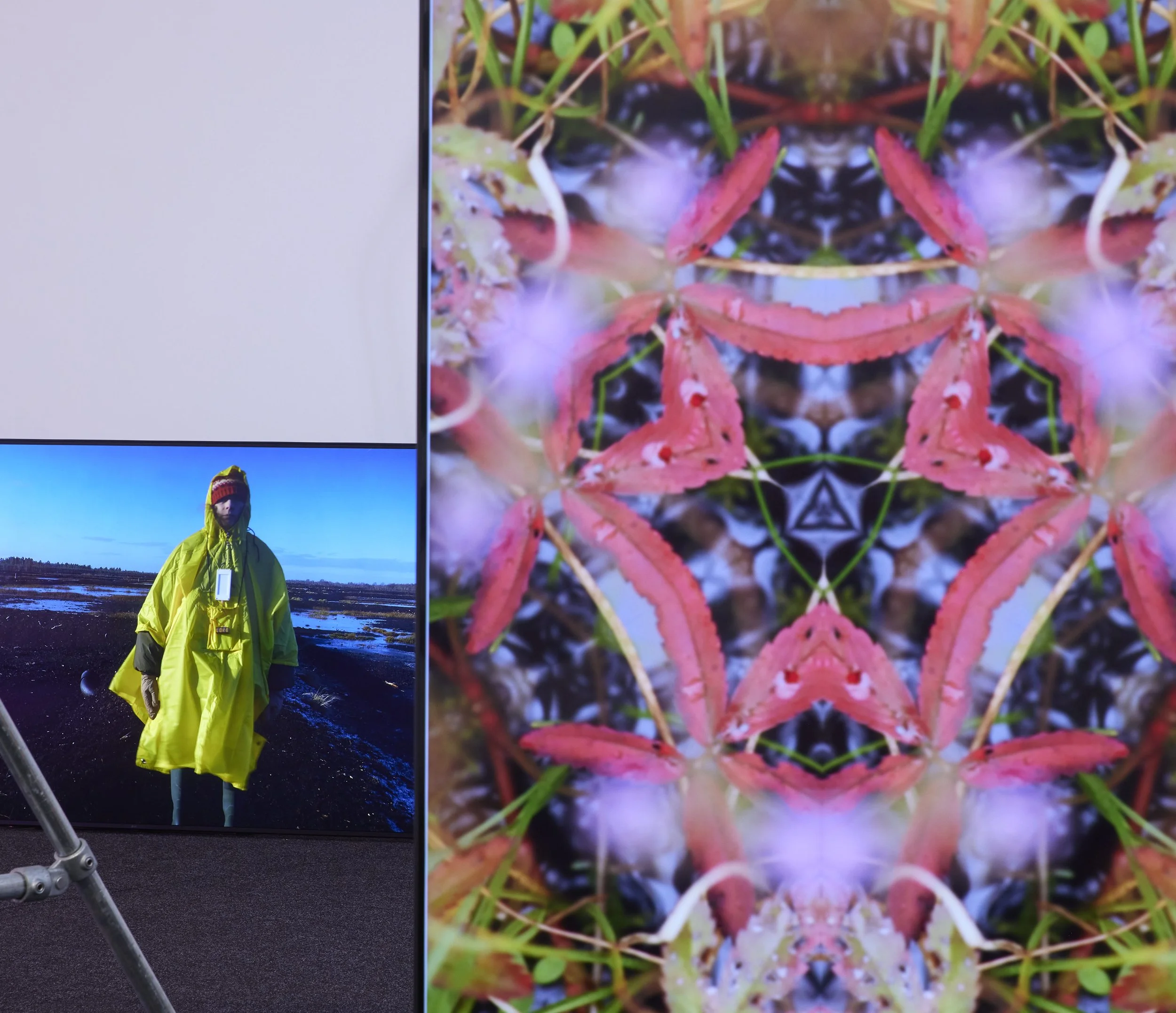
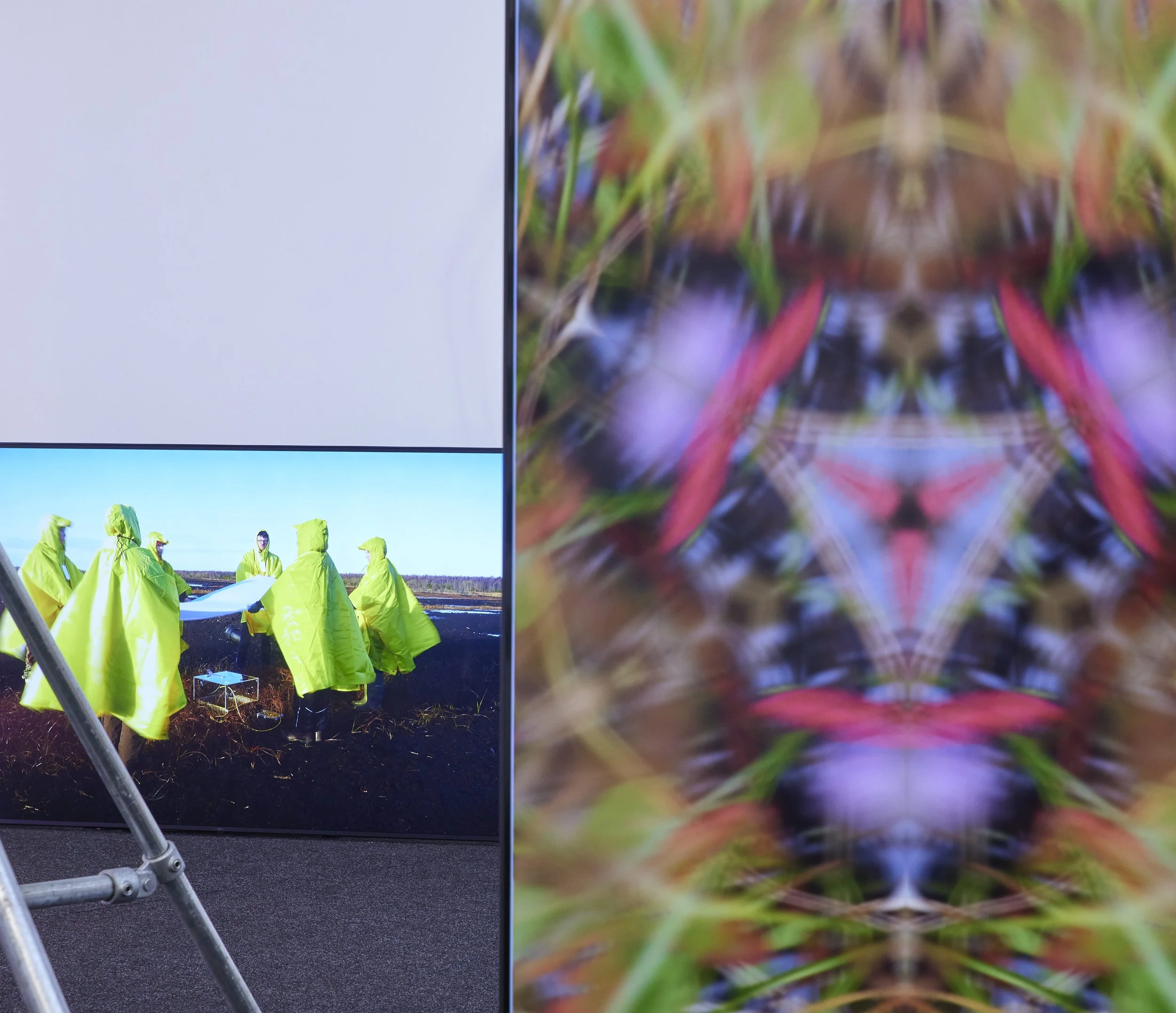
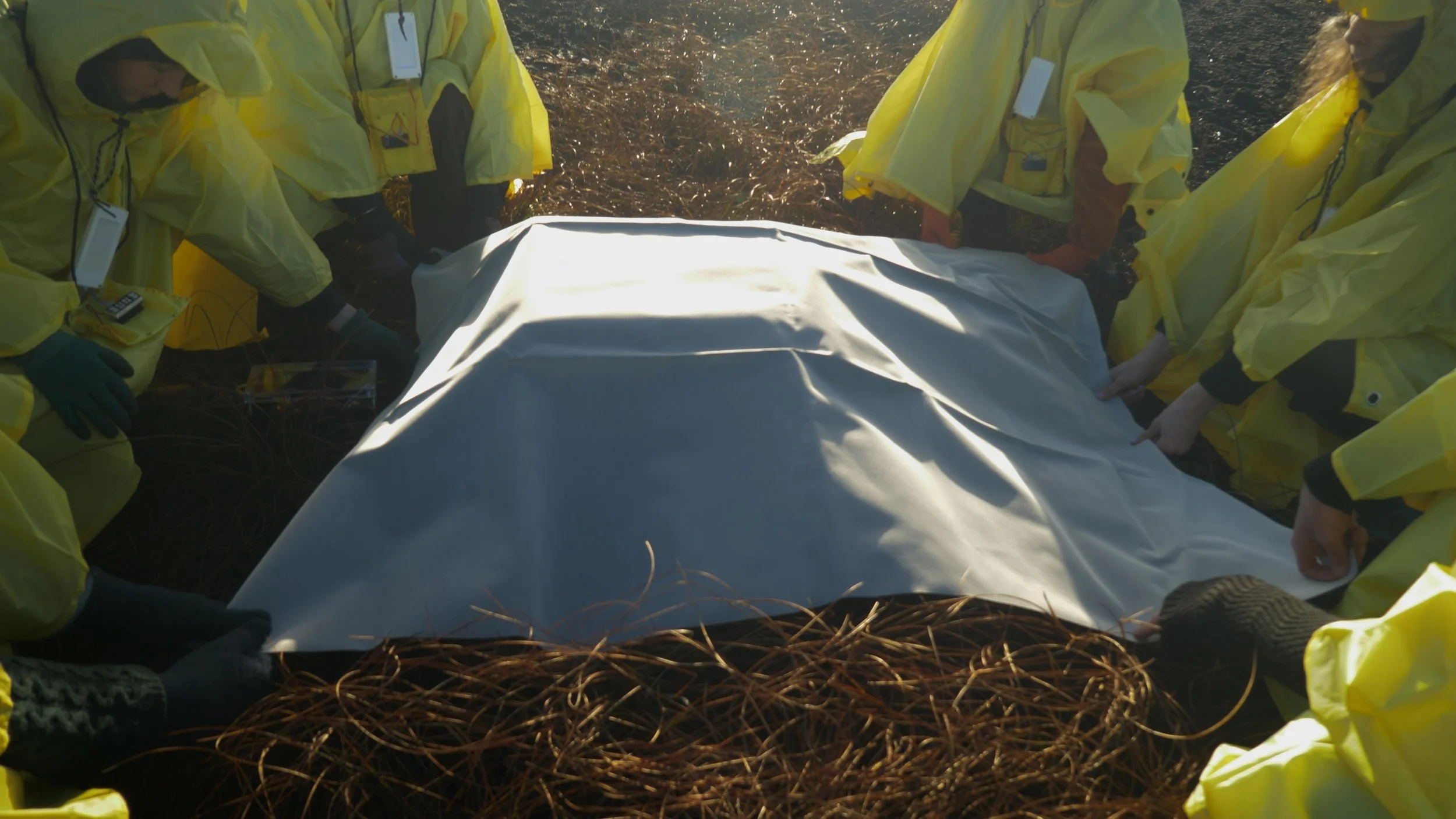
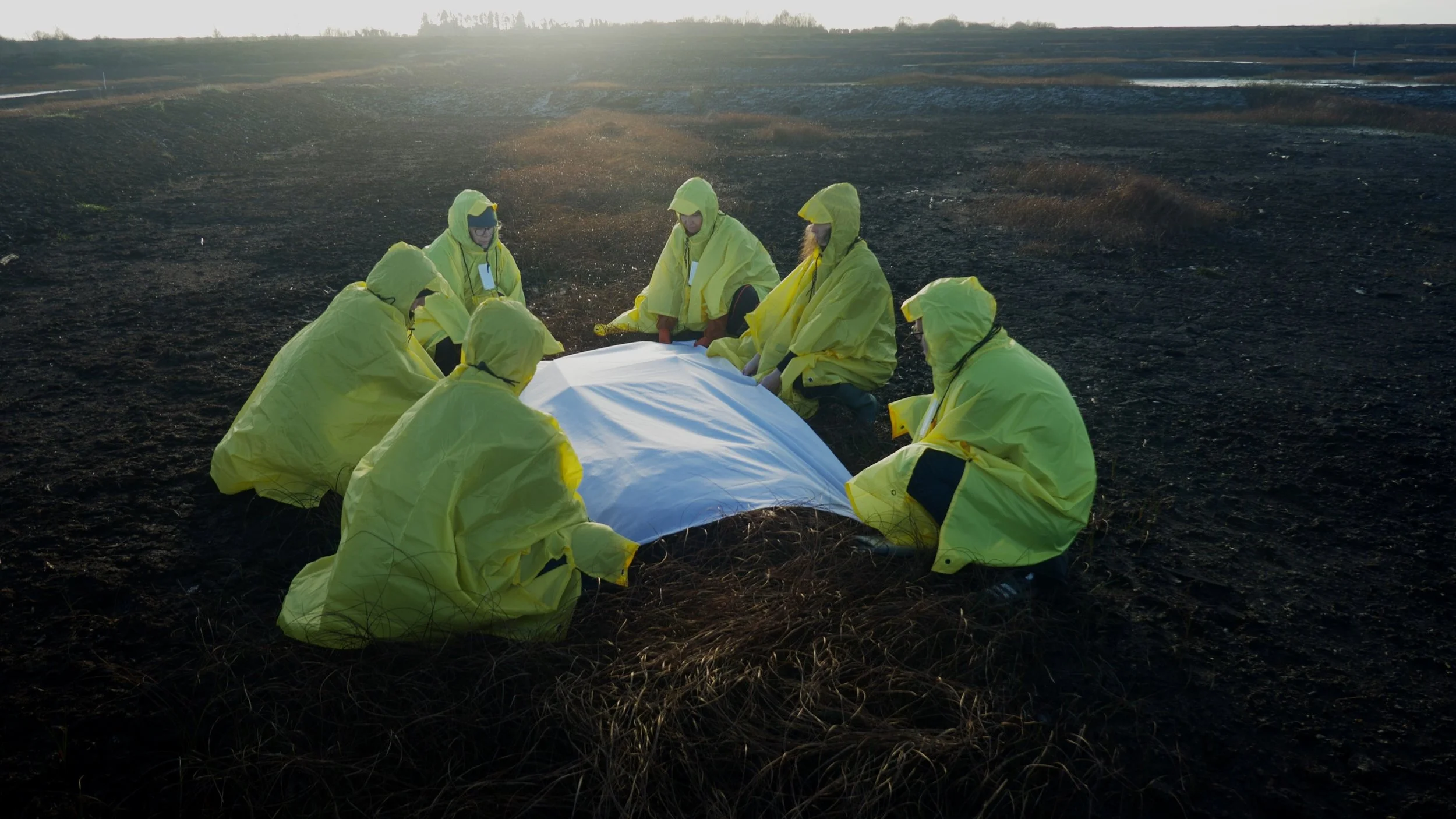
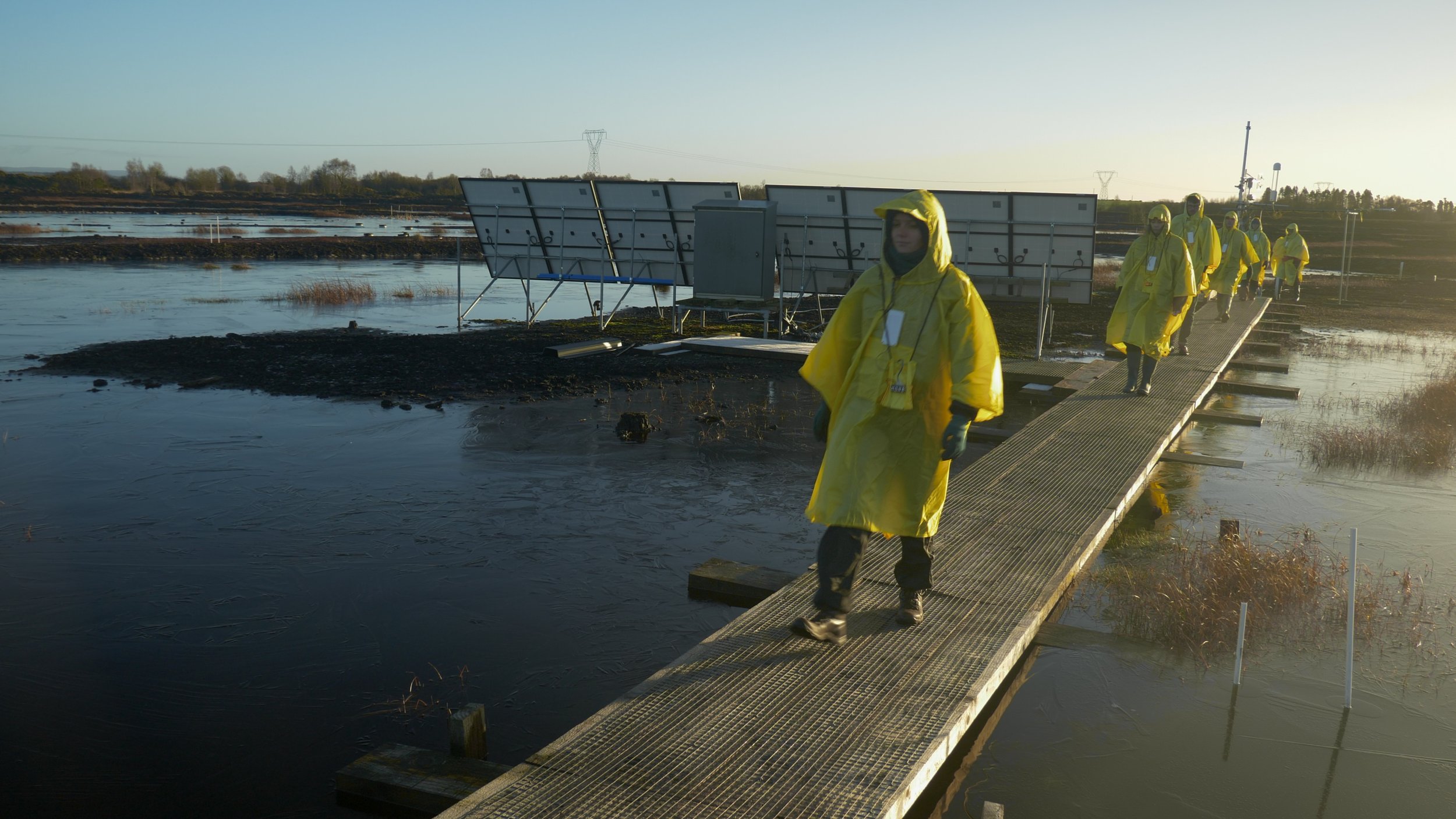
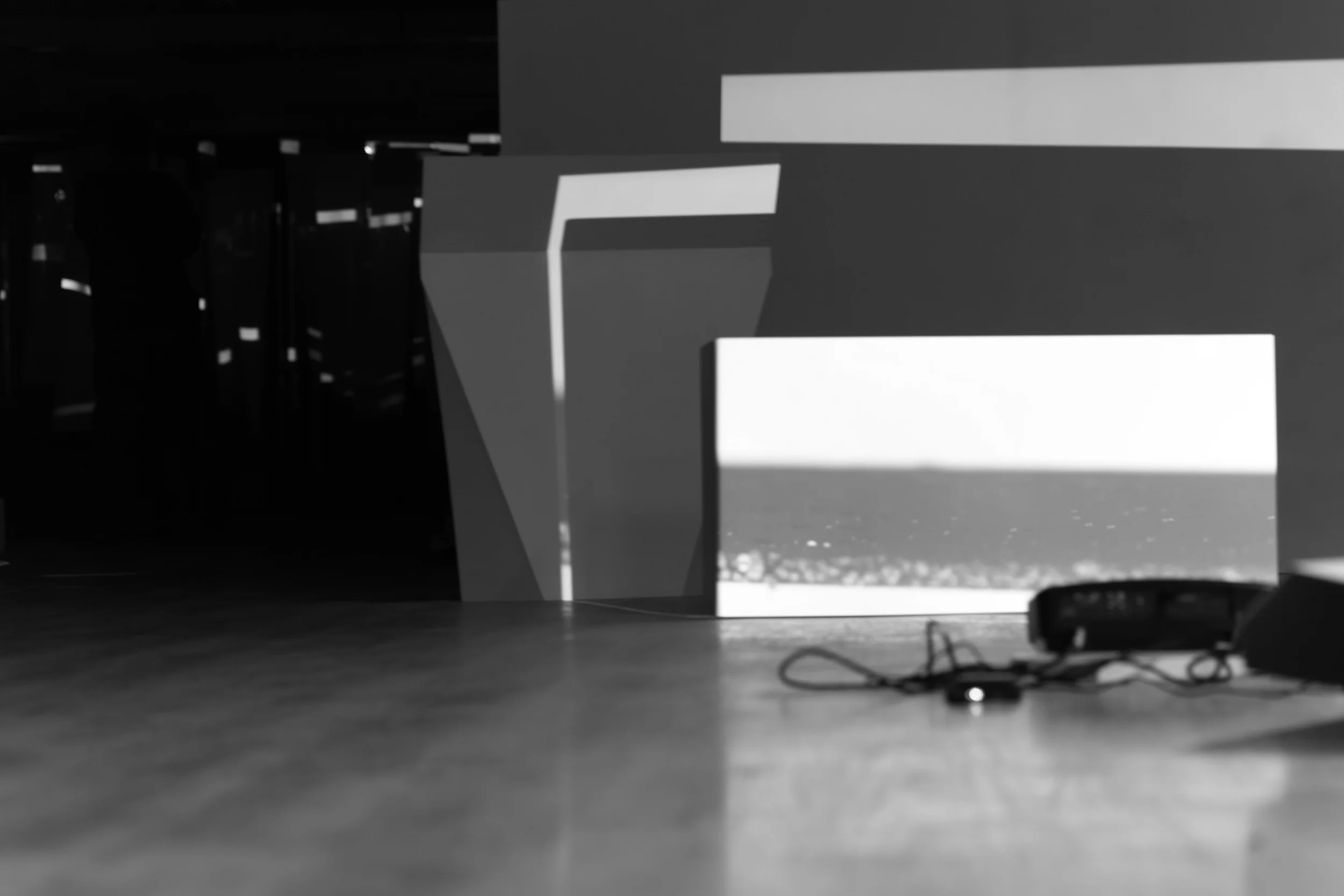
The film Bund Walkers / Cloud Chambers, set within the rewetted peatland of All Saints, Co. Offaly, anchors the exhibition in the landscape that generated it—where sensing, restoration,and embodied attention converge within the slow respiration of the bog.
As media scholar Radek Przedpelski writes in his essay : Fiona Mc Donald”s Bog Bodies: Peat-Oriented Ontologies, Moss Media and Gestures of Care
“Rather than staging a romantic return to nature before the ills of extraction through an essentialising metaphor of the bog, Mc Donald’s project stays with the trouble, to paraphrase Donna Haraway’s seminal 2016 eponymous publication.
Data infrastructures are decoupled from their capture by technoscientific capitalism and become a pliable material for art; a transformation of social, environmental and mental energies; a site of intimacy, community-building and democratisation of ancestral rituals.
At the same time, the artist strives for her contraptions and custom-designed software to be lightly infrastructured and ecologically sustainable, for example by using low-resolution datasets and minimising energy use. In development of whole sustainable systems of data sensing, storage, conversion and display, Mc Donald echoes digital eco-activist movements such as low-carbon research methods and small-file media. “
“Mc Donald’s take on data technologies embraces glitch, latency, calibration problems, computation error or malfunction. These are nothing but affects of their underlying infrastructures; symptoms diagnosing fault lines in today’s hegemonic techno-governmentality geared towards optimisation, speed and progress.
Gentle gestures of care invite us to slow down and resist the ideology of constant data driven progress”
Bog Bodies Essay by Radek Przedpelski 2026
I walk around the exhibition under warm light
passing through zones of mauve, mossy green and yellow
to unfold its worlds upon worlds stacked under one roof
I am unfolding a constellation
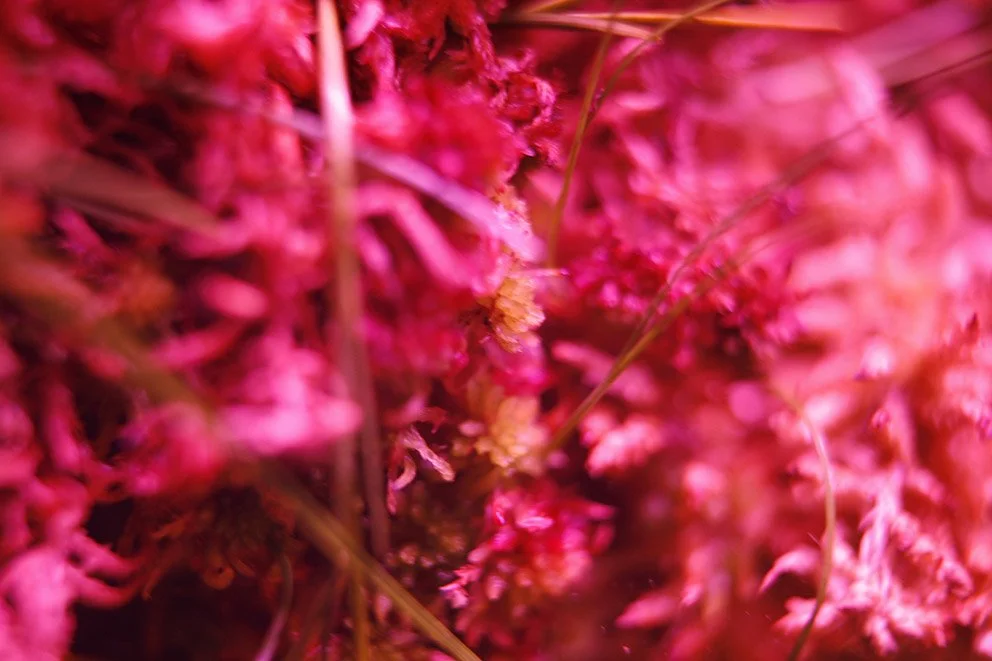
trembling in the air, a single blade of grass sitting on a hammock of Sphagnum
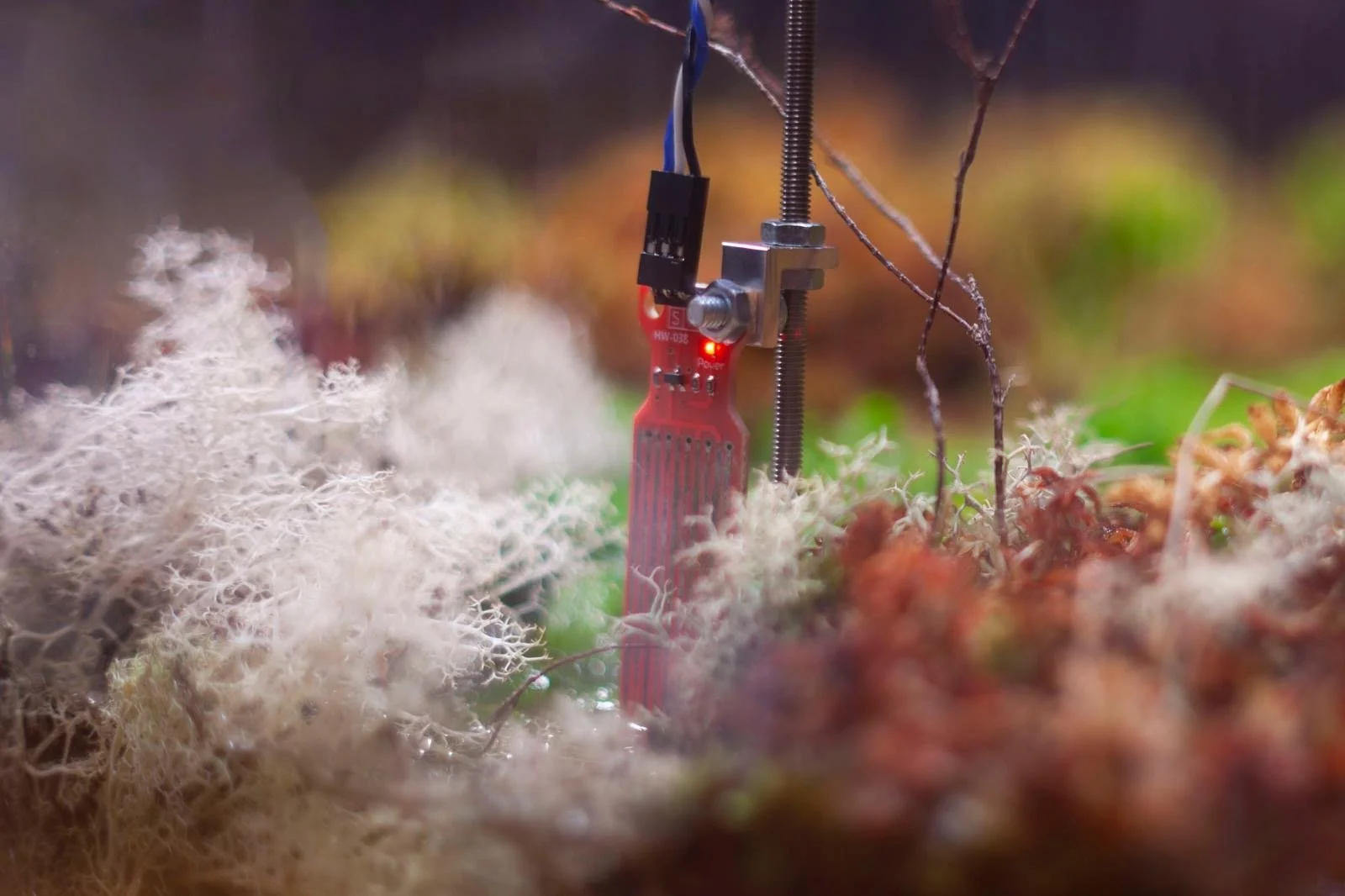
mosses encased in a Perspex chamber used for ecologists to measure CO2 emissions
from a restored cutaway bog
a Newgrange triskelion of round Perspex chambers housing three distinct bog
ecologies
one of degraded peat
one where Sphagnum mosses roam freely
one with rows of potted Sphagnum
a tri-spiral of the bare, wild and cultured
a robotic arm seals their lids one by one so that CO2 readings can be recorded
meticulously aligned like the inner chambers of the Stone Age tomb
welcoming the first rays of the sun on the Winter Solstice
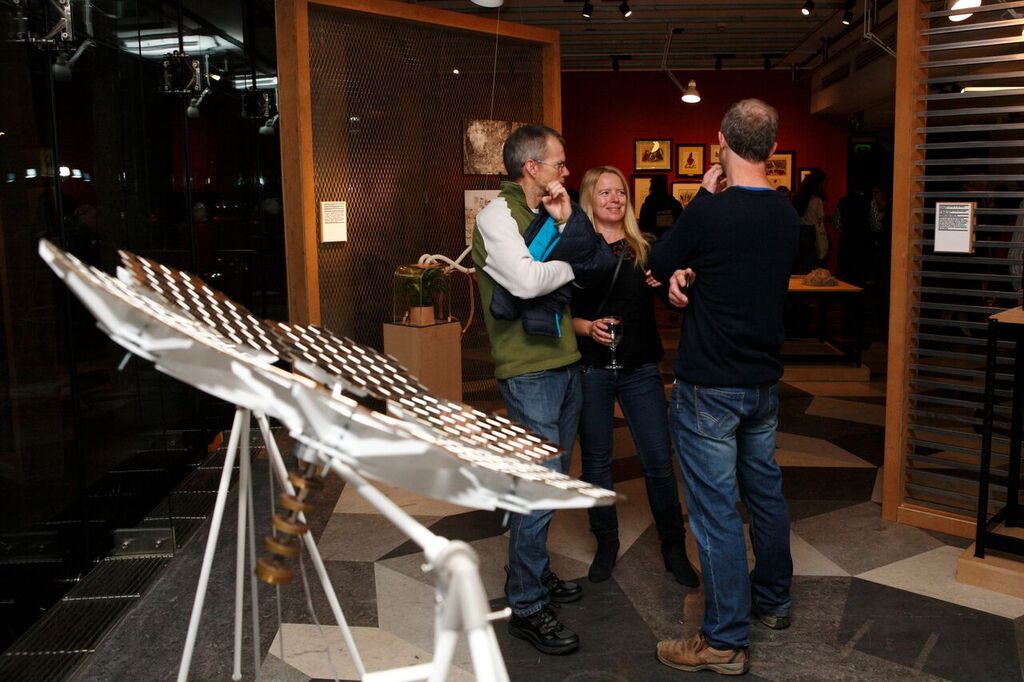
a field of sound and a colonnade of pixels signalling to us CO2 measurements from a
faraway flux tower presiding over a rewetted peatland in rural Éire
a life-sized model of the flux tower presides over the gallery space but records no data
I try to find my way in a cloud of readouts, screens, sensors, measurements
dreaming, emitting, converting, rerouting, manifesting
I slow down and synchronise my breath
I dive deeper into the many zones of intensities
I am a body in the bog
one of the bog’s bodies
at All Saints, Co. Offaly
Credits :
Artworks and film by Fiona Mc Donald
Technical support: Dr Gerard Boland, Dr Nicholas Ward, Marks Jaliseve.
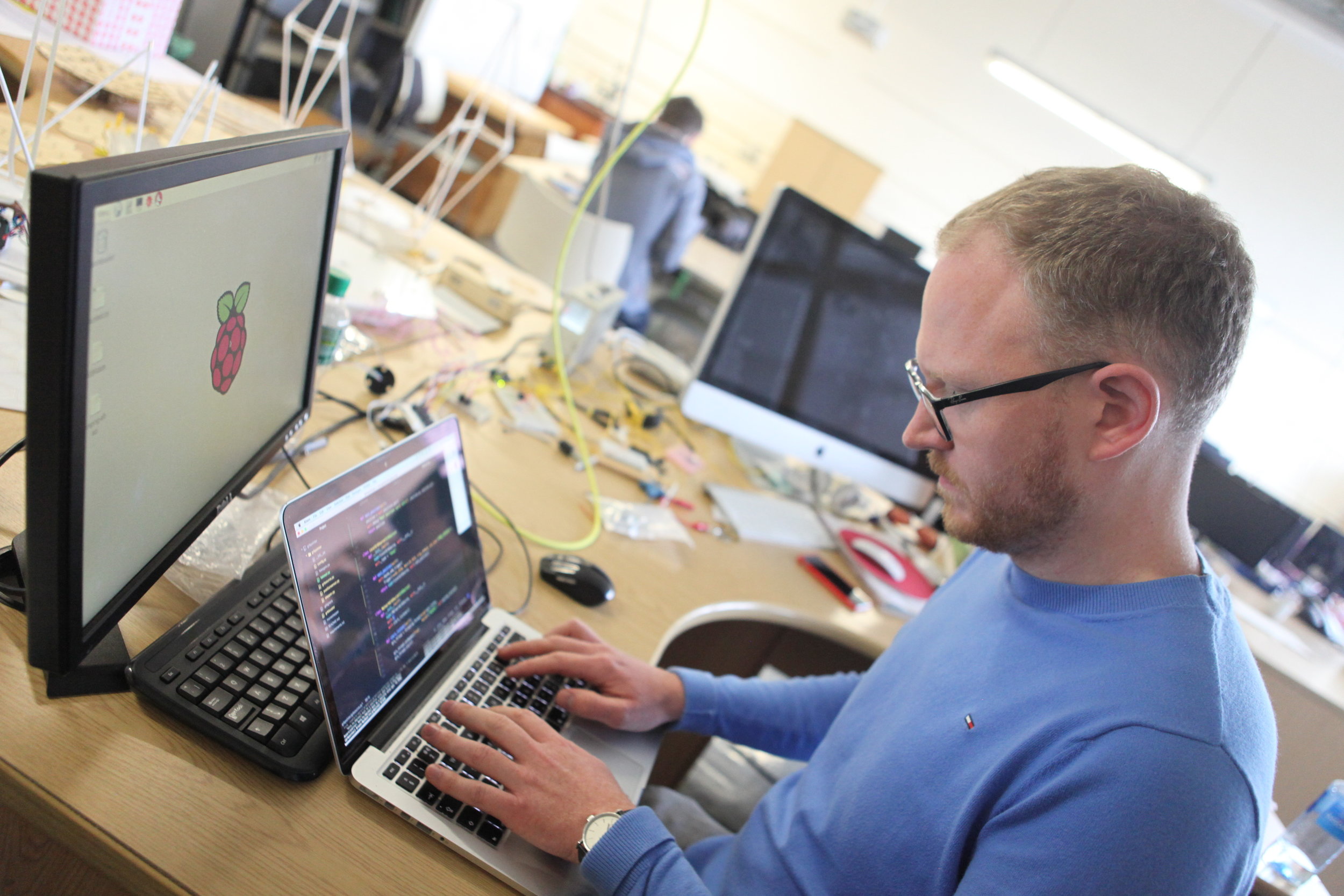
Original Hardware, software research and development: Fiona Mc Donald.
Technical support final production phase aspects of electronics and embedded software development by Dr Nicholas Ward UL.
Technical support 3D print: John Ryan, School of Civil Engineering UCD.
Technical support: JavaScript development & mentorship: Dr Gerry Boland.
Commissioned spatial sound: Jürgen Simpson
Project manager, graphic design: Sarah Mc Fadden
Film: Director, Producer, Co-script : Fiona Mc Donald
Cinematography & editor: Lynda Devenney
Commissioned co-script, poems, title contribution : writer Jessica Foley
Voice : Bryony Archer
Sound design: Abby Nagle Garne & Karima Dillon El-Toukhy
Performance: Stefan Hanly, Luke Casserly, Bryony Archer, Helen Flannagan, Fiona Crawley, Iseult Aiken
Funded by : TheArts Council of Ireland, Royal Hibernian Academy of Arts RHA Dublin,
With futher support from National Parks and Wildlife Service NPWS Ireland, Parity Studios UCD and SEED project DCU, Rosemount Research Station UCD, School of Civil Engineering UCD

![Inhale Exhale [1.1] (fluxing PPM) real-time custom JavaScript data-driven drawing and spatial sound composition responding to CO2 flux data from a restored cutaway bog at All Saints, Birr Co.Offaly recovering from decades of industrial peat extra](https://images.squarespace-cdn.com/content/v1/5647ad1be4b04fa71c767540/1775932396756-X7HT2T5ABQTRSBMXNGSJ/157.jpg)
![We Share the Same Air [1.1] wild sphagnum, cultured sphagnum, peat, ultraviolet grow lights, CO2 sensor, moisture sensor, water pump, fans, motors, acrylic tanks, aluminium, bog water, Raspberry Pi computer, Teensy, Arduino, power supply, monitor](https://images.squarespace-cdn.com/content/v1/5647ad1be4b04fa71c767540/1779027227773-PZDD9R4XF3CCT8KXHFAE/Fiona+McDonald+Shot+06-01.jpg)
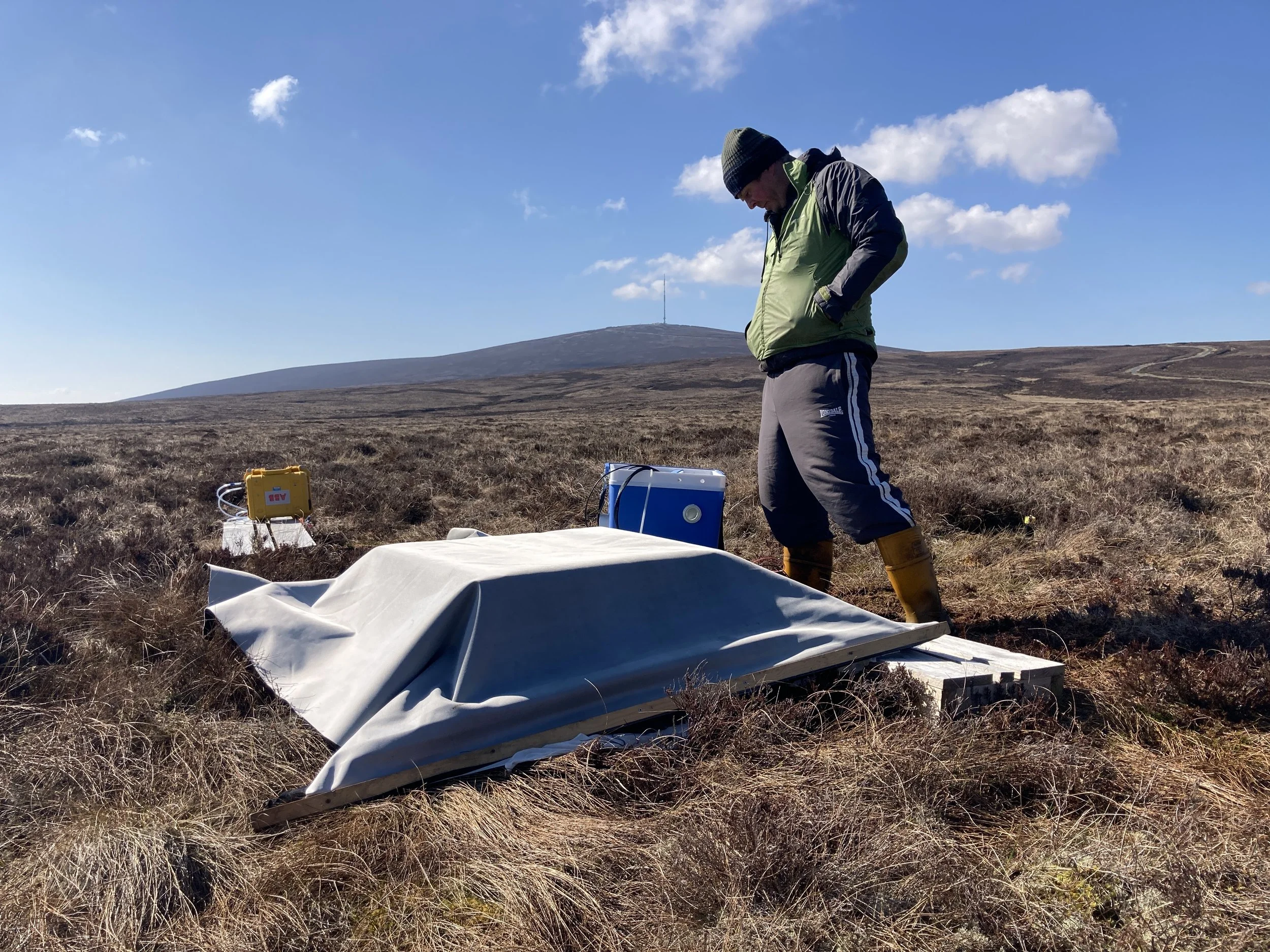









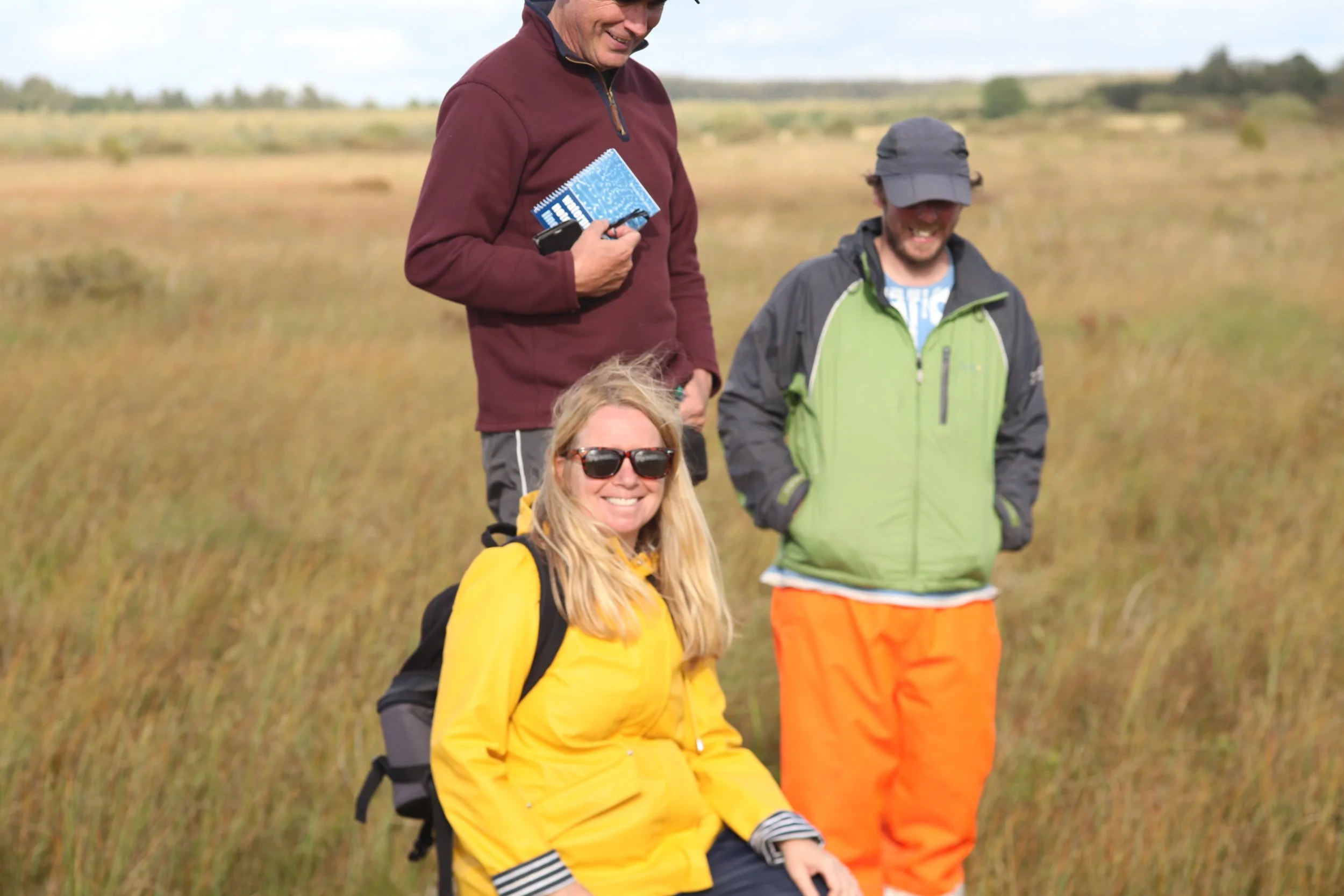
![Field research for We Share the Same Air [1.0] with Mark O Connor researching Green House Gas ground chamber technology 2023](https://images.squarespace-cdn.com/content/v1/5647ad1be4b04fa71c767540/1682190055399-9VLZUISSSW420ESEHEEI/CO2+groundflux+chamber+military+road+Wicklow.jpg)

![We Share the Same Air [1.0] Temple Bar Gallery and Studios 2023](https://images.squarespace-cdn.com/content/v1/5647ad1be4b04fa71c767540/1692036258818-RZZOJRNAGLXE8JMWA50O/IMG_3173.JPG)









![[In search of a blanket bog 7103]](https://images.squarespace-cdn.com/content/v1/5647ad1be4b04fa71c767540/1650979801664-MPINB14JU52YN73S4DLU/7.+Install+shot+of+Fiona+Mc+Donald%2C+%5BBlanket+bog+_+7130%5D+in+Woman+in+the+Machine.+Photo+credit+Aisling+McCoy.jpg)





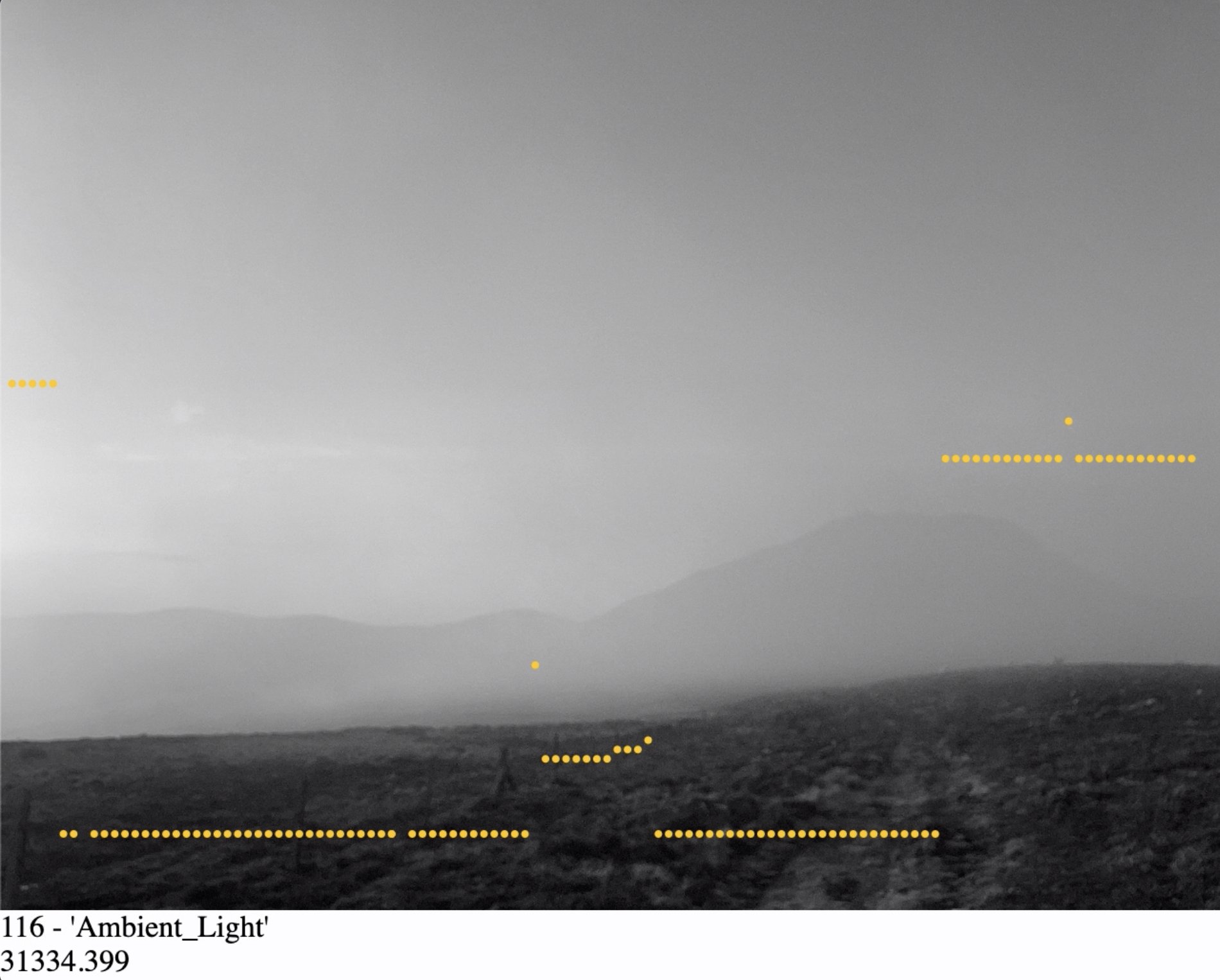
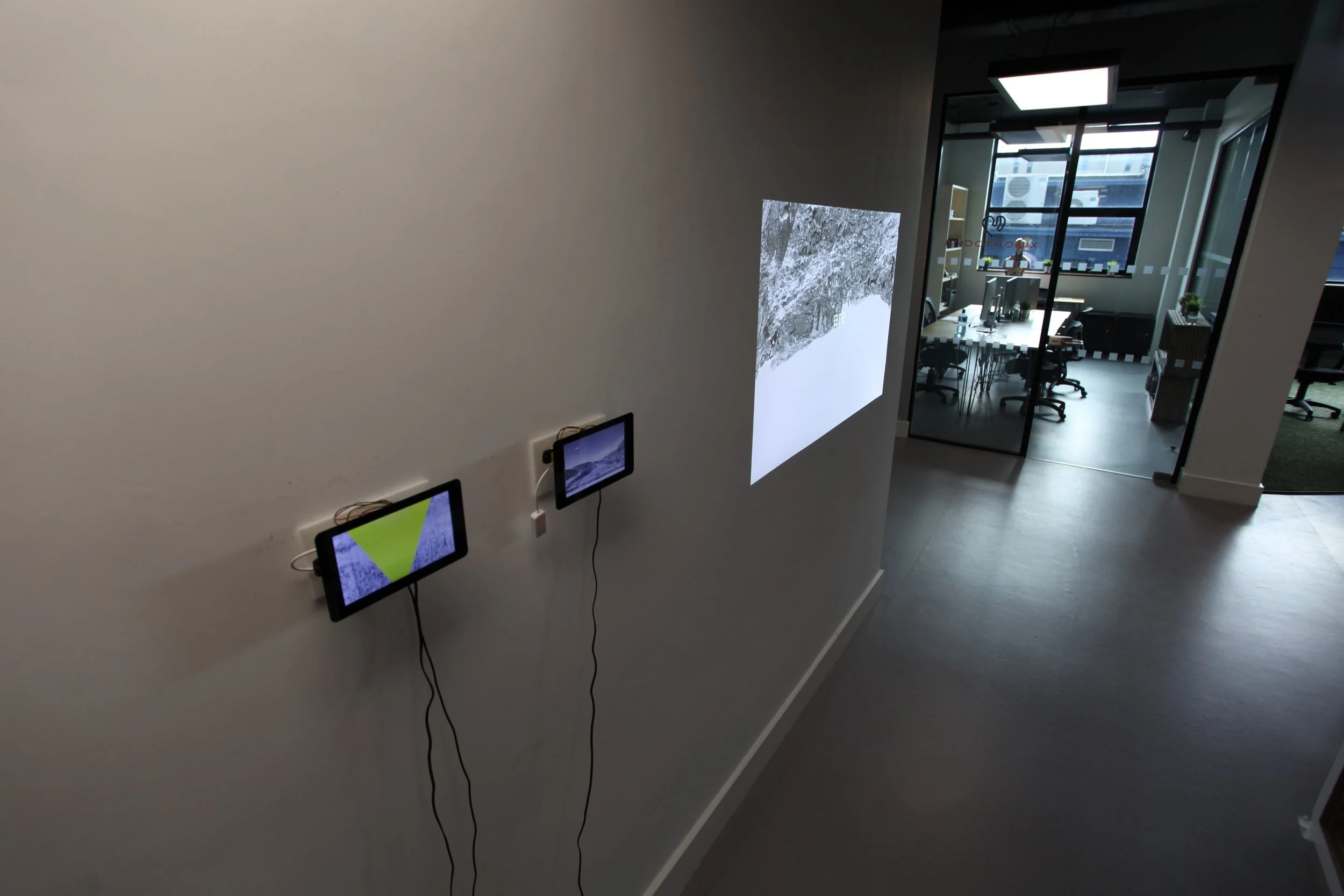
![[Fire mountain~ ambient light lux].png](https://images.squarespace-cdn.com/content/v1/5647ad1be4b04fa71c767540/1651615104891-95M4LO4SN9DJHFM8TXYD/%5BFire+mountain%7E+ambient+light+lux%5D.png)
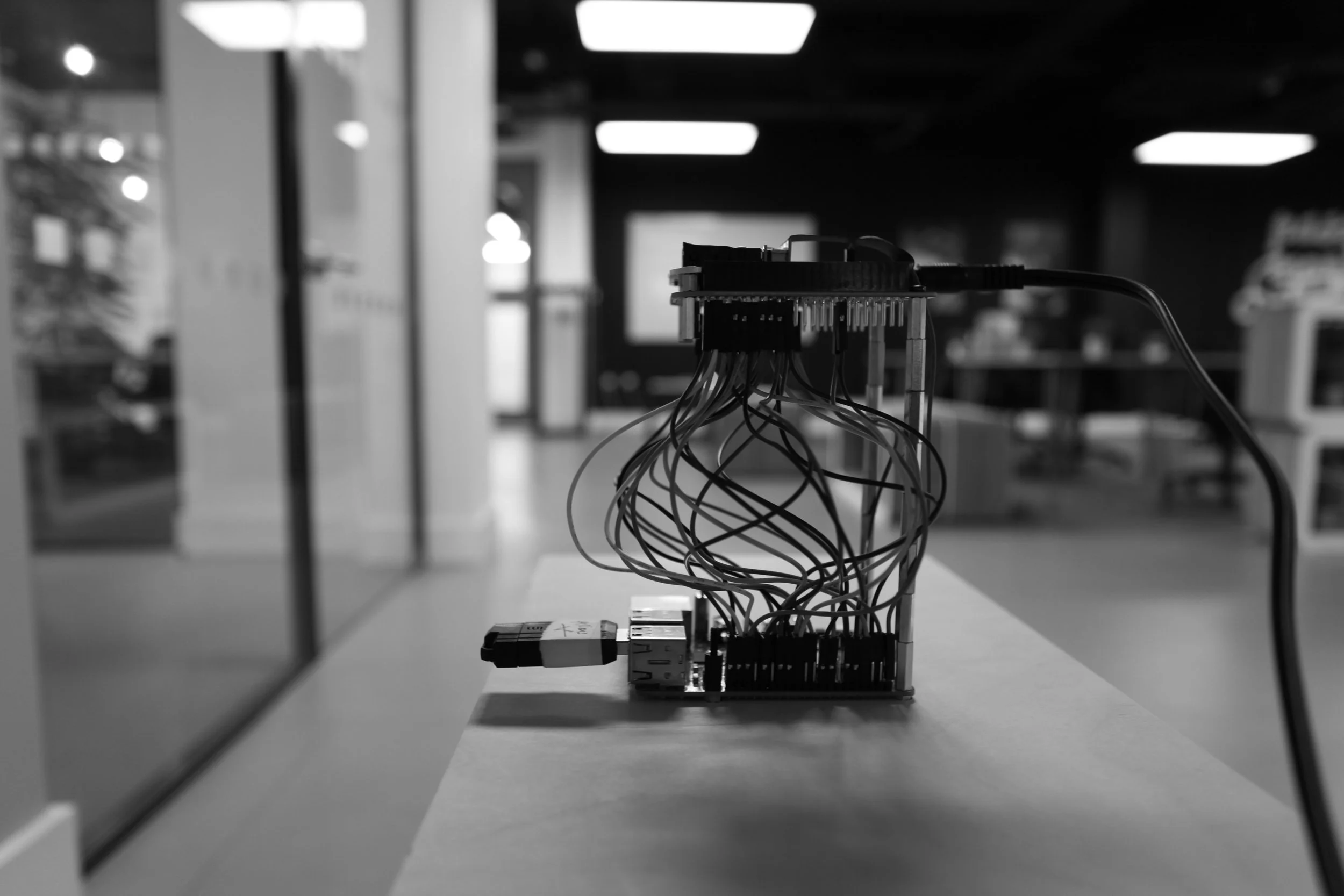


![[In search of a blanket bog 7103]](https://images.squarespace-cdn.com/content/v1/5647ad1be4b04fa71c767540/1651060020969-GP9SHJQDLEJ6SBZOKTFF/IMG_0032.JPG)

![[FFT(Fast Fourier Transform)]](https://images.squarespace-cdn.com/content/v1/5647ad1be4b04fa71c767540/1651614224145-6FAUX3S90HZYOD8URIPI/%5BFFT%28Fast+Fourier+Transform%29%5D+.png)


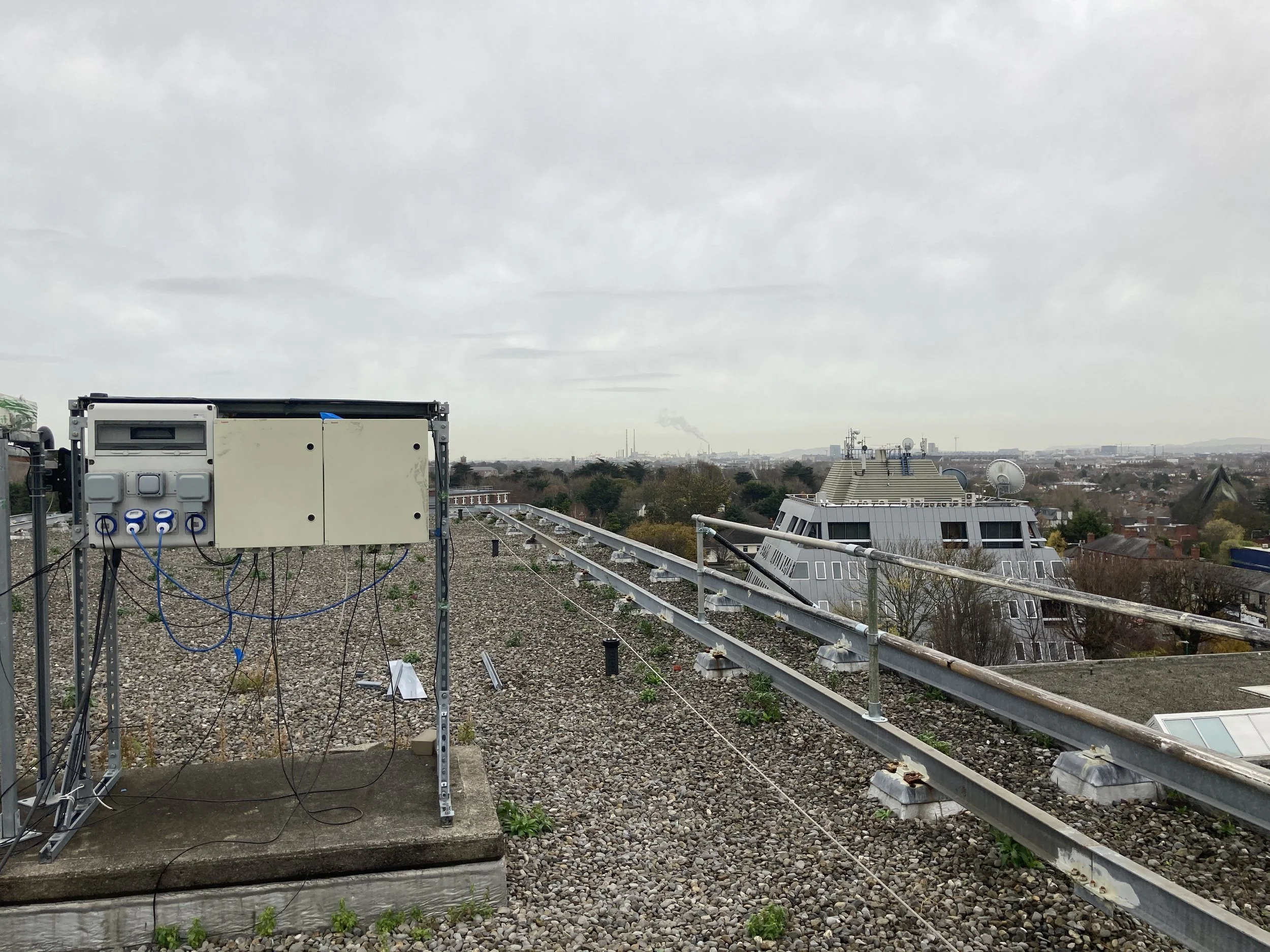


![[11111000]](https://images.squarespace-cdn.com/content/v1/5647ad1be4b04fa71c767540/1536522259755-0PN209QRLXQ84E5MT6H5/IMG_8597.JPG)


![[11111000] Custom designed electronic circuit](https://images.squarespace-cdn.com/content/v1/5647ad1be4b04fa71c767540/1536525279742-1EVK6A0BX4GMPWV4YNPY/SA1_7314.jpg)

























![[ Data ]](https://images.squarespace-cdn.com/content/v1/5647ad1be4b04fa71c767540/1448209607701-V3A3EJZ4IZ885YLSEGPH/L-IMG_8830.jpg)
![[Signal (iii)], [Data] ,[5 volts- yellow]](https://images.squarespace-cdn.com/content/v1/5647ad1be4b04fa71c767540/1448207920921-NHFGWOB9EP0UUF51FZVW/IMG_8734.JPG)
![[ Litmus ]](https://images.squarespace-cdn.com/content/v1/5647ad1be4b04fa71c767540/1448208876217-RWAKRXWYTPIXNIP94IQ1/6.%5BLitmus+%5D.JPG)
![[Data (iv)]](https://images.squarespace-cdn.com/content/v1/5647ad1be4b04fa71c767540/1448209031532-R7ISOUNRA7TWR4HIG85B/IMG_4066.jpeg)

![[ Field - yellow ]](https://images.squarespace-cdn.com/content/v1/5647ad1be4b04fa71c767540/1448209176597-A57WPZYE9H5CJJWPEE4B/IMG_8792.jpg)

![[Field-Orange] 33cm x 33cm](https://images.squarespace-cdn.com/content/v1/5647ad1be4b04fa71c767540/1449588394534-XUPI5I8LLEBAD61YFWVQ/%5BField-Orange%5D8.jpg)
![5.[ Data (ii) ].JPG](https://images.squarespace-cdn.com/content/v1/5647ad1be4b04fa71c767540/1448209365261-4AO8JNJ2IIYSG6WCE9O0/5.%5B+Data+%28ii%29+%5D.JPG)

![[ Electric Field (ii) ]](https://images.squarespace-cdn.com/content/v1/5647ad1be4b04fa71c767540/1448208408993-E9XGSL3843IGYZMLYY2M/L-IMG_8853.jpg)
![[Electric Field (i)]](https://images.squarespace-cdn.com/content/v1/5647ad1be4b04fa71c767540/1448369951813-TRVIW3QEJPKR34IAXSNH/OJ7E1827.jpg)
![[Field-Orange] 33x33cm detail .jpg](https://images.squarespace-cdn.com/content/v1/5647ad1be4b04fa71c767540/1449753406625-1JD3CYGVFO4TKG9Y7SUT/%5BField-Orange%5D+33x33cm+detail+.jpg)

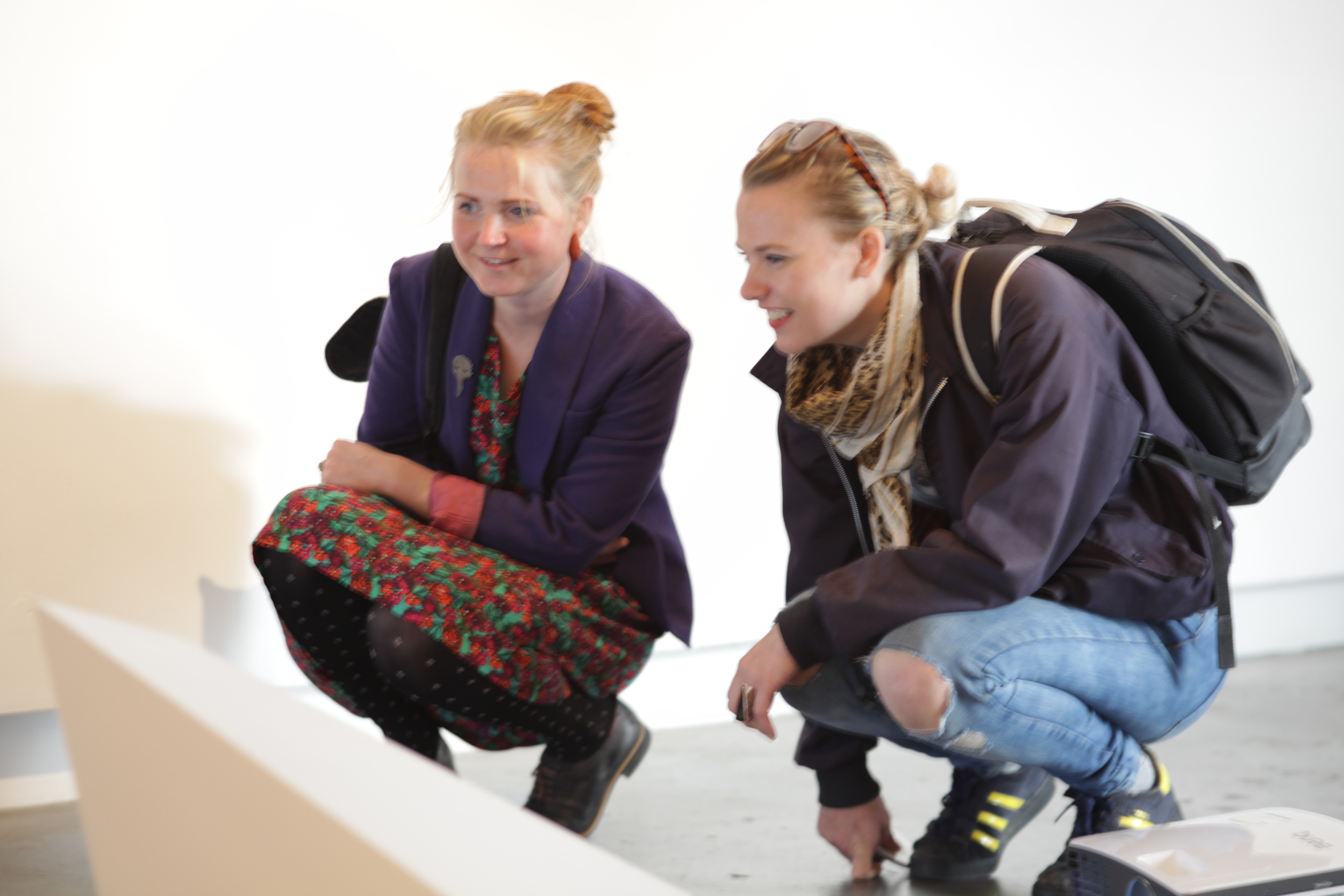
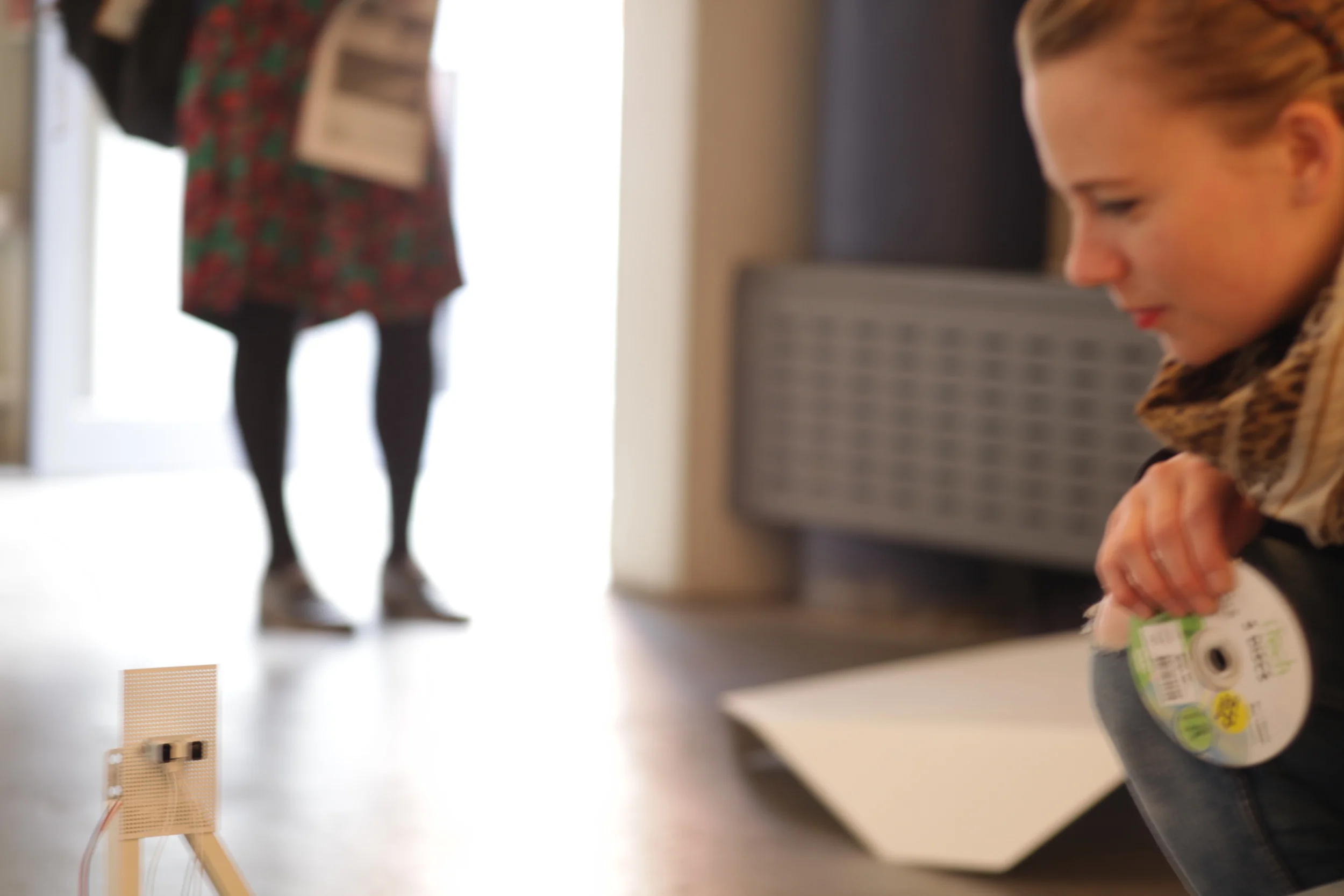
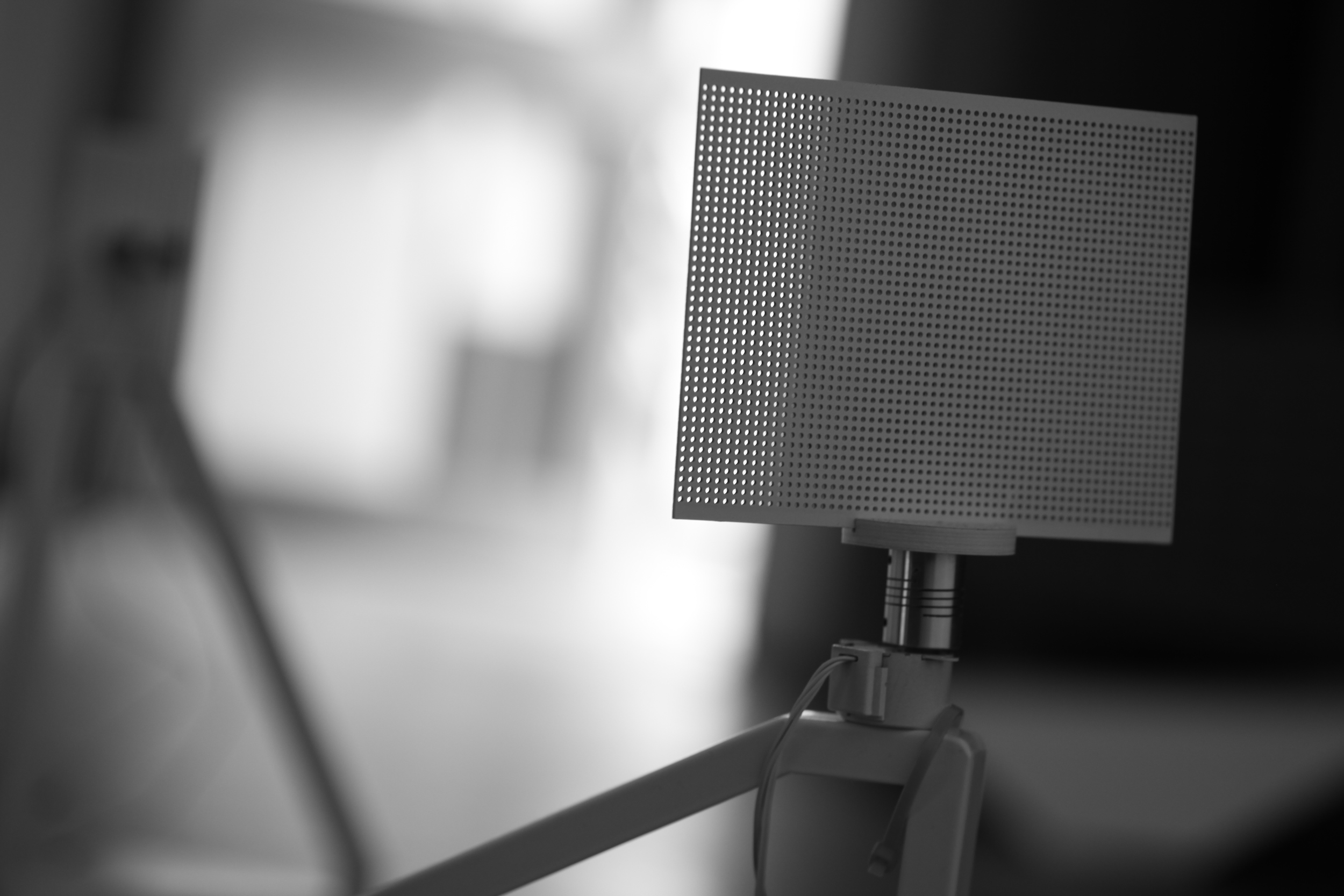

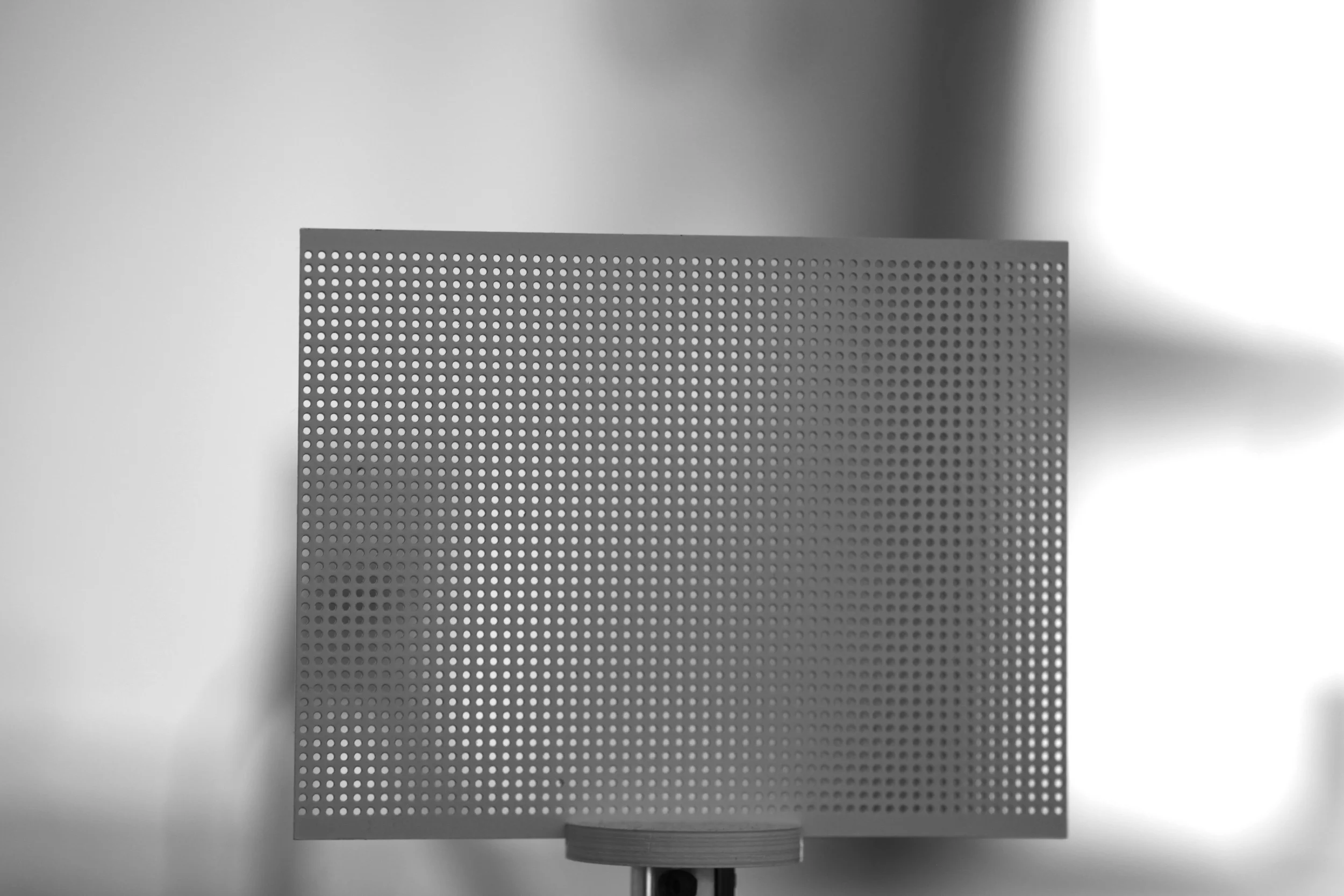








![[e++]work in progress.jpg](https://images.squarespace-cdn.com/content/v1/5647ad1be4b04fa71c767540/1448552175705-F294KUXM40D45D349IVP/%5Be%2B%2B%5Dwork+in+progress.jpg)


![1.testing [e++].JPG](https://images.squarespace-cdn.com/content/v1/5647ad1be4b04fa71c767540/1448550671605-OUNAZHGV5O9ATZ1FPYWP/1.testing+%5Be%2B%2B%5D.JPG)
![We Share the Same Air [1.1] 2024 Medium : Wild sphagnum, cultured sphagnum, aerobic peat, microbes, grow lights, CO2 sensor, moisture sensor, water pump, fans, motors, acrylic tanks, aluminium, rain w](https://images.squarespace-cdn.com/content/v1/5647ad1be4b04fa71c767540/1743759620813-QAA6IR798ZJIW8W7D890/IMG_3667.JPG)
![Title : [In search of a blanket bog 7103]](https://images.squarespace-cdn.com/content/v1/5647ad1be4b04fa71c767540/1650985401253-YGMF7L4E0PVXJMDBQL0U/1.Screenshot+2022-03-05+at+16.56.55.png)



![[5 volts-yellow]](https://images.squarespace-cdn.com/content/v1/5647ad1be4b04fa71c767540/1447611199126-C67S1QUKA4EJU7BF59LM/IMG_8911.jpg)


![[e++] Studio shots.jpg](https://images.squarespace-cdn.com/content/v1/5647ad1be4b04fa71c767540/1448192481723-WWBM0ZX9ADZFBFDCVS6K/%5Be%2B%2B%5D+Studio+shots.jpg)
![6 (a). electronics [e++].JPG](https://images.squarespace-cdn.com/content/v1/5647ad1be4b04fa71c767540/1448494277434-ZKXY51TU8MPJ6SRL8IJO/6+%28a%29.+electronics+%5Be%2B%2B%5D.JPG)